Sodium Silicate Forms

Sodium Silicate Forms

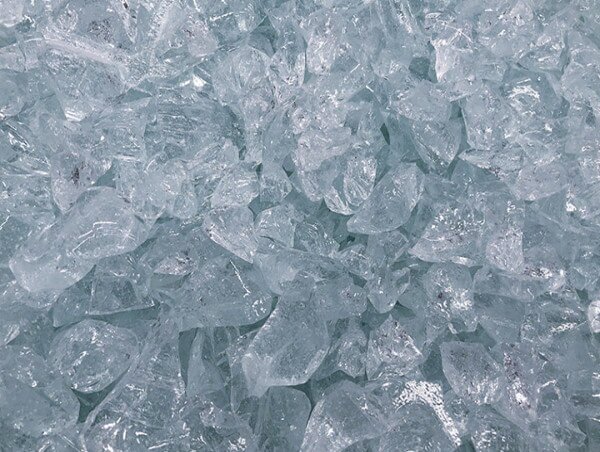
Sodium silicate is a chemical compound with the formula Na2SiO3 or (Na2O)x(SiO2)y, where x and y represent the molar ratios of sodium oxide (Na2O) to silicon dioxide (SiO2). It is commonly known as water glass or liquid glass due to its glassy appearance when dissolved in water.There are various forms of sodium silicate, but the most common and commercially available types are:1. Solid Sodium Silicate: This form appears as glassy, colorless or white beads or granules. Solid sodium silicate is often used in various industrial applications, such as detergents, soaps, cement, ceramics, and water treatment.2. Liquid Sodium Silicate: This form is a clear, thick, and viscous liquid that consists of sodium silicate dissolved in water. Liquid sodium silicate has numerous uses, including adhesives, binders, coatings, and as an ingredient in some cleaning products.The ratio of Na2O to SiO2 in sodium silicate can vary depending on the intended application and manufacturing process. Different ratios result in various properties such as viscosity, pH, and heat resistance, making sodium silicate a versatile compound with a wide range of uses in industries and various applications.
What Is The Relationship between Sodium Metasilicate And Silica Gel?

What Is The Relationship between Sodium Metasilicate And Silica Gel?

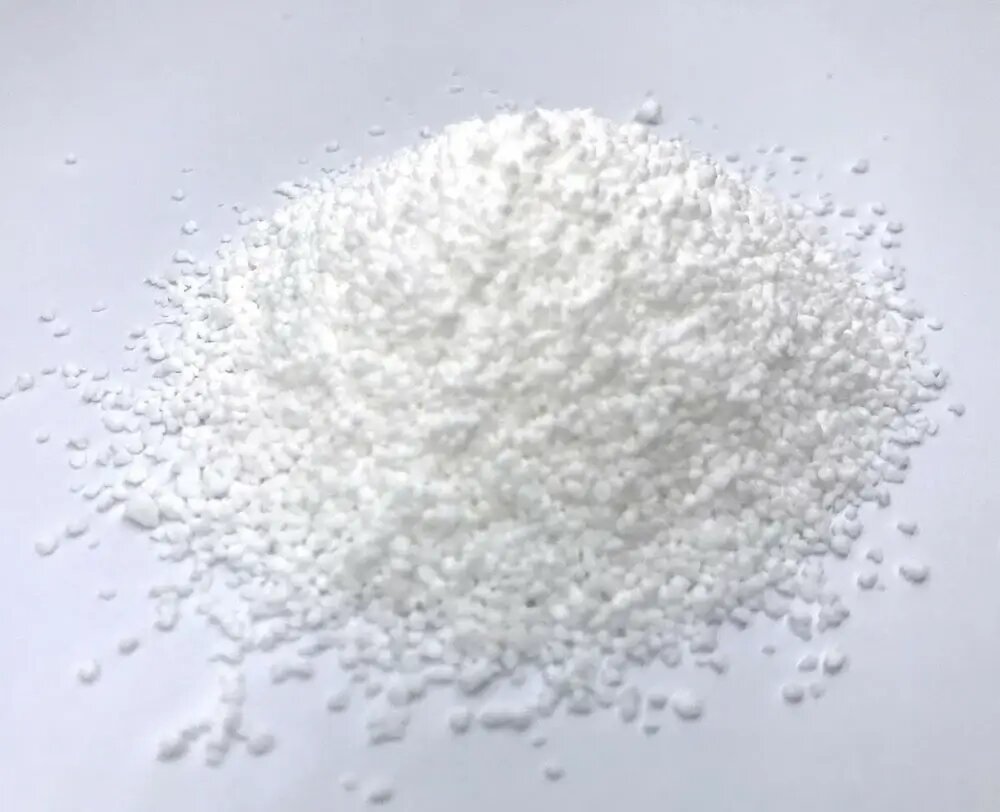
Sodium metasilicate and silica gel are both compounds derived from silica, but they have different chemical properties and uses.1. Sodium Metasilicate:Sodium metasilicate is an inorganic compound with the chemical formula Na2SiO3. It is formed by combining silica (SiO2) with sodium carbonate (Na2CO3) through a high-temperature fusion process. It exists as a white or colorless crystalline solid or as a white powder. Sodium metasilicate is highly alkaline and is commonly used in various industrial applications, such as detergents, cleaning agents, metal cleaning, water treatment, and as a cement binder.2. Silica Gel:Silica gel is also an inorganic compound made from silica (SiO2). However, unlike sodium metasilicate, silica gel is amorphous and comes in the form of small, porous, and irregularly shaped beads or granules. These porous particles have a high surface area, which allows them to adsorb and hold moisture. Silica gel is often used as a desiccant (a substance that absorbs moisture) to protect goods and products from humidity during transportation and storage. It is commonly found in packages with products like electronics, leather goods, and pharmaceuticals.In summary, both sodium metasilicate and silica gel are derived from silica, but sodium metasilicate is an alkaline crystalline compound used in various industrial applications, while silica gel is an amorphous desiccant material utilized to control moisture in packaging and storage.

Silica Cat Litter Types

Silica Cat Litter Types

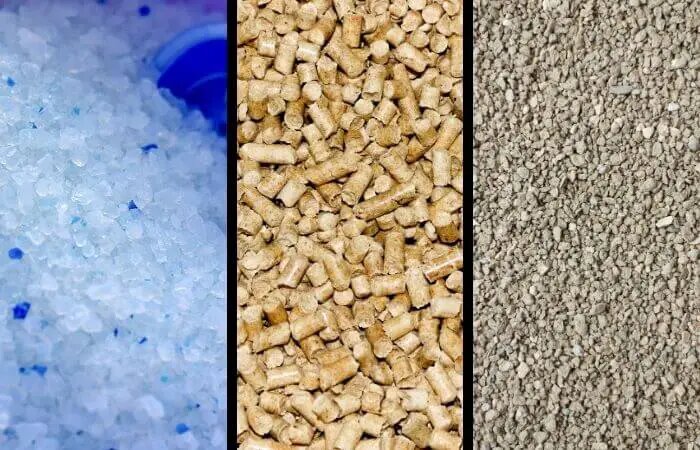
Silica cat litter is a popular type of cat litter made from silica gel, which is a porous and absorbent form of silica dioxide. Silica cat litter is known for its excellent odor control and high absorbency, making it an attractive choice for many cat owners. There are mainly two types of silica cat litter:Traditional Silica Cat Litter: This type of silica cat litter consists of small, round beads made from silica gel. The beads are designed to absorb and trap moisture and odors effectively. When your cat uses the litter box, the urine is quickly absorbed and turns into a solid gel, while the odor molecules are trapped inside the silica beads. This results in reduced odor and a drier litter box. Traditional silica cat litter usually comes in various colors and fragrances to appeal to cat owners.Crystal Silica Cat Litter: Crystal silica cat litter is similar to traditional silica litter but comes in the form of larger, irregular-shaped crystals. The crystals also absorb and lock in moisture and odors, offering good odor control and keeping the litter box dry. Crystal silica litter is generally more transparent or white in color, and some cat owners prefer it because it tends to be less dusty than traditional silica litter.Both types of silica cat litter are non-clumping, which means they do not form solid clumps when they come into contact with liquid like some other types of cat litter (e.g., clay-based litter). Instead, the silica beads or crystals continue to absorb moisture until they reach their maximum capacity, at which point the litter should be replaced entirely.

3A, 4A, 5A Molecular Sieves

3A, 4A, 5A Molecular Sieves

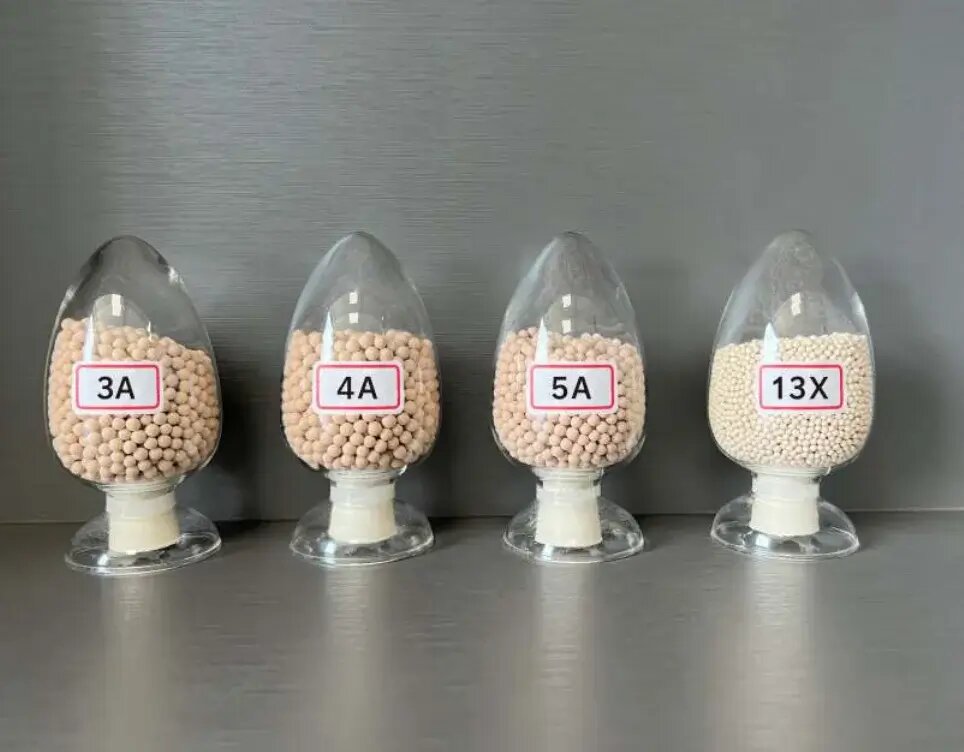
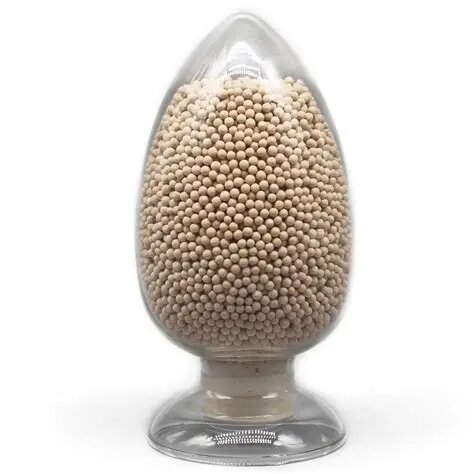
Molecular sieves 3A, 4A, and 5A are types of zeolite molecular sieves, which are porous materials with a specific crystal structure and uniform pore size. They are commonly used in various industrial applications for adsorption, separation, and purification processes. The numerical value (3A, 4A, 5A) refers to the pore size of the molecular sieve, specifically the effective pore diameter in angstroms (Å). Here’s a brief overview of each type:1. Molecular Sieve 3A:– Pore Size: 3 angstroms (3Å)– Commonly used for the removal of water and other polar molecules from gases and liquids.– Due to its small pore size, it can adsorb molecules like water while excluding larger molecules such as hydrocarbons.– Applications include drying of natural gas, air, and refrigerants.2. Molecular Sieve 4A:– Pore Size: 4 angstroms (4Å)– Widely used for the dehydration of gases and liquids, especially for removing water and polar molecules from hydrocarbon streams.– It can adsorb molecules up to the size of n-butane, while excluding larger hydrocarbons like isobutane and above.– Used in natural gas processing, ethanol drying, and other applications where water removal from hydrocarbons is required.3. Molecular Sieve 5A:– Pore Size: 5 angstroms (5Å)– Effective for the separation of gases, particularly for removing water, CO2, and hydrocarbons from gas streams.– It can adsorb molecules up to the size of n-hexane, while excluding larger hydrocarbons like n-heptane and above.– Used in gas drying and purification processes, and for the production of high-purity gases.The choice of molecular sieve depends on the specific application and the size of molecules to be adsorbed or separated. Each type has its own strengths and limitations, making them suitable for different industrial processes.

Molecular Sieves: Dehydration And Desulfurization

Molecular Sieves: Dehydration And Desulfurization

Molecular sieves are highly porous materials with a regular network of microscopic pores and empty cavities. They are commonly used in various industrial processes, including the simultaneous dehydration and desulfurization of gases and liquids.In the context of gas or liquid purification, molecular sieves can be designed to have a specific pore size that allows them to selectively adsorb molecules based on their size and polarity. The term “sieve” refers to their ability to act as a molecular filter, allowing smaller molecules to pass through while adsorbing larger molecules.When it comes to dehydration and desulfurization, molecular sieves can be utilized to remove both water and sulfur-containing compounds from a gas or liquid stream. This is especially useful in the petroleum and natural gas industries, where removing water and sulfur impurities is crucial for various reasons:1. Dehydration: Natural gas and certain petrochemical processes often contain significant amounts of water vapor. Water can cause corrosion in pipelines and equipment, as well as interfere with certain reactions. Molecular sieves can effectively adsorb water molecules, leaving the gas or liquid stream dry.2. Desulfurization: Sulfur-containing compounds (such as hydrogen sulfide and mercaptans) are common impurities in natural gas and crude oil. These compounds need to be removed because they can lead to equipment corrosion and produce harmful sulfur dioxide emissions when burned. Molecular sieves can selectively adsorb these sulfur compounds, resulting in a cleaner and more environmentally friendly product.The adsorption capacity of molecular sieves depends on factors such as pore size, surface area, and the type of adsorbate molecule. Regeneration of molecular sieves is also possible by heating them to release the adsorbed molecules and restore their adsorption capacity.Overall, molecular sieves offer an efficient and cost-effective solution for simultaneously dehydrating and desulfurizing gas and liquid streams in various industrial applications.