Litter Box Fillers

Litter Box Fillers

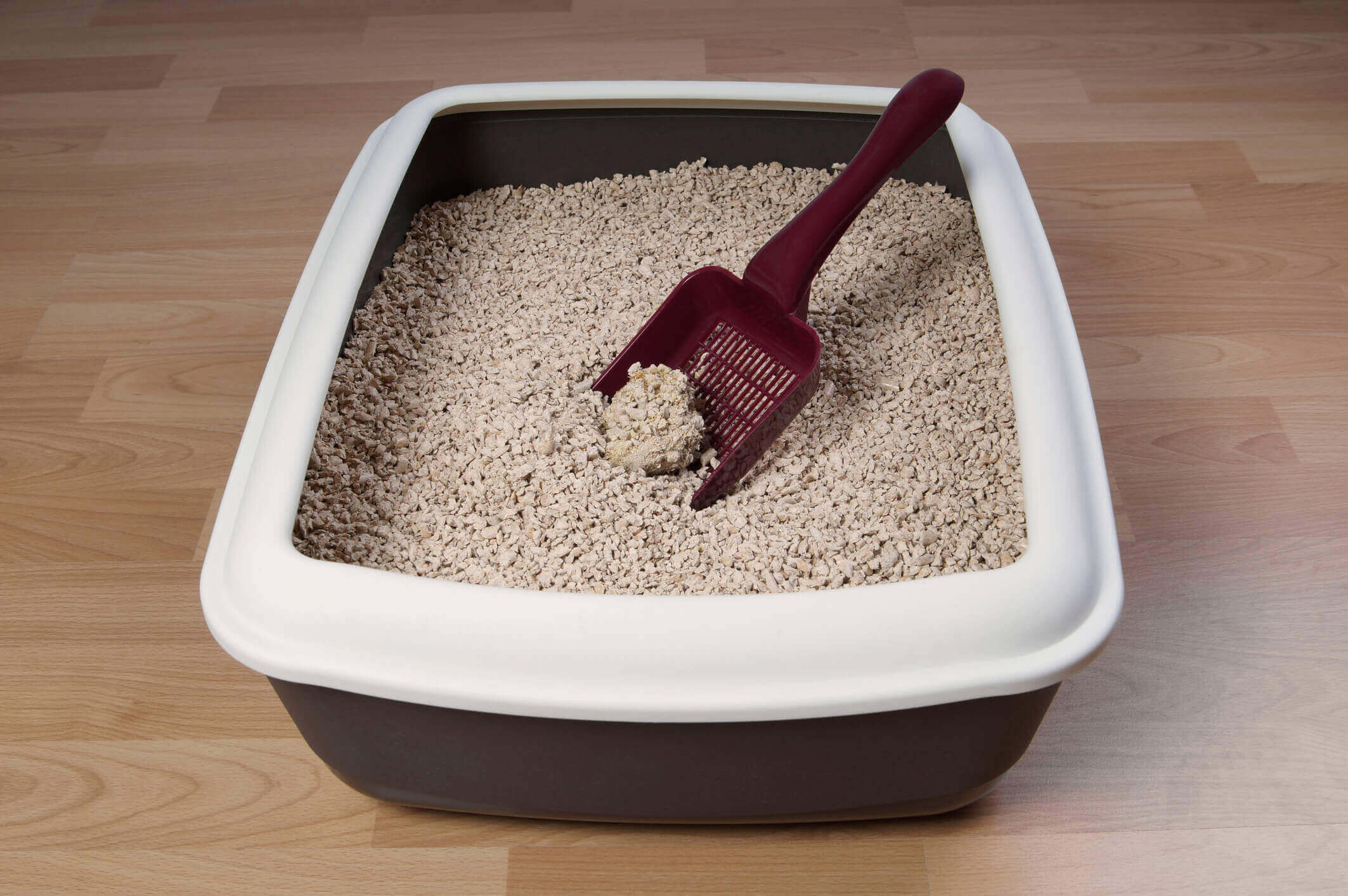
Cat litter is an essential product for cat owners, providing a convenient and hygienic way for indoor cats to relieve themselves. The choice of cat litter can significantly affect both the environment and the health of cats. This essay explores the various types of cat litter fillers, comparing their characteristics, environmental impacts, and health considerations for cats.   a.Types of Cat Litter Fillers  Ⅰ. Clay-Based LitterClay-based litter is one of the most common and traditional types of cat litter. It is made from natural clay minerals, primarily consisting of bentonite, which is known for its ability to absorb several times its dry mass in water[1]. Clay litter is inexpensive and widely available, making it a popular choice among cat owners. It comes in two forms: clumping and non-clumping. Clumping clay litter forms solid clumps when wet, which facilitates easy scooping and waste removal[2]. However, the majority of bentonite found in China, a top producer, is of the less commercially valuable calcium type, which does not swell as much as sodium bentonite[1].  Ⅱ. Silica Gel LitterSilica gel litter is made from silica dioxide sand, a highly absorbent material that excels in controlling odors. It produces minimal dust, which can be beneficial for cats and owners sensitive to airborne particles. Despite its advantages, silica gel litter is more expensive than clay-based alternatives, which may deter some buyers.  Ⅲ. Biodegradable LitterBiodegradable litters are made from natural, renewable materials such as corn, wheat, wood, or paper. These litters are eco-friendly, decomposing more easily than clay or silica-based litters, thus reducing landfill waste. However, they may not control odors as effectively as clay or silica gel litters and often need to be changed more frequently to maintain cleanliness and odor control.  Ⅳ. Scented vs. Unscented LitterLitter can also be categorized based on whether it is scented or unscented. Scented litters contain added fragrances to help mask odors, but some cats and their owners may be sensitive to these perfumes. Unscented litters, while not masking odors with fragrances, can still effectively control odor through the absorbent properties of the litter material itself.  b. Environmental ImpactThe environmental impact of cat litter varies significantly among the different types. Clay-based litters, particularly those made from bentonite, contribute to mining activities that can be detrimental to the environment[1]. Silica gel litters, while producing minimal dust, are made from a non-renewable resource. Biodegradable litters, on the other hand, are made from renewable resources and decompose more easily, making them a more environmentally friendly option[3].  c. Health Considerations for CatsThe health of cats can also be affected by the type of litter used. Clay and silica gel litters can produce dust that may lead to respiratory issues in both cats and humans. Biodegradable litters are generally considered safer in this regard, as they tend to produce less dust. However, the choice between scented and unscented litters should also be considered, as some cats may have sensitivities or allergies to the fragrances used in scented litters[4].ReferencesLi, A., China’s bentonite industry has room to grow.Industrial minerals, 2016: p. 9.Limoges, M.A., et al., Differential Survival of Escherichia coli and Listeria spp. in Northeastern U.S. Soils Amended with Dairy Manure Compost, Poultry Litter Compost, and Heat-Treated Poultry Pellets and Fate in Raw Edible Radish Crops.J Food Prot, 2022. 85(12): p. 1708-1715.Saikeaw, N., et al., Preparation and properties of biodegradable cat litter produced from cassava (Manihot esculenta L. Crantz) trunk.E3S Web of Conferences, 2021.Berman, N. and N.W. Daw, Comparison of the critical periods for monocular and directional deprivation in cats.J Physiol, 1977. 265(1): p. 249-59.
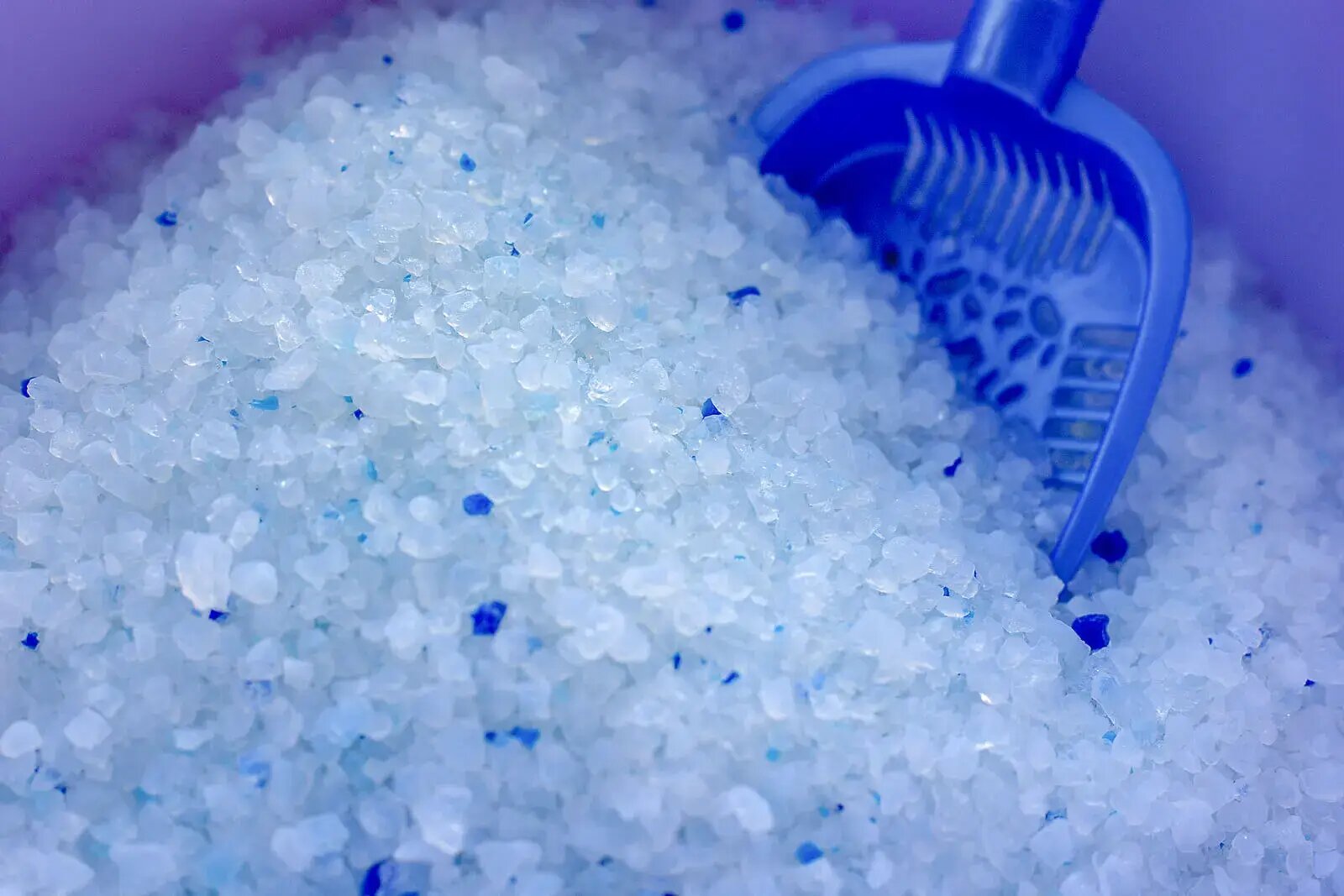
Synthesis of Silica Gel Litter

Synthesis of Silica Gel Litter

Raw MaterialsThe primary raw materials used in the synthesis of silica gel litter are silica precursors, such as tetraethylorthosilicate (TEOS) or sodium silicate (Na2SiO3)[1, 2]. These precursors undergo hydrolysis and condensation reactions to form a network of interconnected silica particles[3]. Other materials, such as ethanol, acetic acid, and water, are also used in the synthesis process as solvents and catalysts[4].Sol-Gel ProcessThe sol-gel process is the most common method for synthesizing silica gel litter. It involves the formation of a colloidal suspension (sol) of silica particles, which then undergoes gelation to form a continuous network (gel)[1, 3]. The process can be carried out at room temperature, making it energy-efficient and eco-friendly[1].Figure 3. Flow chart of sol–gel synthesis[5]The sol-gel process typically involves the following steps:Hydrolysis: The silica precursor is mixed with water and a catalyst (e.g., acetic acid) to form silanol groups (Si-OH)[2, 4].Condensation: The silanol groups react with each other to form siloxane bonds (Si-O-Si), leading to the formation of a three-dimensional network of silica particles[2, 3].Aging: The gel is allowed to age, during which time the network continues to cross-link and strengthen[6].Drying: The gel is dried to remove the liquid phase, leaving behind a highly porous silica gel[3, 4].Modifications and AdditivesVarious modifications and additives can be incorporated into the synthesis process to enhance the properties of silica gel litter. These include:Surface ModificationThe surface of silica gel can be modified to increase its hydrophobicity or hydrophilicity. For example, methylation of the silica surface using methyltriethoxysilane (MTES) can increase its hydrophobicity, improving its moisture resistance[7, 8]. Conversely, the addition of polyether-imide (PEI) or hexadecyl trimethyl ammonium bromide (CTMAB) can increase the hydrophilicity of the silica surface, enhancing its ability to adsorb polar molecules[9].Additives for Odor ControlAdditives such as activated carbon or baking soda can be incorporated into the silica gel litter formulation to enhance its odor control properties[10, 11]. These materials work by adsorbing volatile organic compounds and other odorous substances, keeping the litter box fresh and hygienic.Antimicrobial AgentsAntimicrobial agents can be added to the silica gel litter to prevent bacterial growth and maintain a hygienic environment for cats[10, 11]. These agents can be incorporated during the synthesis process or applied as a coating on the surface of the silica gel particles.ReferencesDemirdöğen, R.E. Chemical Synthesis Method for Production of Silica Gel as a Sorbent Material.Hamawi, M. and N. Trisnaningrum, Modification of The Synthesis of Silica from Litter Ori Bambusa (Bambusa blumeana) Leaves Using Sodium and Potassium With The Hydrothermal Sol-Gel Method As Agricultural Fertilizer.Agroindustrial Technology Journal, 2023.Salami, S.A., et al., Immobilized Sulfuric Acid on Silica Gel as Highly Efficient and Heterogeneous Catalyst for the One-Pot Synthesis of Novel α-Acyloxycarboxamides in Aqueous Media.Int J Mol Sci, 2022. 23(17).A’Yuni, Q., et al., Synthesis and characterization of silica gel from Lapindo volcanic mud with ethanol as a cosolvent for desiccant applications.RSC Adv, 2023. 13(4): p. 2692-2699.Tranquillo, E., et al., Sol–Gel Synthesis of Silica-Based Materials with Different Percentages of PEG or PCL and High Chlorogenic Acid Content.Materials, 2019. 12(1): p. 155.López, S.F., et al. Effect of microwave heating on the sol-gel process of silica gels. 2020.Vidal, K., et al., The Synthesis of a Superhydrophobic and Thermal Stable Silica Coating via Sol-Gel Process.Coatings, 2019.Jiang, C., et al., Synthesis of superhydrophobic fluoro-containing silica sol coatings for cotton textile by one-step sol–gel process.Journal of Sol-Gel Science and Technology, 2018. 87: p. 455-463.Li, Z., Selective Removal of Phenol from Cigarette Smoke by Silica Gel Additives with Surface Modification.Chinese Journal of Spectroscopy Laboratory, 2011.Faza, Y., et al., SURFACE MODIFICATION OF ALUMINA-SILICA BY ADDITIVE AGENT USING SOL-GEL METHOD AS FILLER DENTAL COMPOSITE.B-Dent: Jurnal Kedokteran Gigi Universitas Baiturrahmah, 2024.Borshch, V.N., et al., Low-Temperature Combustion Synthesis and Characterization of Co-Containing Catalysts Based on Modified Silica Gel.International Journal of Self-Propagating High-Temperature Synthesis, 2023. 32: p. 126-138.

Chemical Reactions of Silicon Dioxide

Chemical Reactions of Silicon Dioxide

Silicon dioxide (SiO2), also known as silica, is a widely abundant compound found in nature and is a crucial component in various industrial applications. Although silicon dioxide is generally considered to be chemically inert, it can undergo several chemical reactions under specific conditions. This essay will discuss the main chemical reactions of silicon dioxide, including hydrolysis, dissolution, reduction, and silylation, along with their importance and applications.HydrolysisOne of the most important chemical reactions of silicon dioxide is hydrolysis, which occurs in the presence of water. In this reaction, silicon dioxide reacts with water to form silicic acid (Si(OH)4)[1]. The reaction can be represented as:SiO2 + 2H2O → Si(OH)4Hydrolysis of silicon dioxide is a crucial process in the weathering of silicate minerals and the biogeochemical cycling of silicon in the environment. As water interacts with silicate minerals, it breaks down the silicon-oxygen bonds, releasing silicic acid into the solution. This process is essential for the formation of soils and the transport of silicon in aquatic systems.DissolutionSilicon dioxide can also undergo dissolution in alkaline solutions, such as sodium hydroxide (NaOH), to form soluble silicates[1, 2]. The reaction can be represented as:SiO2 + 2NaOH → Na2SiO3 + H2OIn this reaction, the hydroxide ions (OH-) attack the silicon-oxygen bonds, breaking down the silica structure and forming sodium silicate (Na2SiO3), also known as water glass. This reaction is widely used in the production of sodium silicate, which has various applications in detergents, adhesives, and water treatment.Dissolution of silicon dioxide is also important in the extraction of silica from natural sources, such as sand or diatomaceous earth. By treating these materials with alkaline solutions, silica can be dissolved and subsequently precipitated to obtain high-purity silica for various applications.ReductionAt high temperatures, silicon dioxide can be reduced by carbon (C) or hydrogen (H2) to form elemental silicon (Si)[1]. The reactions can be represented as:SiO2 + 2C → Si + 2COSiO2 + 2H2 → Si + 2H2OThese reduction reactions are the basis for the industrial production of silicon, which is a crucial material in the electronics and solar energy industries. In the carbothermic reduction process, silicon dioxide is heated with carbon (usually in the form of coke) in an electric arc furnace at temperatures above 2000°C. The resulting silicon is then purified to obtain high-purity silicon for semiconductor applications.SilylationSilicon dioxide can react with silylating agents, such as chlorosilanes or alkoxysilanes, to form surface-modified silica with altered hydrophobicity and reactivity[1]. This process, known as silylation[3], involves the attachment of organic groups to the silica surface through the formation of silicon-oxygen-silicon (Si-O-Si) bonds. The general reaction can be represented as:SiO2 + R-Si(X)3 → SiO2-O-Si(R)(X)2 + HXwhere R is an organic group, and X is a leaving group, such as chloride or alkoxide.Silylation is used to functionalize silica surfaces for various applications, such as chromatography, catalysis, and the production of hydrophobic materials[4]. By modifying the surface properties of silica, it is possible to tailor its interactions with other molecules, making it suitable for specific applications. For example, in chromatography, silylated silica is used as a stationary phase to separate mixtures based on their affinity for the modified surface.In conclusion, silicon dioxide, despite its apparent chemical inertness, can undergo several important chemical reactions, including hydrolysis, dissolution, reduction, and silylation. These reactions play crucial roles in various natural processes, such as weathering and biogeochemical cycling, as well as in industrial applications, such as the production of silicon, sodium silicate, and surface-modified silica. ReferencesMelnikov, M.Y., V.I. Pergushov, and N.Y. Osokina. Matrix isolation of intermediates on the activated surface of silicon dioxide : The capabilities of the technique in the studies of mechanisms and efficiencies of chemical reactions. 1999.Kazumi, H. and K. Tago, Analysis of Plasma Chemical Reactions in Dry Etching of Silicon Dioxide.Japanese Journal of Applied Physics, 1995. 34: p. 2125.Capel-Sanchez, M., et al., Silylation and surface properties of chemically grafted hydrophobic silica.Journal of colloid and interface science, 2004. 277: p. 146-53.Ramírez, A., et al., Formation of Si–H groups during the functionalization of mesoporous silica with Grignard reagents.Microporous and Mesoporous Materials, 2007. 98(1): p. 115-122.

China Silica Gel Factory

China Silica Gel Factory

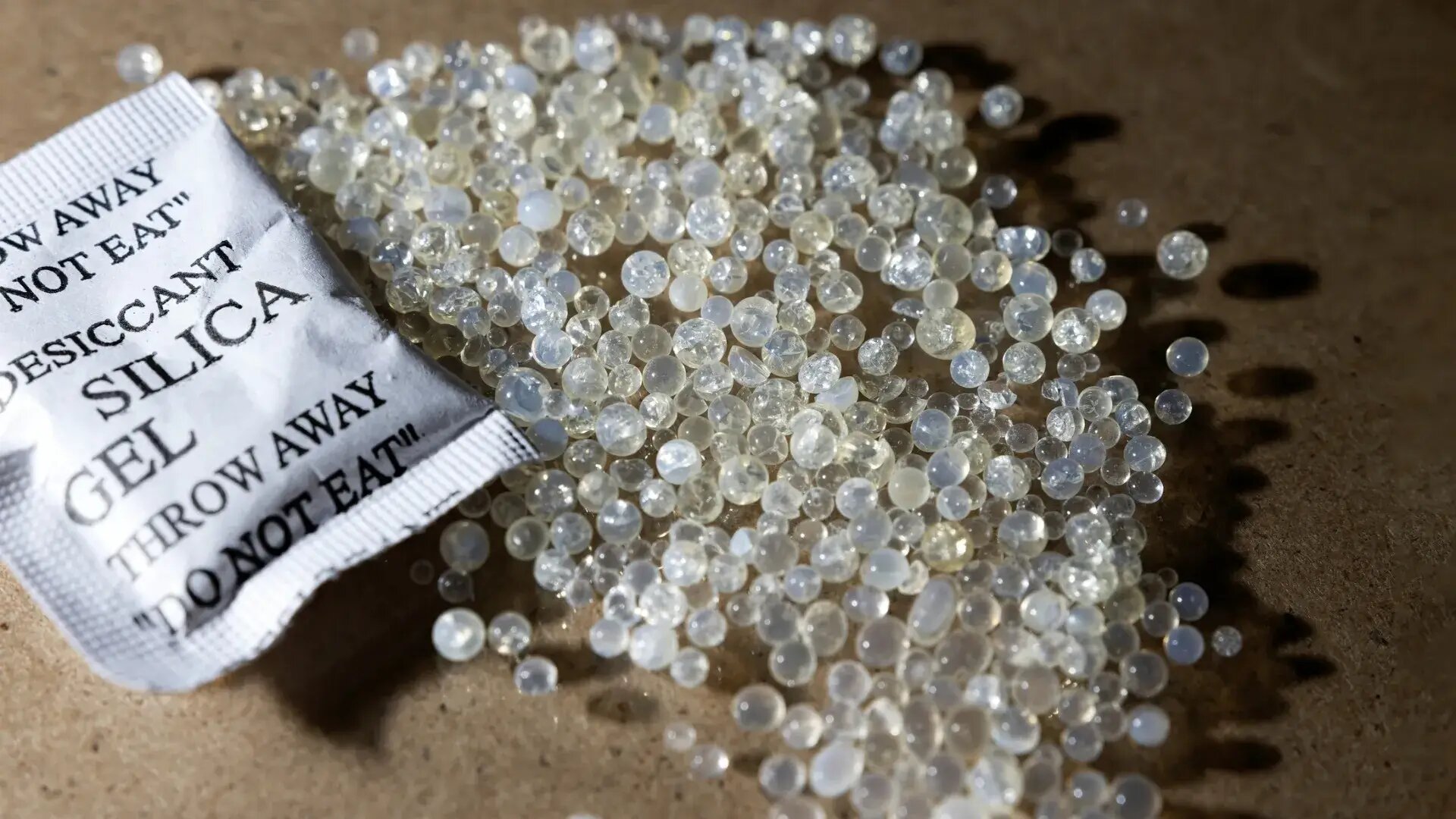
China’s silica gel industry had been growing steadily due to the country’s significant manufacturing and export activities. The increasing demand for silica gel in various sectors, particularly in the electronics and packaging industries, had contributed to the expansion of its domestic production capacity.Some key points about China’s silica gel industry include:1. Production Capacity: China had a substantial production capacity for silica gel, and many manufacturers were located in different regions of the country. The production capacity was likely to have increased over the years to meet the rising demand.2. Export: China was one of the major exporters of silica gel products to various countries. Its competitive pricing and abundant supply had made it a preferred supplier for many global buyers.3. Quality and Standards: The quality of silica gel products can vary, and some manufacturers might focus on producing low-cost, lower-grade silica gel. However, there were also companies that adhered to international quality standards to cater to customers with higher requirements.4. Competition: The silica gel industry in China was competitive, with both large-scale manufacturers and smaller companies vying for market share.5. Research and Development: China’s silica gel industry had been investing in research and development to improve product quality and explore new applications for silica gel.Some well-known silica gel manufacturers in China that were recognized as major players in the industry:1. Shandong Sinchem Silica Gel Co., Ltd.2. Qingdao Haiyang Chemical Co., Ltd.3. Guangzhou Pakwel Packaging Tech Co., Ltd. (Pakwel Silica Gel)4. Shenzhen Chunwang Environmental Protection Technology Co., Ltd.5. Hangzhou Geevo Technology Co., Ltd.Shandong Sinchem Silica Gel Co., Ltd. is a company based in Shandong, China, that specializes in the manufacturing and distribution of silica gel products. Silica gel is a porous, amorphous form of silicon dioxide, commonly used as a desiccant to control humidity and moisture levels in various products and environments.

Advantages of Tofu Cat Litter

Advantages of Tofu Cat Litter

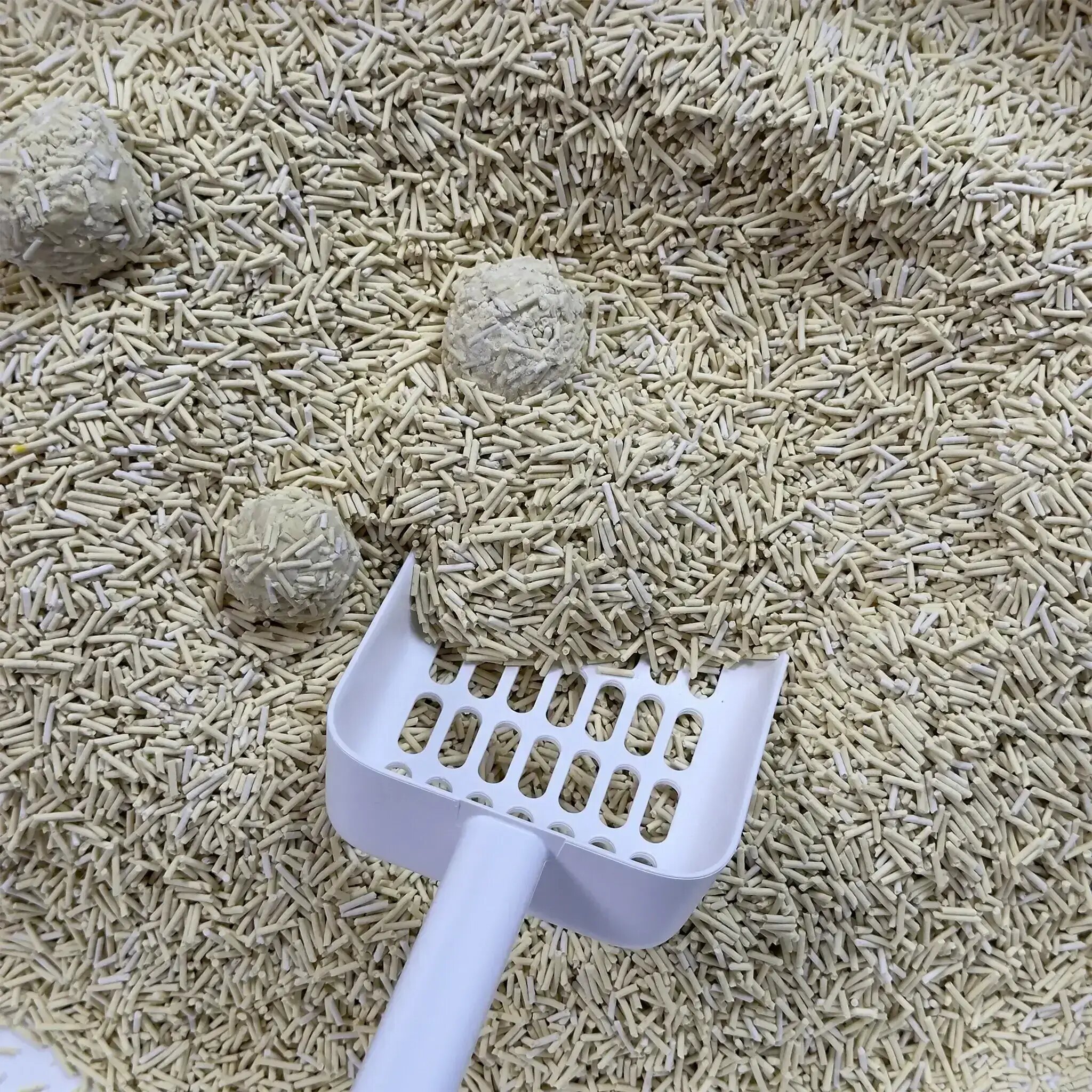
Tofu cat litter, also known as tofu cat litter pellets or tofu-based cat litter, is a relatively new type of cat litter made from natural, plant-based materials. It offers several advantages compared to traditional clay-based or silica-based cat litters. Here are some of the potential benefits:1. Eco-friendly: Tofu cat litter is biodegradable and made from sustainable, renewable sources, typically soybean residues or tofu manufacturing by-products. Choosing this type of litter helps reduce the environmental impact associated with clay-based litters, which require extensive mining and can take centuries to break down.2. Non-toxic: Tofu cat litter is free from harmful chemicals and additives, making it safer for both cats and their owners. Traditional cat litters can contain additives like sodium bentonite, which may raise concerns about potential health risks.3. Low dust: Tofu cat litter tends to be low in dust, making it a suitable option for cats and people with respiratory sensitivities. This quality also helps to minimize tracking around the house.4. Clumping ability: Some varieties of tofu cat litter have excellent clumping capabilities, which simplify the process of cleaning the litter box. Clumping litters make it easier to remove soiled parts without replacing the entire litter box contents.5. Odor control: Tofu cat litter may offer effective odor control, keeping unpleasant smells at bay in the litter box area. The tofu material itself often has natural odor-absorbing properties.6. Flushable and easy to dispose of: Certain types of tofu cat litter are flushable, making it convenient to dispose of waste in the toilet. However, it’s essential to check the manufacturer’s recommendations and ensure your plumbing system can handle it.7. Lightweight: Compared to traditional clay-based litters, tofu cat litter is generally lightweight, making it easier to handle and transport.Despite these advantages, it’s essential to note that every cat is different, and their preferences for litter can vary. Some cats may take time to adapt to tofu cat litter due to its different texture and scent. Additionally, not all tofu cat litters offer the same clumping or odor control abilities, so it’s a good idea to try different brands and types to find the one that works best for you and your cat. As with any cat litter, regular scooping and proper litter box hygiene are essential for maintaining a clean and comfortable environment for your feline friend.