Application of Molecular Sieve in Glass

Application of Molecular Sieve in Glass

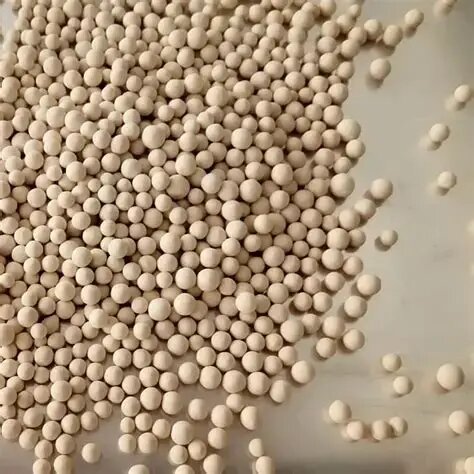
Molecular sieves are materials with highly porous structures that allow them to selectively adsorb and trap molecules based on their size and shape. They are widely used in various applications, including in the glass industry. Here are some of the key applications of molecular sieves in glass production:1. Drying agents: Molecular sieves are commonly used as desiccants or drying agents in the glass manufacturing process. Moisture can adversely affect the quality of glass, leading to defects and reducing its mechanical strength. Molecular sieves can efficiently remove moisture and other volatile compounds from raw materials, such as silica sand and other glass-forming materials, ensuring the glass produced is of high quality and free from imperfections.2. Insulating glass units (IGUs): IGUs are double or triple glazing units used in windows and doors to enhance energy efficiency by reducing heat transfer between the interior and exterior environments. Molecular sieves are incorporated into the spacer material between the glass panes. They help in absorbing and controlling any moisture that might penetrate the IGU, preventing condensation and maintaining the insulating properties of the unit.3. Argon or krypton gas retention: In some specialized glass applications, such as energy-efficient windows, argon or krypton gas is used as a fill material between the glass panes. Molecular sieves can be used to encapsulate these gases within the sealed space, preventing their leakage over time and maintaining the insulating properties of the gas-filled unit.4. Adsorbent for volatile organic compounds (VOCs): During the production of certain types of glass, volatile organic compounds may be released into the atmosphere. Molecular sieves can be employed to adsorb and capture these harmful substances, helping to meet environmental regulations and minimize air pollution in the glass manufacturing process.5. Controlling gas atmosphere in glass melting: Molecular sieves can be used to regulate the gas atmosphere in glass melting furnaces. By selectively adsorbing certain gases, they can help maintain the right composition of the atmosphere to ensure efficient melting and refining of glass materials.6. Gas purification: Molecular sieves are utilized in gas purification processes for removing impurities and moisture from various gases used in glass production, such as nitrogen, oxygen, and carbon dioxide.Overall, molecular sieves play a crucial role in the glass industry by ensuring the quality, energy efficiency, and environmental compliance of glass products. Their ability to selectively adsorb and trap specific molecules makes them valuable tools in various aspects of glass production and application.
What Is The Difference between Different Colors of Indicating Silica Gel?

What Is The Difference between Different Colors of Indicating Silica Gel?

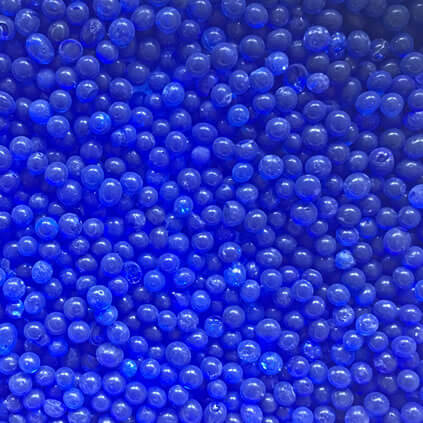
Indicating Silica Gel is a desiccant commonly used to control humidity and moisture in various products and applications. The primary purpose of Indicating Silica Gel is to absorb moisture, preventing damage caused by excessive humidity. The difference between different colors of Indicating Silica Gel lies in their moisture-absorbing properties and indication mechanism:1. Blue Indicating Silica Gel: This type of silica gel contains cobalt chloride, which is blue when dry and changes color to pink as it absorbs moisture. Blue silica gel is commonly used in applications where moisture levels need to be monitored visually. However, cobalt chloride is considered to be hazardous and poses environmental risks. Therefore, the use of blue Indicating Silica Gel is gradually being replaced by more environmentally friendly alternatives.2. Orange/Yellow Indicating Silica Gel: The orange or yellow-colored silica gel does not contain cobalt chloride and is a safer alternative to blue Indicating Silica Gel. Instead, it uses organic dyes that change color from orange/yellow when dry to green when saturated with moisture. The color change is easily visible, indicating the need for replacement or regeneration.3. Colorless Indicating Silica Gel: This type of silica gel remains colorless when dry but changes to a different color (e.g., pink or white) when it absorbs moisture. It is often preferred for applications where visual indicators are not necessary or where the color of the desiccant could interfere with the product or material it protects.It’s important to note that Indicating Silica Gel, regardless of its color, is not reusable once it becomes saturated with moisture. However, some types can be regenerated by removing the absorbed moisture through heating, making them suitable for certain applications where continuous use is required. For applications that demand non-reusable desiccants, silica gel packets without indicators may be used, and their replacement schedule must be based on regular monitoring of humidity levels or weight changes.

Silica Gel Has Fragrance?

Silica Gel Has Fragrance?

Silica gel itself does not have a fragrance. Silica gel is a desiccant, a substance that absorbs and holds moisture. It is often used as a drying agent to prevent moisture damage in various products, such as electronics, leather goods, and food packaging.However, sometimes you might come across silica gel packets that have a fragrance or odor. Manufacturers sometimes add scents to these packets to mask any potential odors that might develop as the silica gel absorbs moisture. The added fragrance helps maintain a pleasant smell in the packaged product or container.If you encounter silica gel packets with a fragrance, be aware that they are specifically designed for that purpose and are safe to use as directed. However, standard silica gel used for moisture absorption typically has no fragrance. Always follow the instructions provided by the manufacturer when using any product containing silica gel packets.

Silica Gel for Air Separation

Silica Gel for Air Separation

Industrial silica gel, including the absorbent FNG (Fluorinated Natural Gas), plays a crucial role in the cryogenic air separation process. Cryogenic air separation is a method used to separate the various components of air, such as nitrogen, oxygen, and other trace gases, by exploiting the differences in their boiling points at low temperatures.During this process, air is first compressed and then cooled to very low temperatures to condense and separate its constituents. Silica gel absorbents, like FNG, are utilized to remove moisture and impurities from the air feed before it enters the cryogenic distillation column. Moisture and impurities can cause operational issues and potentially damage the equipment, so their removal is essential for the efficient functioning of the air separation unit.The absorbent FNG is typically made of silica gel with fluorinated compounds, designed to enhance its moisture and impurity adsorption capabilities, especially in the presence of hydrocarbons and other challenging contaminants. It is known for its high capacity and selectivity for moisture removal, making it well-suited for use in the air separation process.In summary, industrial silica gel absorbent FNG is an essential component in cryogenic air separation units, helping to purify the air feed by efficiently removing moisture and impurities, thereby contributing to the successful operation of the air separation process.

Silica Gel Desiccant

Silica Gel Desiccant

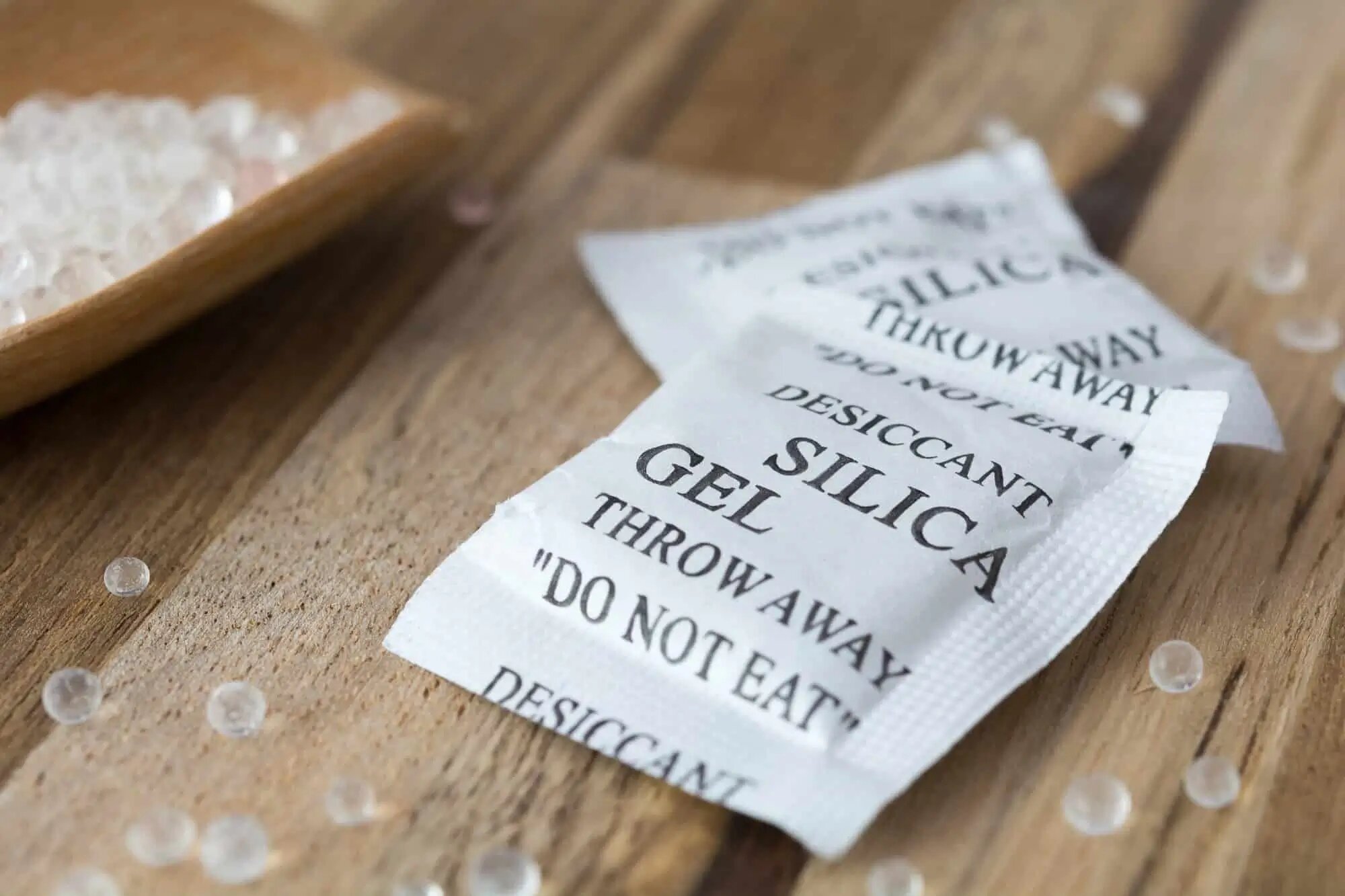
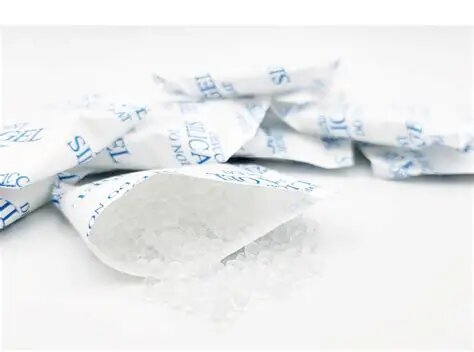
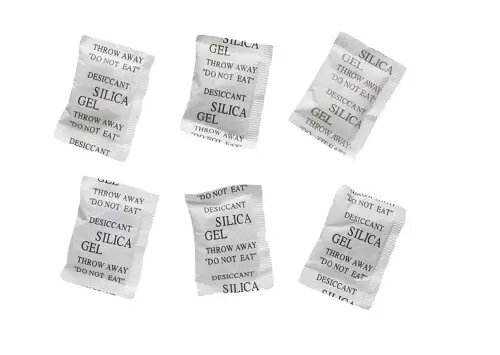
Silica gel is a popular desiccant used for moisture absorption in various industries and everyday products. It is a porous, granular form of silicon dioxide, a naturally occurring mineral. Silica gel has a high surface area and can absorb moisture effectively, making it an ideal choice for preventing damage caused by humidity and moisture.Here’s how silica gel works as a desiccant for moisture absorption:Porous Structure: Silica gel is made up of tiny pores and has a large surface area. This structure allows it to trap and hold water molecules when they come into contact with its surface.Hygroscopic Nature: Silica gel is a hygroscopic material, meaning it has an affinity for water molecules in its surroundings. When exposed to air, it naturally seeks to balance the moisture content by absorbing water vapor.Indicating Properties: Some silica gel products include indicators that change color when saturated with moisture. The color change indicates when the silica gel needs to be replaced or reactivated.Regeneration: Silica gel can be regenerated and reused. Once it becomes saturated with moisture, it can be heated to remove the absorbed water, allowing it to regain its moisture-absorbing capacity. This regeneration process makes silica gel a cost-effective and environmentally friendly option for moisture control.Common Applications of Silica Gel:Packaging: Silica gel packets are often found in various consumer products, such as electronics, shoes, pharmaceuticals, and food packaging. They help prevent moisture-related damage during storage and transport.Electronics: Silica gel is commonly used in electronic devices and equipment to protect sensitive components from humidity and prevent corrosion.Museums and Libraries: Silica gel is used in controlled environments like museums and libraries to protect valuable artifacts, books, and documents from moisture-related deterioration.Leather Goods: Silica gel is employed in leather goods, like bags and shoes, to maintain their quality and prevent mold growth due to moisture.Hobby and DIY Projects: Silica gel is used by hobbyists and DIY enthusiasts to preserve flowers and herbs by removing moisture from them.It’s essential to handle silica gel with care, as it can be harmful if ingested. It’s usually labeled with warnings and instructions. When using silica gel to protect items or control moisture in confined spaces, ensure that it is kept away from children and pets and used in well-ventilated areas. Additionally, follow the manufacturer’s guidelines for reactivation or disposal, depending on the type of silica gel used.