How much silica gel to use for column chromatography? How to calculate quantity?

How much silica gel to use for column chromatography? How to calculate quantity?

Column chromatography can feel like a puzzle, and nowhere does that show up more than when you’re scooping out silica gel. Eventually, it comes down to one question: “How much should I actually use?” Anybody who’s prepped a column knows this moment. I remember standing in grad school scraping the last grains out of a bottle, wishing someone had told me how to avoid both waste and wasted time. Plenty of textbooks toss out rules of thumb, but they hardly ever match what works on the bench.Most labs stick to a basic ratio of silica to crude sample in the range of 30:1 to 100:1 by weight. It gets handed down almost like a kitchen recipe. If you spot 1 gram of sample, expect to use 30 to 100 grams of silica gel. This ratio came about because it covers most crude mixtures—enough silica keeps compounds from running together so you can pull off clean separations. Some folks try to go lean to save on materials, but skimping rarely pays off. You wind up chasing bands that smear and blend together no matter how careful you are with collecting fractions.Let’s look at how to land the right number. Start by figuring out how much actual product you loaded, not just the crude mass. Say you need to separate out a specific compound from 2 grams of oily starting material, and only half a gram is the target. If you go for a 50:1 ratio, multiply 0.5 grams by 50 and you’ll need 25 grams of silica gel. Labs often round up to the next convenient scoop instead of trying to weigh every last gram. There’s nothing worse than running out of silica partway through packing, so rounding up actually saves you a headache.The dimensions of your glassware matter almost as much as the actual mass. More silica needs a bigger diameter or longer tube. If the column’s too skinny, the silica can’t do its job and you get poor resolution. Pour in enough silica gel for a column height of about 15 to 20 centimeters for most standard separations. Some tough mixtures—like natural products or colored impurities—just laugh at thin beds, making you reload and run the same sample all over again.Silica gel doesn’t come in just one form. Most research runs choose mesh sizes around 60–200. Finer mesh means better separation but slows down the flow rate, and everyone discovers pretty quickly how patience wears thin with columns that crawl. Coarser silica moves faster but often leads to less distinct bands. If you swap brands or mesh grades, you might need to adjust the ratio. I’ve seen students switch silica gel but keep the ratio identical, then wonder why the results look off. Ask around and record results—it’s rarely one-size-fits-all, even with simple reactions.The temptation to use less silica gets stronger every time budgets tighten or the store room runs low. Many try cutting the ratio, maybe 20:1 or less. The payoff almost always disappoints. The biggest headaches? Overlapping bands, incomplete separations, and columns that clog because the gel collapses under vacuum or gravity. Tossing a ruined column means more wasted silica plus lost starting material. That cost stings a lot more than adding a few extra grams from the start.Waste isn’t inevitable, even with these high ratios. You can regenerate and reuse silica by washing out organic residues and reactivating at high temperature. This does require some up-front time and energy. Paying attention to the quality of what you recover lets you stretch the supply without shooting yourself in the foot on purity. Some green chemistry advocates have started using automated flash systems, which meter out silica using tight controls and track solvent use at every step. If the budget allows, automated systems create near-perfect reproducibility, but many smaller labs stick to manual columns due largely to cost and familiarity.It’s easy to fall into habits and keep reusing the last number that worked. I’ve watched new chemists try to scale up with a tiny amount of silica and end up with disaster. If your crude contains colored byproducts or complex mixtures of very polar and nonpolar compounds, be prepared to go toward the higher end of the silica:sample ratio range. Running “test columns” on a sliver of material before going full scale helps avoid the pain of wasting product or solvent.Nobody gets good at column chromatography from a list of ratios. With time, you start to gauge how fluffy or dense your sample feels, or how certain impurities migrate under UV light or TLC. If you’re pushing for the cleanest possible prep—maybe for preclinical research or scaleup—don’t be cheap with silica. Understanding how your mixture behaves can mean the difference between a tedious, smeared disaster and a beautiful, sharp separation.It doesn’t come down to a strict calculator or single equation. True expertise blends lab experience, careful measurement, and honest postmortems of both successes and failures. Rely on good record-keeping, talk to others who’ve run similar separations, and adjust as needed. Silica gel isn’t just another number to plug in—think it through, and you’re much more likely to see a clean band and a productive day’s work.
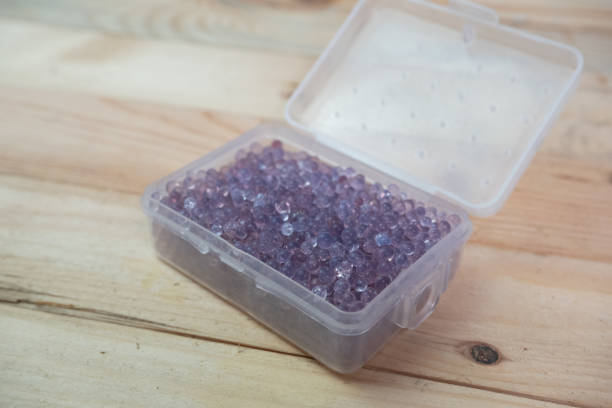
What is silica gel 60 / GF254 / self‑indicating?

What is silica gel 60 / GF254 / self‑indicating?

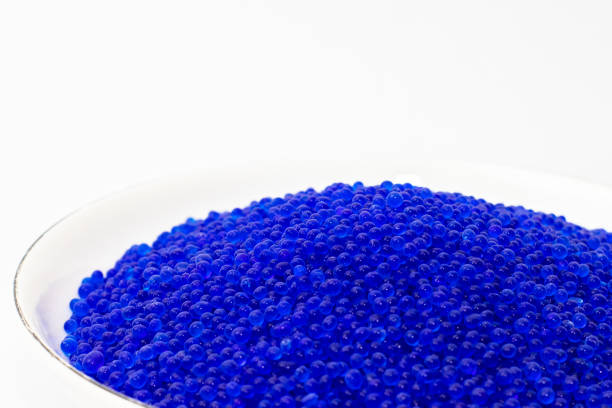
Folks working in chemical labs or industries that lean on chromatography rarely stop to think about the stuff letting their results shine, but silica gel 60 GF254 self-indicating deserves some attention. Unlike the anonymous powders on pantry shelves or mattress feet, this material stands front and center in many scientific pursuits. Most people see science as a world of beakers, equations, and careful measurements, yet the success of a procedure often comes down to the reliability of the base materials. Silica gel 60 GF254 steps up every day as the silent backbone of thin layer chromatography, separating mixtures into their pure components with clarity that only comes from years of development and testing. The secret sits in the combination—pure silica gel, particle size around 60 Å, and a dash of GF254 that brings chemistry and utility together on a simple glass or plastic plate. It’s not just white powder; the GF254 refers to a fluorescent indicator mixed with the gel, which usually glows green under UV light at 254 nm. Imagine trying to spot a drop of clear liquid on a white plate—nearly impossible. Add the GF254, and every spot of your sample glows like a highlighter on a test day. If you’ve run TLC plates by hand, you know the dread of missing a compound until it’s too late. This indicator marks every sample’s path, making results hard to ignore. It’s the chemistry version of turning on a flashlight in a dark room.Hard lessons surface when moisture creeps into the storage cabinet, spoiling chemicals before you even realize anything’s wrong. The “self-indicating” tag means silica gel does more than just serve as a stationary phase—it also signals when it’s past its prime. Saturated silica changes color, warning users to swap it out before it ruins a separation. Counting on a moisture-sensitive product without this warning is a good way to watch a long project slip through your hands. With self-indicating silica, you cut out guessing and trust that your separation still has a fighting chance, no matter the humidity level in the lab.Focusing on silica gel production and use, experience shows that quality and consistency across batches can make or break a research timeline. Graduate students, chemists, and quality control analysts lean on silica gel 60 GF254 in settings from university benches to pharmaceutical plants. In years spent troubleshooting chromatograms, it becomes clear that a consistent stationary phase saves labs time and money—whether screening natural products, verifying substance purity for regulatory submissions, or running clinical samples. Unpredictable silica translates to reruns, wasted solvents, and missed deadlines, which nobody wants on their record.Silica gel, especially in TLC applications, offers a non-toxic, non-flammable, and relatively safe medium for countless chemical processes. Compared to the alternatives, it keeps exposure risks to a minimum for both experienced chemists and newcomers in training labs. The GF254 indicator handles UV detection without hazardous dyes, making the identification process safer and cleaner. Anyone who’s spent hours hunched over plates with gloves and goggles will appreciate how a safer, modern material buys them peace of mind. Regulatory bodies keep a close eye on laboratory safety, and reliable silica gels match evolving standards with every update.Challenges remain, especially as labs chase greener options and higher efficiency. Used silica gel plates pile up quickly, contributing to laboratory waste. More research into recyclable, less polluting versions would make a measurable dent over time. Teaching labs, too, could stress proper disposal and recycling of silica gel even as they put new plates in eager hands. Suppliers who go the extra mile with transparency—offering clear production histories or batch testing certificates—keep customers in control and boost trust in supply chains. Continuous innovation can push for finer particle control, sharper separation, and more user-friendly indicators. These improvements, rooted in direct lab experience and evidence from years of practical use, make a real difference on both benches and balance sheets.Practicality reigns in scientific environments, and silica gel 60 GF254 self-indicating continues to prove its worth one TLC plate at a time. Whether test-driving unknown samples, streamlining synthetic steps, or just making your supervisor happy, this understated hero plays its part. There will always be pushback from rising costs and environmental concerns—challenges most clear-eyed scientists appreciate. Addressing them means listening to the folks hauling plates out of desiccators daily, then pushing manufacturers for smarter formulas and better systems. With the right feedback, innovation, and a stubborn eye for quality, the future of silica gel, and the work that depends on it, looks more reliable and brighter than ever.

What is the melting point of silica gel 60?

What is the melting point of silica gel 60?

Silica gel 60 often sparks up debates among lab techs and chemists who spend day after day swapping out dried-up packets and prepping flash chromatography columns. That little baggie in a new shoebox carries more story than most people realize. It's high-purity silicon dioxide, or SiO2, reshaped into thousands of tiny, porous granules. These pores trap and manage moisture, turning silica gel into the go-to drying agent for consumer goods and laboratories alike. The specifics of how this stuff survives high-heat environments and why it never simply melts into a puddle often go unnoticed outside of chemistry circles. If you've ever worked with this material in a research setting, you’ve noticed the frequent urge to push equipment a little past its marked temperature. Knowledge about melting points is important, since it sets clear limits that keep both experiments and equipment safe from disaster.Silica gel doesn’t melt easily. You’ll find that the melting point of this form of silicon dioxide sits above 1600°C, with many sources putting it closer to 1700°C. To put that in perspective, this is well beyond what your average oven or furnace can handle. In daily lab use, the white powder or bead never comes close to liquefying. Compare that to plastics and metals we use—polypropylene starts to sag around 160°C, glass blows at about 1400°C. Silica gel laughs at those temperatures. This extreme resistance to heat keeps it from breaking down or fusing inside a chromatography column, whether you're dry-packing under heat lamps or sterilizing with high-temperature treatment. No one wants to kick off a fire alarm by pushing the drying oven just a little further, so knowing these numbers helps prevent costly surprises.There’s always a temptation in labs to recycle and reuse materials, especially those as valuable as silica gel 60. But if anyone tries to regenerate these beads by heating, choosing the wrong temperature quickly turns a cost-saving hack into a disaster. Get anywhere close to melting and you'll clog filters, destroy columns, possibly even ruin entire instruments. I remember the time a colleague tried to "super-dry" silica gel for a chromatography run by cranking the oven up, not realizing that over 600°C, irreversible structural changes start creeping in long before melting occurs. The substance ended up clumping, no longer fit for separating delicate natural products. Mistakes like these cost hours of troubleshooting—and plenty of money in wasted reagents.Silica gel 60’s sky-high melting point does more than let it survive ovens. In environmental storage, pharmaceutical transport, and even food packaging, it can endure abrupt changes in heat without releasing trapped water or breaking down. Desiccants made from this material work reliably across climates and shipping scenarios, giving peace of mind to everyone from chemists to coffee roasters. Its structure means it will hold moisture tightly unless exposed to truly extreme conditions, the sort none of us want to experience in a regular warehouse or lab.Misunderstandings about silica gel don't just waste time—they put people at risk. It's important for labs to run clear protocols that mention temperature limits upfront, flagging both the onset of structural changes and the impossible-to-reach melting range. Taking the time to read up on these numbers prevents incidents that could close down a benchtop for days. Proper labeling and staff education on the difference between drying, regenerating, and destroying silica gel add another layer of safety. Equipment manufacturers, too, have a responsibility to make sure their hardware can accommodate the materials scientists choose, with heating units capped well below the danger zones for commonly used adsorbents. These details make a real difference in day-to-day research, where one mistake can mean the loss of irreplaceable samples.Silica gel 60’s resistance to heat also points to a broader discussion about sustainability in research and manufacturing. Durable materials should be valued, reused, and disposed of responsibly rather than discarded after a single use. Clear guidelines for recycling and safe handling—especially regarding the limits imposed by melting points and structural degradation—will cut down on dangerous improvisation and encourage sustainable habits in lab techs and process engineers alike. The melting point isn’t just an academic detail. It’s a boundary marker that speaks to both the possibility and the risk in every experiment or product shipment.The next time you rip open a new pack of electronics or watch a column drip in a lab, pause to consider what that silica gel is really doing. The stubbornly high melting point stands at the core of its flexibility across industries. Mistakes made by ignoring this fact, from ruined experiments to shipping failures, can be prevented by taking these science-backed boundaries seriously. Teaching this information to anyone handling chemicals—students, new employees, or industry veterans—helps avoid missteps that cost time, money, and sometimes, personal safety.Years of handling silica gel 60 in the lab gave me an appreciation for the kind of quiet strength this material brings. The melting point doesn’t just define its behavior in a textbook. It shapes workflows, guides best practices, and sets limits no one should want to cross. Decisions grounded in these facts lead to fewer errors and safer research environments—a goal worth pursuing for labs and manufacturers alike.

Where to buy / get / find silica gel packets (in store / bulk / locally)?

Where to buy / get / find silica gel packets (in store / bulk / locally)?

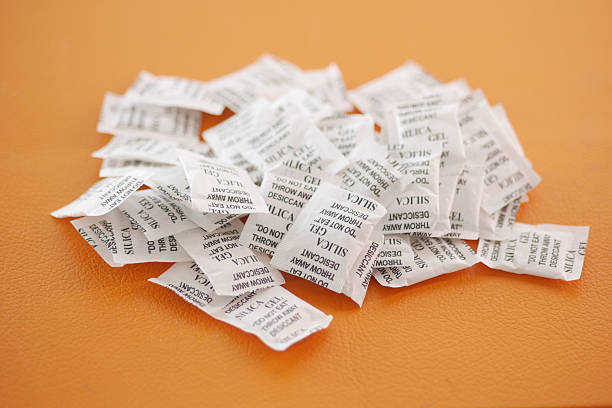
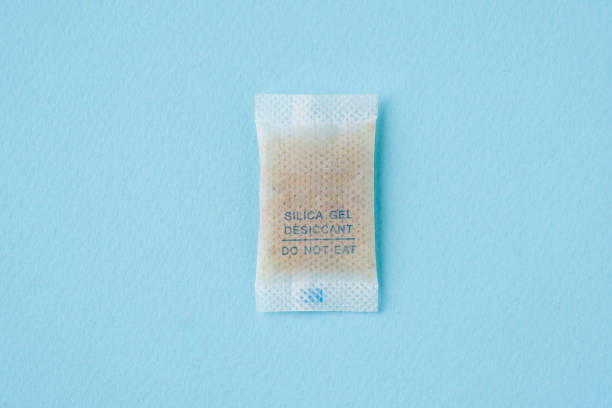
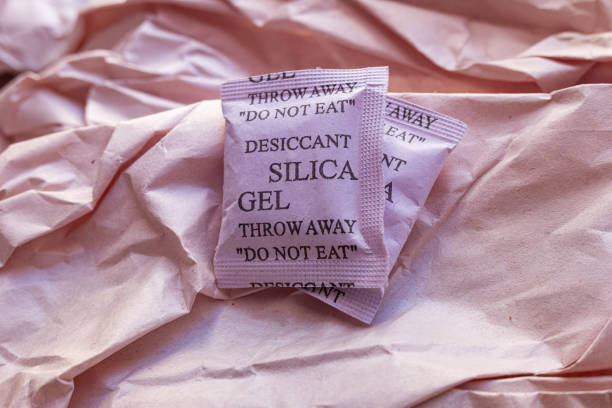
Anyone who has ever opened a box of new shoes, electronics, or even a bottle of vitamins probably knows those tiny packets labeled “Do Not Eat.” Silica gel packets look harmless, but their job is pretty important for anyone bothered by musty smells or worried about damaging moisture. I’ve found these packets tucked in the corners of old camera cases and inside toolboxes in my garage—usually after noticing how fresh everything still felt inside. A few years of living in humid apartments, fighting mildew in closets or saving seeds for the next garden season convinced me: those tiny packets aren’t just throwaways. They fend off moisture and help prevent mold, clumps, and rust.Anyone trying to find silica gel packets for home, crafts, or storage projects quickly realizes they don’t show up in the average grocery store, but that doesn’t mean you have to rely on online orders. Arts-and-crafts shops and hobby stores, especially chains, often keep small packs for flower drying or resin work. It’s not unusual to spot them near the floral section or among jewelry-making supplies because they help keep projects bone dry. Hardware stores with a strong focus on tool or gun care sometimes stock them among dehumidifiers or gun safes. Years spent maintaining a workshop taught me hardware aisle staff usually know what silica gel is for, and they don’t mind opening a case or pointing out where to look.Anyone looking to buy silica gel in bulk often seeks out packaging supply companies, farm supply shops, or even aquarium shops. Factories and shipping businesses buy these in bags that weigh several pounds, sometimes big enough to refill hundreds of small packets. From personal experience, these bulk suppliers prefer selling to businesses but often don’t mind a regular customer walking in and asking for a single bag. Some food storage outlets—especially those focused on long-term emergency supplies or freeze-drying—sell larger packs that are heat-sealed and labeled for keeping flour or jerky dry. They’re marketed to home canners and people who store grains in large buckets, and I’ve found these to be as reliable as anything pulled out of a new electronics box.A lot of folks wonder if picking silica gel packets out of old shoeboxes or electronics is good enough. Over the years, I started collecting these every time I came across them. After drying them out in the oven on low heat, they’re just as effective as new ones. It’s surprisingly easy to build a little stash at home. Local shoe stores, camera repair shops, or computer repair outlets sometimes toss these packets by the handful, especially after reboxing gear. All it takes is asking politely or scouting their waste bins during a run to the mall. I once obtained a year’s supply for seed saving from a couple of friendly staff at a local electronics store after explaining my plan.It’s easy to forget that, while silica gel isn’t toxic, the packets sometimes contain dyes to signal when they’ve absorbed too much moisture. Orange or blue packets turn green or pink especially in closed containers, and that’s your sign to recharge or replace them. Growing up, no one talked about desiccants at home, but after researching for woodworking and food storage, I looked for trusted supply houses or stores that labeled packets as food safe. The U.S. Food and Drug Administration recognizes plain, undyed silica gel as safe for use with edible goods, and leading industrial organizations list it for safe use in toolboxes or gun safes. Experience taught me that generic packets work well for shoes and storage bins, but if I’m using them for seeds, dried herbs, or backpacking food, I stick with packets labeled “food safe.”If silica gel proves hard to find, alternatives like bentonite clay—sold as cat litter—or calcium chloride, which fills many dehumidifier cartridges, can provide similar moisture-absorbing power. I’ve learned to stash open jars of clay in closets or at the bottom of storage bins in a pinch. Still, silica gel wins out for reusability and ease of use. Tossing the packets in the oven at low heat revives them over and over. Home experiments taught me that, for the price and convenience, it’s hard to beat the effectiveness of these packets, especially since they don’t leave a mess and slip almost unnoticed into any container.Tiny silica packets deliver real impact in daily life, whether you’re fighting mildew in closets, keeping flour dry, or protecting camera gear from humidity. I keep a bowl of them near the entryway and tuck a packet inside grocery bags with mushrooms to extend their shelf life. For anyone serious about long-term storage or mold prevention, building a habit of collecting, recharging, and placing silica gel throughout the home pays off. Buying in bulk saves cash over time. For folks who prefer a local option, cultivating relationships with hardware and hobby shops, or gently asking for leftovers at repair stores, opens up more opportunities than many expect. In a world where moisture ruins so much, these packets offer a simple, reusable form of protection.

What stores sell silica gel (Walmart, Home Depot, Lowes, Target, Michaels, pharmacy, GFS, USPS etc.)?

What stores sell silica gel (Walmart, Home Depot, Lowes, Target, Michaels, pharmacy, GFS, USPS etc.)?

Walk around any big-box store and you’ll spot rows of cleaning products, bins of seasonal candy, aisles stacked with power tools. You don’t see the little white packets labeled “Do Not Eat” tucked inside those new shoes or the pill bottle you just bought. Yet people keep looking for silica gel—sometimes out of need, sometimes out of sheer habit—coping with wet basements, musty photo bins, or camera gear left vulnerable in a Midwestern summer. Most folks don’t want to spend hours scrolling through Amazon or calling specialty science suppliers just to keep their keepsakes or electronics dry.Get a little inquisitive at stores like Walmart or Target and the usual response goes along the lines of, “What’s that?” or “Maybe over by the hardware section.” The reality is these stores stock every flavor of dehumidifier, every iteration of odor absorber, but silica gel doesn’t get its own endcap. Instead, you see DampRid, baking soda, kitty litter, and sometimes “moisture absorbers” in the laundry aisle or tucked by shoe care. In my own experience, the actual plain silica gel packets—the kind you grab from new product boxes—rarely sit on store shelves in either Walmart or Target. If I ask a staff member at Home Depot or Lowe’s, they often direct me to the dampness-mitigation area, yet there I find much larger-scale solutions. For the average hobbyist or someone tossing out packets after opening them, going in person remains a frustrating, often fruitless experience.Art supply stores like Michaels stock everything from resin to craft-grade sand, but nothing labeled clearly as “silica gel desiccant.” You might stumble across flower-drying silica, which looks similar but almost always contains crystal additives meant for color preservation. That works for preserving a bouquet, not for keeping a camera lens dry or salvaging a soaked phone. Pharmacies—CVS, Walgreens, Rite Aid—don’t stock these packets on shelves, and staff tend to look uncertain when questioned. They might suggest asking at the pharmacy counter, but any supply they have stays reserved for prescription medication shipments, not for direct sale.People sometimes assume pharmacies offer an easy supply of these packets, yet regulations around medication packaging get in the way. In my own attempts, pharmacists politely declined to hand any over, citing company policies or FDA guidance. The packets inside pill bottles serve a purpose for stabilizing shelf life and moisture, but once they’ve landed in retail hands, they aren’t reusable on the scale people need for home projects or storage.For photographers, coin collectors, or sneakerheads hoping to keep things dry, this means scrounging in old boxes, checking the bottom of shipping envelopes, or buying garage-sized bins of DampRid. Some have turned to bulk restaurant stores, like Gordon Food Service, in search of big packs, but those stores rarely carry anything except products for kitchen use, and their staff generally have no idea what silica gel is outside of kitchen applications. Other retail shipping spaces, like USPS or UPS, don’t sell silica gel at all. Postal locations focus on standard mailing supplies, boxes, tape, bubble wrap, not moisture control. It’s a missed opportunity, considering how much damage can happen between warehouse and mailbox. Small businesses who care about their shipped goods either bulk order packets online or build the extra cost into their packaging.It’s worth asking: with such wide everyday uses, why do these packets stay stubbornly difficult to find where people shop? Part of the problem lies in perceptions—most shoppers don’t think of desiccants until they’ve already opened a box and thrown one away. Big retail buyers see silica gel as background utility—part of the packaging, not a product to be sold on its own—so even the biggest chains overlook it. This creates hassle for artists, DIYers, photographers, or anyone living with high humidity. Product manufacturers make sure every pair of shoes or new TV comes with a packet, yet after that, the trail runs cold.The answer won’t come from just asking “which store” like it’s a matter of picking up milk or lightbulbs. Retailers would do well to add small packs of silica gel to hardware aisles or even checkout displays. The cost is low, demand (though niche) persists, and people already buy similar products with less function. Specialty packaging or smaller containers—sold at hardware chains or art stores—could bridge the gap for hobbyists who want just a bit more control over their storage. Online, of course, there’s no shortage: everything from big bags on eBay to tiny packets on Amazon, shipped quickly, sometimes with the risk of counterfeit or mislabeled batches. Yet that solution suits the patient, not the person who needs it today—someone staring at a wet smartphone, or sealing a plastic photo box before a rainstorm hits.People will keep improvising with silica gel—raiding old boxes, scavenging from electronics packaging, even trying to reuse packets from shipping containers. Anyone tackling humidity problems at home knows that a handful of these packets can protect sentimental or expensive gear as well as any gadget in the hardware aisle. Retailers and distributors could do more by offering these directly—alongside batteries, sponges, and mothballs instead of hiding them in the shadows of their back rooms or supply chains. At minimum, an aisle sign or search-friendly product listing would spare a lot of frustration, especially for those living with damp or storing valuable memories.