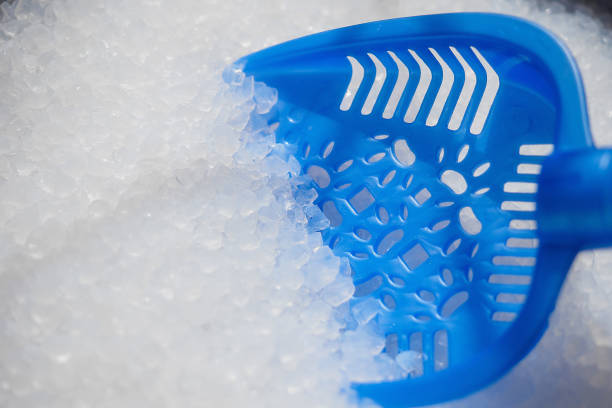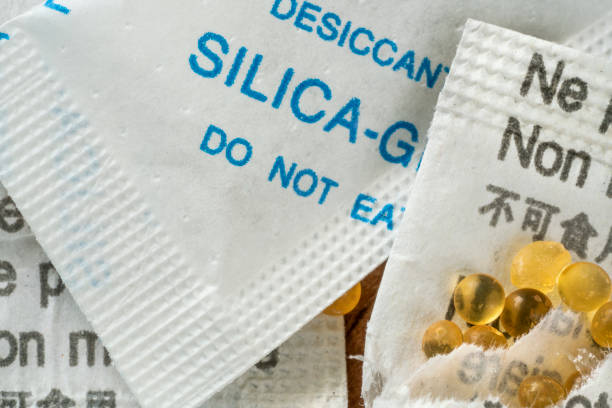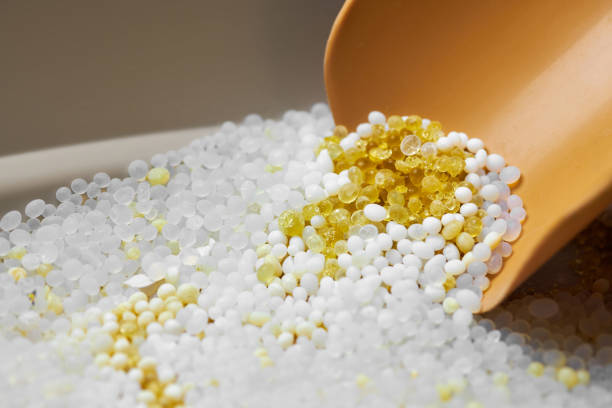
Is silica gel natural or man‑made? Is it amorphous / acidic / organic / inorganic?

Is silica gel natural or man‑made? Is it amorphous / acidic / organic / inorganic?

Over the years, I’ve lost count of the tiny white packets that tumble out of shoeboxes or cracker tins. The phrase "Do Not Eat" jumps out in black, but nobody ever stops to think about what’s behind it. I wondered about this myself the day my nephew asked, “Is this stuff natural? Or do they make it in a lab?” All kinds of myths circle around silica gel—some folks even say it’s toxic, or a weird sort of chemical trap. In reality, the truth sits just behind a layer of gritty simplicity.Silica forms all around us. Think about sand, the glass in your windows, and even the minerals underfoot: all built from silicon dioxide, or SiO2. Silica gel doesn’t grow on trees, but its roots trace back to this basic substance. The manufacturing process starts with sodium silicate, a compound made from sand and soda ash, which then gets treated with acid. This step pulls out water and leaves behind a maze of porous silica. So, while Mother Nature supplies the base ingredients, creating silica gel demands a push from industry. There’s something funny about this mix—nature hands over the building blocks, but human hands craft it into the form that soaks up moisture and keeps sneakers dry. Sometimes I find that’s true for other things, too; we take what the earth gives and change it, sometimes for the better.Hold a bead of silica gel up to the light and you won’t see any sparkle or straight lines. That’s because the atoms inside these beads don’t line up like soldiers. They fall into place like a pile of marbles, all jumbled and random. Scientists call this “amorphous.” Crystals have order, and plenty of rocks show off clean angles and edges, but silica gel doesn’t. This tangled chaos means there are extra spaces, and those gaps snatch up moisture, trapping it inside. If you’ve ever left bread out on a humid day and watched it go stale, you’ve seen what water in the wrong place can do. Silica gel keeps things dry because of this messy structure.I used to think anything dry that felt like sand must be pretty neutral. Turns out, pure silica sits close to the middle on the pH scale, so it’s not out to burn your fingers or melt plastic. Some types might carry a slight acidic tilt if their surface gets a certain treatment in the factory, but that’s not the norm in most packets floating around homes or stores. Plenty of folks also confuse silica gel with the sort of thing you find in chemistry class—some kind of funky carbon compound. That’s not the case. Organic chemistry chases after things built with carbon backbones, the literal stuff of life, but silica offers no carbon atoms at all. It’s about as inorganic as beach sand, more at home with rocks than raisins or rubber. As a science teacher, I’ve seen kids toss these packets aside without a second thought. But once, a student brought in an old book that had survived a flood. Silica gel packs worked quietly, sucking dampness from every page. Museums count on it to save artifacts, and even delivery trucks use it to keep electronics safe on rainy days. Water can ruin medicines, short out microchips, or leave stains that never disappear. Tossing in silica gel seems like a small step, but shows the power of careful science and thoughtful engineering. In a world hooked to smartphones and smart fridges, even the smallest particles play their part. Ignoring them misses a lesson in how chemistry and industry punch above their weight.There’s a growing push to recycle and cut back on one-off packaging. Even silica gel falls under the microscope. As people hunt for greener solutions, I keep my eye out for alternatives that do the job without extra waste. Some companies now experiment with plant-based moisture absorbers or containers that can be recharged under the sun. For the moment, nothing beats the efficiency and reliability of silica gel for knocking back humidity in tight spaces. The next breakthrough may come from somewhere unexpected, but knowledge about basic materials like this shapes how people tackle bigger challenges. Every conversation, whether in the classroom or at the kitchen table, helps spin new ideas and scrapes behind the assumptions people carry around.Calling silica gel either natural or man-made draws a line through a blurry landscape. Its story winds through fields, factories, and homes, touching geology, chemistry, and care for things we want to keep safe. The labels slapped on the packets only tell half the story. There’s power in pausing, reaching past knee-jerk reactions, and asking tough questions about the things people use every day. The answers might surprise you—and they just might inspire the next solution that keeps our real treasures safe and dry.
What does silica gel look / smell / taste like?

What does silica gel look / smell / taste like?

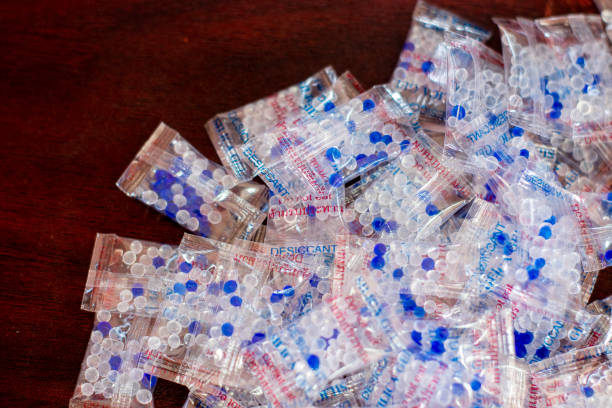
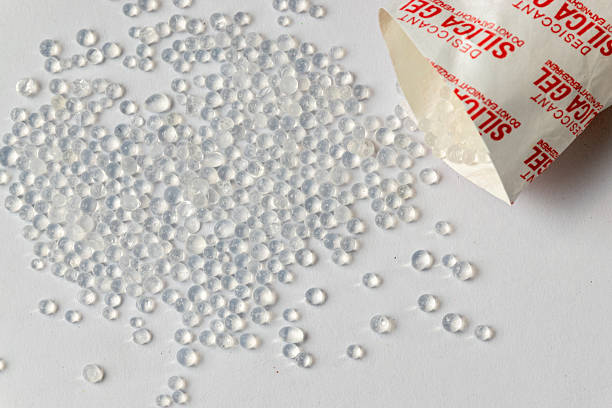
Everyone who has opened a box of new shoes or electronics has run into those small sachets stamped with dire warnings: “Do Not Eat.” The little packets hold silica gel, a material some folks might poke or sniff out of curiosity. Silica gel looks a bit like tiny clear or white beads—the kind you could easily confuse with plastic pellets used in arts and crafts. Sometimes they seem slightly frosted, rolling around in the packet without much weight or obvious purpose. People working around packaging or storage zones see these a lot; I remember pulling them from my old toolbox, snack packets, and even vitamin bottles. That texture brings to mind mini glass marbles, and you can’t help but wonder if this stuff serves any use besides keeping vague promises of freshness.You can’t smell much from silica gel, even if you take the packet and give it a cautious whiff. I’ve tried this before out of curiosity and got nothing for my trouble—a faint trace of cardboard maybe, but never any kind of real scent. This isn’t surprising if you look at what silica gel actually is: a form of silicon dioxide, almost like highly porous sand. Because it doesn’t have volatile oils or compounds, it skips out on any actual aroma. It’s funny how something so present in our lives carries no defining mark on the nose. Folks in food processing or storage probably appreciate that. No one wants to open a bag of crackers and get a blast of anything except the food itself.People sometimes talk about what things taste like, but this is one mystery best left unsolved. Silica gel isn’t food, plain and simple. I’ve read medical journals and checked government health agency guidelines—swallowing it usually won’t poison a person, but the warnings exist for a good reason. Eating those little beads can irritate your gut, especially for kids and pets. Sometimes packets include chemical moisture indicators, which means you don’t just have the risk of rough-textured sand pieces, but also colored compounds best kept away from anyone’s mouth. Responsible adults keep these out of reach for children or toss packets into the trash straight away, since there’s absolutely nothing to be gained from treating them like candy or a snack.The importance of these packets shows up anytime moisture threatens the things we all take for granted. Anyone in a humid climate understands cardboard buckling, electronics shorting, or shoes smelling musty just days after opening. Silica gel solves problems before they start by trapping water vapor inside millions of internal pores. That means the new phone, camera lens, or even the seasonal winter boots stay dry in transit and storage. Moisture not only annoys consumers but encourages mold, warps book pages, rusts metal—simple problems that cost companies millions to fix. So, from a quality control standpoint, small beads like these make a big difference. The packet never grabs attention for what it preserves, only for the rare risk if someone ignores common sense.I studied some technical reports from packaging experts and what stands out isn’t magic or complicated science, but practicality. Products travel far—across continents and climate zones. Customs officials and freight workers don’t care about what accessory hides in a box if the main item shows up clean, dry, and safe from the elements. For museums and rare book libraries, people actually refresh or bake silica gel to keep it working for years, showing how simple solutions sometimes turn out to be best for long-term protection of things we all value. Solid engineering outperforms gimmicks, and for every viral post about “life hacks” using these beads, staff trained in preservation stick with scientific method and measured routine.As with many things, misinformation lingers online. Some folks believe these packets contain toxic chemicals on purpose, or that the silica itself will poison them at the first touch. Good judgment gets lost in the mix. The reality is more straightforward—most of the risk comes from choking, not chemical harm, and those rare packets that change color often do so with cobalt chloride, which isn’t safe to ingest. Here responsibility needs stronger emphasis, especially from brands that benefit from clear labeling and public education. Governments can help address any accidental exposures by supplying clear data to poison control centers and pediatricians. There’s a way to balance precaution with practical use, and it starts with direct, honest information that doesn’t set off unnecessary panic.Silica gel shows up so often in daily life that people mostly ignore it, except when the warning labels grab their attention. It works quietly, protects our things, and doesn’t smell or taste inviting for good reason. Personal experience nudges me toward a simple takeaway: not every unfamiliar item demands worry, but every household benefits from understanding what comes into our homes. There’s wisdom in packaging—and an everyday reminder that curiosity deserves a dose of caution, especially with tiny, part-science, part-mystery packets found side by side with the things we love.

Is silica gel a drying / desiccant agent?

Is silica gel a drying / desiccant agent?

Inside almost every new shoebox or electronics package, there’s a small packet printed with a stern warning—”Do Not Eat.” Most people toss these aside without a second thought, never wondering why they keep showing up in so many products. The contents of those little packets are called silica gel, and, despite the name, they look more like coarse sand or tiny beads than gel. These unassuming granules hold an important job: they pull moisture from the air, helping to keep all sorts of things dry. The reason products like cameras, vitamins, handbags, new clothes, or even jerky come with these packets comes down to the way water vapor stubbornly creeps in where it isn’t wanted. I first became aware of their quiet power after finding one tucked away in a box where I kept family photos. The colors in the photos stayed strong, and not a hint of mold appeared, even in a humid attic. That may sound simple, but humidity messes up much more than photos—in medicine cabinets, it can shorten the shelf life of pills and affect their safety; in a warehouse, it can make electronics fail or create rust on tools.At the heart of silica gel’s usefulness is its ability to pull moisture out of thin air. The science behind this is straightforward: each grain is riddled with millions of microscopic holes and surface area that can grab up and trap water vapor. The beads don’t dissolve or turn goopy; they just hang onto that water tightly. This is different from other drying agents like salt or rice, because silica gel doesn’t itself get soggy or break down easily. In the industrial world, it shows up everywhere—from massive transformers to cargo containers. In my own experience, I’ve seen silica gel packs refresh the taste of dried snacks long past the “best by” date and keep spare batteries from corroding in my junk drawer. Silica gel isn’t toxic, although the warning labels exist mostly to stop people or pets from swallowing the beads by mistake. In truth, the risk comes not from the silica itself, but from the packet being a choking hazard.Moisture threatens goods at every step—while getting shipped across continents, stored in stuffy closets, or even sitting in a medicine bottle. Excess water vapor creates a perfect breeding ground for mold, mildew, bacteria, and spoilage. When you look at the data on spoilage in the food supply chain, loss from improper storage totals up to enormous amounts of waste every year. The right drying agents keep pills potent, artwork crisp, and shipping containers free from moldy smells. In daily life, I have also seen this at work with hearing aids: those tiny electronic parts fall apart quickly with even a hint of moisture inside the battery compartment. Keeping a silica gel pack in the case pushes off expensive repairs. In places where humidity soars, like coastal states or rain-heavy cities, silica gel is almost the only thing standing between your favorite book and a musty, wrinkled end. Over time, these packets can “fill up” with moisture. Some versions come with colored beads that change from blue to pink, signaling it’s time to dry them out in an oven and get another round of use.There’s a bigger question here, one about waste and safety. Many people never think twice before throwing out silica gel packets. I have learned to keep a small stack handy for protecting everything from family documents to half-empty spice jars. Recent years have brought a push to make packaging more sustainable and less disposable, and the habit of tossing out drying agents fits right into this problem. Factories have begun testing larger reusable or biodegradable versions, and new research explores whether other natural desiccants, like clay or starch-based materials, can stand up to the efficiency of silica gel. In my own house, reusing the packets in toolboxes and even in my gym bag slowed the spread of funk. This comes with a routine: giving the silica gel time in a warm oven to push out trapped moisture, making it work again and again.Looking at the big picture, silica gel changes the way we store and ship all kinds of goods. Its ability to protect valuable things from rot and rust plays a part in reducing waste, saving money, and guarding against disappointment. Using what’s so often ignored as trash gives it a second life, helping every household do more with less. People can take small steps—saving packets, sharing them, even posting up reminders online about how to reuse or safely reclaim them. These efforts save not just a few keepsakes but entire supply chains from slow ruin, and they teach a little more respect for the chemistry sitting quietly atop shoe paper or lodged in a vitamin bottle. Sometimes, the battle against moisture begins with just a handful of sand in a paper packet—working silently to keep the world a little drier.

How does silica gel work? How does it absorb / adsorb moisture?

How does silica gel work? How does it absorb / adsorb moisture?

Picture this: you pull a new pair of sneakers out of the box and toss that little pouch labeled “Do Not Eat” into the trash. Most people never think twice about it. Having spent years bouncing between rainy climates and hot, sticky apartments, I’ve come to respect those little packets. Moisture creeps in when you least expect it, leaving moldy shoes, warped instruments, and soggy snacks. The unsung force guarding against this: silica gel. You find it in all sorts of products, from electronics to vitamin bottles, because the fight against moisture is relentless, and silica gel punches above its weight.The science is simple yet clever. Silica gel isn’t really a gel—more like a solid made from silicon dioxide, the same stuff that forms sand and quartz. But instead of being packed together, the grains have a tangled, cavernous structure full of tiny pores. These pores create thousands of hiding spots for water vapor. Air passes by, water molecules get caught on the rough surface, and don’t escape easily. It’s called adsorption—not absorption. That “d” instead of a “b” matters. Instead of soaking up water like a sponge fills with liquid, silica gel grabs water molecules right out of the air and holds them tightly on its surface. This keeps things around the packet dry without ever getting soggy or leaking. Tiny bags of silica can hold a lot of water for their size, which explains why manufacturers use them in everything from camera equipment to packages shipped overseas.If you’ve ever tried to save a cell phone that got dunked in water, you’ve seen people suggest throwing it in a bag of silica gel packets. That’s no urban legend. As someone who once ran a small eBay side gig shipping electronics, I learned the hard way that moisture can be a business killer. One wet day sitting near an open window can wreck an entire box of circuit boards. Silica gel doesn't perform miracles, but it slows down mold, rust, and spoilage. The packets show up everywhere, not because companies are simply copying each other, but because they work. Pharmaceuticals lose potency when humidity climbs. Food gets soft, grows mold, and turns stale. Even a new bicycle or leather bag can arrive ruined if moisture gets in during shipping. Silica gel acts like an insurance policy. People rely on it far more than they realize until it runs out, and damage creeps in.Nothing is perfect, and silica gel isn’t an exception. It isn’t reusable forever. Eventually, all those pores fill up, and the packet stops working. Most folks just toss the used packs, which adds up to a lot of waste considering how often they’re used. In some labs, people “recharge” silica gel by drying it out in an oven. In theory, this works several times, but the average person doesn’t check their packets very often, and usually, they end up in landfills. That pile of little bags represents a waste and an environmental headache. Companies have started looking at safer, reusable alternatives, including new minerals with a bigger appetite for moisture or designs that signal when it’s time to change them out. We also have to get better at safe disposal—silica gel is non-toxic, but the dyes or indicators inside some packets can be harmful if pets or kids get curious. There’s room for innovation, especially as online sales and complicated supply chains grow.It’s easy to dismiss these little packs as afterthoughts, but moisture control will only matter more as products travel further and climates change. I’ve watched the weather swing from bone-dry winters to humid, sticky summers, and seen gear ruined or preserved based mostly on whether one of those tiny packets was left inside a case. Industries lean on silica gel every day, especially those delivering sensitive electronics, vintage books, or medicine that can’t tolerate dampness. From home pantries to worldwide shipments, ignoring the humble silica gel packet can mean ruined goods and money lost. Any practical solution for the future will have to balance performance with real environmental costs, but for now, silica gel gets the job done better than anything we’ve come up with in bulk. Let’s give credit where it’s due—sometimes the smallest, most overlooked pieces in the box keep everything else working.

Does silica gel absorb water / humidity / odor / smell / oil / oxygen?

Does silica gel absorb water / humidity / odor / smell / oil / oxygen?

Everyone has pulled a silica gel packet out of a shoebox and wondered about its purpose. Before tossing it in the trash, maybe you paused to read the “Do Not Eat” warning and shook your head at yet another example of mysterious packaging. It’s easy to overlook those little packets, but they tell a much bigger story about battling moisture in daily life, especially given how so many different products react badly to too much humidity.Silica gel has been around for over a century and carries a reputation as the go-to desiccant for people who want to keep things dry. The truth: silica gel absorbs water vapor, and it does this remarkably well compared to most porous solids. Each tiny bead or granule creates a network of microscopic pores—think of a sponge for gases rather than liquids. That’s what makes these beads so effective. Once, a camera lens in my bag survived a sudden rain spell because a few desiccant packets saved it from fogging up inside. The science matches the experience: each gram of silica gel can lock away roughly 40% of its own weight in water vapor. This isn’t magic, just chemistry and the way porous solids work when surrounded by humidity.It surprises some people to find out silica gel doesn’t fix all storage problems. Despite what common sense might suggest, the main action for silica gel is all about water. Most household or commercial smells come from volatile organic compounds. Silica gel has some surface area for adsorbing molecules, but typical packet-grade beads don’t soak up odors the way activated charcoal does. Some folks try to deodorize gym bags or lunch boxes with spent silica packets and then end up disappointed. The performance simply doesn’t match because those pesky compounds float along wetter air, but their chemical structure doesn’t always fit into silica gel’s micro-pores.Claims float around about silica gel’s ability to absorb oils or trap oxygen. Practical experience shows neither holds up very well. Oil is too viscous and occupies much larger molecular space than water vapor, so silica’s pore structure won’t accommodate it. If you spill salad dressing into your purse beside a packet, it’s going to remain a greasy mess no matter how many beads you pile on top of it. Oxygen control is another matter. Food packagers use clay-based or iron-based absorbents when they want to remove oxygen and extend shelf lives. Silica gel doesn’t have the chemistry for it. The industry knows this, so packets designed for food or electronics almost never make claims about oxygen trapping.Anyone living in a humid region gets a crash course in why moisture management counts. Mildew growth, spoiled electronics, and musty-smelling books quickly turn from minor irritations to costly problems once warm, humid air gets a grip. The health world talks a lot about mold spores that thrive in poorly ventilated, damp storage. Silica gel’s simplicity gives folks one tiny, affordable line of defense. It’s not infallible, but in my home it makes the difference between opening a box of precious photos to crisp, sharp prints rather than wavy, ruined edges. Families and small businesses don’t need high-tech monitoring; they need tools that keep things safe as seasons change.It helps to know that silica gel isn’t a cure-all. For water vapor, it generally works well as long as packets get swapped out regularly. Some companies now print color-changing indicators on packets, which signals time for a change. For odors, folks often combine silica gel with open trays of activated carbon to keep spaces both dry and fresh. If the goal centers on protecting food from spoilage due to oxygen, then using specialist packets marked for oxygen absorption makes more sense. Staying clear-eyed about a product’s strengths keeps disappointment at bay. Combining a few well-known desiccants does more for peace of mind than trusting any single method and hoping for the best.Packaging experts and storage professionals rely on extensive research—hundreds of real-world tests—to narrow down the best approach for each challenge. No one backs silica gel for anything beyond drying out moisture because its performance is tested, quantifiable, and reliably meets expectations. I trust silica gel for shipping musical instruments, cameras, or medication, knowing how unforgiving humidity can be. There’s reassurance in watching a silica packet grow heavier after weeks in use: proof it’s absorbing water, just like the label promised. This simple evidence earns trust, which matters far more than marketing hyperbole or unproven claims.