What aisle is silica gel in Walmart?

What aisle is silica gel in Walmart?

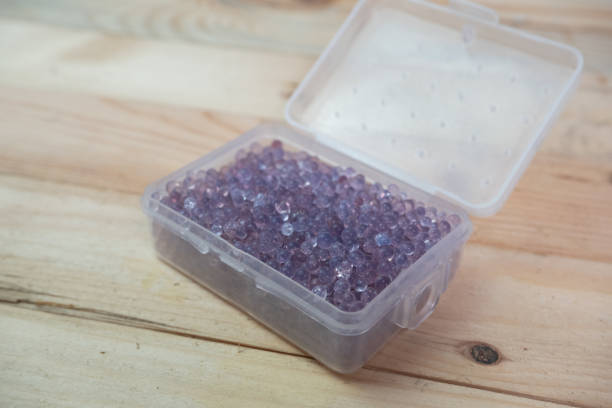
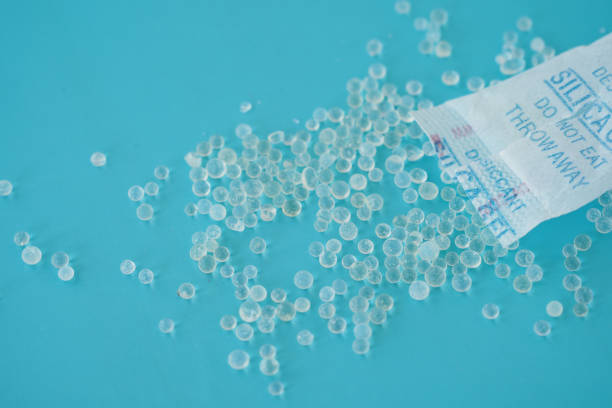
Anyone who's opened a box of new shoes or a bag of jerky knows the humble silica gel packet. Printed with warnings not to eat, these small bags have saved more electronics, snacks, and collectibles from humidity than most folks realize. At Walmart, the question “What aisle is silica gel in?” comes up more often than one might guess, especially for those working in trades, storing family photos, protecting pet food, or just keeping seeds fresh for spring. Yet, tracking down this simple tool in a big store can sometimes feel like a scavenger hunt. In my own experience scouring store aisles, I’ve noticed that silica gel doesn’t have a dedicated spot. At Walmart, I usually find it among home storage products, sometimes wedged between closet dehumidifiers and moth balls, other times mixed in with camera and photo supplies. Retailers don’t seem to agree on one home for silica gel, making the journey more complicated than it needs to be, even for those who know the value of moisture control.Moisture gets into everything. The damage it causes stretches further than spoiled crackers or clumped-up pet food. Mold builds up in basements, damp ruins toolboxes, and electronics can short-circuit from just a little humidity. The Environmental Protection Agency has said high moisture in homes leads to indoor mold growth, which can trigger allergies and worsen asthma, particularly in kids and older adults. In my house, I’ve watched musical instruments warp beyond repair in a muggy room and lost more than one photograph to mildew. For people living in regions with long rainy seasons or hot, sticky weather, silica gel is more than a “just in case” purchase; it’s an affordable safeguard people use to stretch the life of what they own. Walmart serves communities across the country that deal with diverse weather every year. By consistently stocking silica gel and making it easier to find, big-box stores could help prevent waste on a huge scale, supporting customers in saving money and resources instead of replacing fragile items again and again.The trouble isn’t just that silica gel hides in the store. It’s that retailers often don’t signal to shoppers where to look. Walmart’s website might list silica gel under household essentials or craft supplies, yet local stores can place it somewhere else entirely. Too often, people leave without finding it just because there’s no guidance or decent signage. In my own trips, even store associates needed a minute to look up the location. This isn’t about out-of-stock merchandise or complicated restocking. It’s a simple sign—just a word or two about where to find these packets in the sea of aisles—that could spare a lot of wasted time. Most shoppers looking for silica gel are on a mission: storing winter sweaters, prepping camera equipment for a trip, batch buying jerky, or organizing vintage vinyl records. The experience matters more than store policy ever will. Walmart and other retailers can meet people halfway by not treating silica gel as an afterthought.Retailers have a straightforward way to fix this. Shelving silica gel alongside other moisture absorbers and household storage products would keep it visible for everyone. Curating “preservation kits” that combine packets with weatherproof totes or vacuum storage bags would appeal to anyone worried about humidity, from new homeowners to hobbyists. Prominent displays at the start of spring, storm season, or before holidays could highlight its value for storing clothing, decorations, and keepsakes. Clear digital directions in the Walmart app, letting you map a route directly to the shelf, play a big role now that almost everyone carries a smartphone. Even simple shoutouts in store flyers or on aisle endcaps would make life easier for families who need to keep food, medicine, or photos dry. Moving silica gel from obscurity to a place of prominence gives people what they want: time saved, goods protected, and less hassle. Retailers who do this show respect for people’s days, wallets, and the things that matter most to them.Most people who buy silica gel don’t run laboratories. They’re teachers keeping art supplies from turning soggy, gardeners storing seeds for the next planting, or parents protecting baby books in a humid basement. The benefits extend to nearly every household—an inexpensive, non-toxic product that’s simple, overlooked, and tremendously helpful. Walmart and similar stores play a quiet but powerful role in supporting this every day. Supply chains stretch farther than ever before, exposing products to all sorts of climates. As more folks care about reusing what they already have and cutting back on waste, staple goods like silica gel become even more vital. Making these packets accessible just makes sense. From the front of the store to the mobile app, clarity turns a frustrating search into a quick errand, so no one leaves frustrated or forced to shop elsewhere. Investing in better placement and awareness isn’t just good business—it reflects a willingness to serve the real needs that walk through the automatic doors every day.
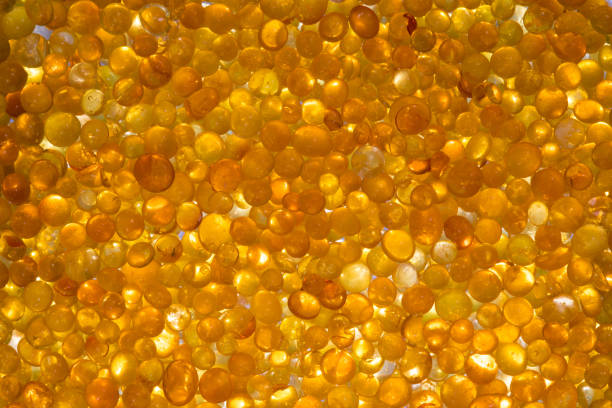
How to dispose / recycle silica gel (packets, beads, cat litter, lab silica gel)?

How to dispose / recycle silica gel (packets, beads, cat litter, lab silica gel)?

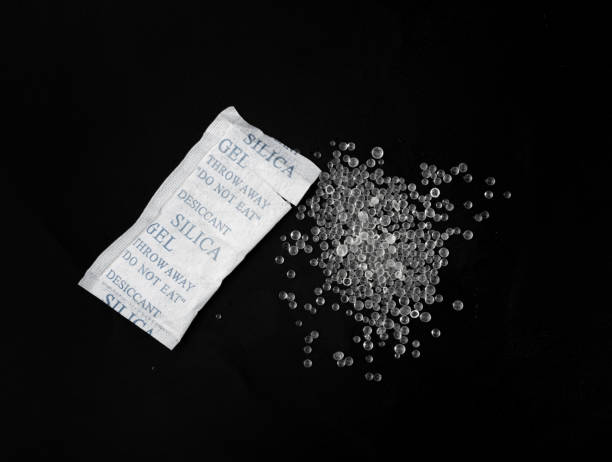
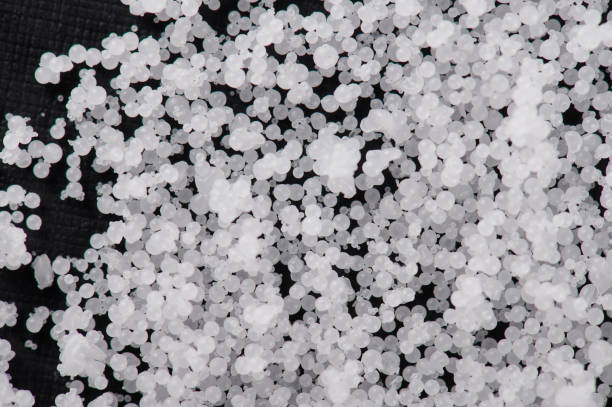
Small packets labeled “Do Not Eat” show up in everything from new shoes to electronics deliveries. They're packed with silica gel—hard, clear beads that soak up moisture better than a paper towel. Most folks treat them like trash and toss them straight out, without a second thought. I used to do the same, until I took a closer look at what really happens to silica gel after it leaves my hands. This stuff sticks around. It doesn’t break down in the backyard compost heap, or melt away at the landfill like a banana peel. The sheer volume matters. Silica gel isn’t some toxic menace, but millions of packets get chucked every week. See enough blue and white sachets filling a garbage can, and it’s tough to ignore.Unlike food scraps, silica gel just sits in landfill. It’s made from silicon dioxide, the same element that shows up in sand, but shaped and processed to be almost pure and very porous. So it hangs on for centuries. It won’t leach poisons or coat the earth in heavy metals, but it takes up space in dumps already gasping for room. Speaking from experience, a wet basement stays dry using recycled silica packets I gathered from work deliveries. Instead of buying new dehumidifiers, I toss a few sachets in the toolbox or closet. It struck me how pointless it seemed to buy “moisture absorbing” products when shoe boxes and snack bags already hand them out for free. If more people did this, there’d be less waste, fewer new packets rolling off factory lines, and lighter landfill loads.Silica gel rarely gets accepted in curbside recycling programs. Local centers focus on paper, metals, glass, and numbered plastics—the stuff that fits machinery built to sort big streams of common goods. Silica packets just don’t fit the puzzle. Sometimes they’re sewn into little cloth bags, sometimes sealed in plastic or paper. The mixed materials trip up sorting machines. No easy money in processing used silica, either. Cities want high-value recyclables; they don’t get paid to wrangle with tiny bags of inert beads. Even if you empty the beads, the raw silica doesn’t have buyers lining up for secondhand product. I’ve checked municipal waste guides in several cities. Most simply suggest tossing packets in the regular trash. Larger volumes, like those from labs, trigger a different story—the rules get stricter once hazardous chemicals enter the mix, yet plain silica gel often gets swept away in the same industrial waste stream.Silica-based cat litter throws another curve. Unlike cute packets, this stuff shows up by the pound or even hundred-pound sack. At home, the only way to get rid of it is alongside other bagged trash. Some animal shelters ask for it as a donation—unused pellets, not used litter. Still, after pets take care of business, both clay and silica cat litter heads for the landfill. The story gets thornier in labs. Silica gel beads soaked in solvents, dyes, or heavy metals shift from “inert” to “hazardous.” Labs need routine waste pickup and strict labeling to stay legal. Companies that handle chemical waste know what to do with saturated silica, since it often absorbs parts per million of whatever experiment went sideways. Medical and research labs must lean on the rules, not the convenience of a workplace trash bin. Even offices want to avoid liability by following safe disposal guidance.It shocks me how few cities talk straight about silica gel disposal. The average person, unfamiliar with the chemistry, assumes they can ignore the environmental footprint of all these beads. Some sustainability-minded folks try creative reuse—tossing packets into storage bins, toolboxes, or gym bags. These hacks actually do help. Fresh silica beads absorb humidity and keep rust, mold, and mustiness away. Even after losing some power, packets protect family photo albums or camera gear. Scuba shops and sports stores sometimes collect used packets and hand them out to customers looking to keep gear dry. If the packet has “color changing” beads, and those beads fade, most brands let you recharge them in a warm oven for a couple of hours. Once dry, silica granules suck up water molecules again like new. This gives each packet months, sometimes years, of useful life before heading to the trash.Instead of hunting for mythical “silica gel recycling bins,” people can keep a small jar at home and toss packets in as they find them. Moving to a new place? Throw a few in every box to keep electronics and old photo negatives safe, and to ward off musty smells. Anyone with leather shoes, guitar cases, or camping gear finds value in dried-up packets. Businesses could run silica gel collection drives rather than throwing everything out. Give dried packets to local schools, artists, or community centers—plenty of teachers love them for science displays, especially showing off how desiccants work. Factories and companies moving serious amounts of silica should work with waste management companies to set up drop-off points so that bigger loads avoid quick trips to the landfill. On the retail front, it wouldn’t hurt for stores to set up clean packet drop-offs for anyone who wants to return them for reuse. The same approach works for shipping centers—mail centers already collect boxes and packing peanuts, so adding a box for silica packets seems smart.It baffles me that few manufacturers seem interested in closing the loop on silica gel. Companies that send out thousands of tiny packets with every product rarely mention what a family should do after that last piece of furniture or box of vitamins arrives. A better system asks companies to include guidance for reuse or safe disposal, maybe even collect packets for restocking or refilling themselves. Regulatory bodies could nudge businesses to buy back empty packets, like the old glass bottle deposit programs. Brands that tout “eco friendly” packaging can’t ignore all the little white sachets that slip through the cracks. I’ve seen a few efforts—some brands shrink packet sizes to reduce waste; others print reuse tips right on the bag. Honest stewardship asks for more. The big challenge lies in changing habits. People don’t see a packet the size of a sugar cube as dangerous, so they don’t think twice about tossing it out. Changing perception, showing why it matters, sparks community-wide behavior shifts.Ignoring silica gel waste might not poison waterways or fill the air with toxins, but the waste adds up all the same. The main lesson I’ve learned is not to throw away anything that still works. Each packet has a second, third, or even fourth life in someone’s home. Sharing packets, storing them, and using them for every bit of their moisture-sucking magic saves money and landfill space. Industrial users and labs hold a special responsibility to keep used silica gel off streets and out of waterways, by following set safety rules for chemical waste. Cities, companies, and citizens all play a role. Not every solution needs to be dramatic. Sometimes, simple reuse and a little old-fashioned neighborly sharing go a long way.

Is silica gel biodegradable / compostable / eco‑friendly / hazardous waste?

Is silica gel biodegradable / compostable / eco‑friendly / hazardous waste?

Most folks spot those little silica gel packets tossed in electronics boxes or inside their new handbag and think not much of it. The tiny beads seem harmless, usually paired with the warning “Do Not Eat.” Few pause to consider what happens after the packet’s job is done. Are the beads gentle on the earth when they go out with the trash? I spend a lot of time thinking about what gets left behind. As someone who tries to keep my environmental footprint small, the idea that a non-food item like silica gel could hang around for centuries sits badly. Silica gel isn’t some rare chemical concoction. It’s made from silicon dioxide — what makes up sand and quartz. Sometimes, because it sounds like a natural mineral, people believe it breaks down in the wild just like leaves or grass clippings. Real-world chemistry begs to differ. Silica gel is tough, rigid, and doesn’t compost—even after spending years in soil. If compost piles were cities, silica gel would be the old timer who sits and watches things happen without joining in. Bacteria and fungi ignore it; worms crawl past. Stories circulate online about whether silica gel is classified as hazardous. FDA and EPA both consider it non-toxic. It’s inert, doesn’t break down under rain or sunlight, and doesn’t leach chemicals. Those facts matter. You don’t have to call in a hazmat crew if you drop a packet. Still, just because it won’t poison your pets or leach into your tomato patch doesn’t make it good for the planet to toss millions of packets into the landfill each week. The packets themselves use single-use plastic. There’s nothing hazardous in an immediate way, but it adds to the great mound of plastics and synthetics that build up in every city’s dump. The beads don’t degrade, they add bulk, and as the packaging sits around, microplastics are another worry. My own compost pile is picky—I don’t toss silica gel into it for a reason. Tests on municipal compost operations show that silica gel can appear fully intact after months of microbial activity. It just won’t break down. Eco-friendly isn’t a yes-or-no label. If we’re blunt, silica gel falls short on two big counts: it ignores the call to biodegrade, and it often wears disposable plastic like a coat. Once I started checking, I noticed how many places it pops up: vitamin jars, bags of beef jerky, tool boxes, and even some medicine bottles. A quick Google search brings up dozens of companies that churn them out for almost every industry. Makers say it keeps goods dry and sturdy. Dryness matters, but many companies opt for silica gel out of habit, not from weighing the cleanest option. Solutions exist that swap out single-use for better routes. I keep packets from shoe boxes and electronics, letting them air-dry, and toss a few in with old photos or camping gear. Reusing, not refusing, makes a dent—at least the beads do more than a single ride to the dump. It’s not perfect, but it’s a step closer to responsible use. Still, not everyone lives life on ‘reduce, reuse, recycle’ terms. Some won’t bother drying packets out; others won’t fish them out of the trash. The challenge goes beyond the silica gel itself: most municipal waste systems can’t recycle the beads or the plastic wraps. That leaves us stuck between overstuffed landfills and wishful thinking.Not all is bleak. For manufacturers and bulk buyers, alternatives keep improving. Clay desiccants and plant-based absorbents show up more often in eco-focused products. These can break down after use, leaving no trace or microplastics behind. Silica gel just doesn’t hold up in this department. Many companies claim the beads can be “disposed of in regular waste,” and that’s legally solid in most regions, but it gives everyday users no real reason to seek something better. If the packaging industry took this more seriously, small switches—like compostable wraps around the beads—would pile up less plastic over a decade. Small changes magnify when millions of units are at stake. Waste issues tie every household and industry together. Turning away from mindlessly tossing silica gel means more than swapping landfill for recycling. Bulk buyers in electronics or food storage can agree to phase in alternatives or run packet returns and reuse schemes. Picture this: retail giants offering drop boxes for used silica gel—easy to return for cleaning and redistribution. Even advertising campaigns showing how to dry and repurpose the packets would help change habits. Change on a small scale builds into culture over time, and more people start seeing waste as a resource. On my own shelf, I keep a jar of used silica packets. Some dry out homemade jerky, others sit with camera gear. Small reuse makes their impact stretch beyond single-use throwaway. If policymakers set clear guidelines, manufacturers would feel the push to shift toward compostable or fully recyclable packaging. I remember when takeout chains started swapping plastic straws for paper ones. Small moves, but multiplied, matter for landfill numbers. Environmental education about what can or can’t compost helps shape smarter waste streams—keeping silica gel out of the brown bin and putting thought back in. Until real plant-based or clay alternatives go mainstream, using less and reusing more helps chip away at the problem. Tossing packets into the household trash might not poison soil, but it still clutters a planet already weighed down by single-use design. Our habits—individually and as a society—tip the scale on what future waste looks like.

Is silica gel bad for the environment? Which bin to throw?

Is silica gel bad for the environment? Which bin to throw?

That tiny packet tucked inside a shoebox or a bag of beef jerky doesn’t draw much attention. It’s easy to toss aside or forget about. Yet, silica gel pops up almost everywhere: protecting electronics, keeping packaged snacks fresh, popping up in vitamin bottles, and scattered across retail shelves in small paper pouches labeled “Do Not Eat.” Most people give silica gel the cold shoulder once the unboxing thrill wears off. But it deserves a closer look, especially since questions about its safety and environmental impact are on more minds every year.Silica gel comes from silicon dioxide, which shows up in sand and quartz. The stuff inside the packet is porous and hard, basically beads that trap moisture. Industries love silica gel because it soaks up water vapor, protecting products from mold, rot, and spoilage. Eating it doesn’t usually cause lasting harm for most mammals, but that doesn’t mean it’s meant for snacks — the real problem is figuring out where these packets end up after doing their job.Lots of folks see the “Do Not Eat” warning and get nervous about hazardous chemicals. Turns out, regular silica gel is chemically inert, without poisons or dangerous fumes. It won’t break down into harmful byproducts in a landfill. That doesn’t mean it’s completely free of worry, though. Some versions come with cobalt chloride, a moisture indicator that changes color. That’s the blue-to-pink type. Cobalt chloride raises red flags: it’s labeled as toxic and classified as a possible carcinogen in some places. If you spot blue beads mixed into silica gel, keep them out of reach from pets, kids, and always treat them as hazardous.Silica gel beads last for centuries and don’t break down in regular landfill conditions. They do not pollute water the same way as plastics or heavy metals, but they stick around — there’s no biodegradation happening with these things. If every household throws out two or three packets a month, that adds up. Multiplied across cities and manufacturing chains, it’s easy to see how the stuff crowds landfill space.Choosing the right bin is trickier than it seems. Most curbside recycling doesn’t accept silica gel packets. The packets are tiny and the paper packaging usually has a plastic lining, which fouls up recycling machinery. They end up in regular trash. That’s not an ideal solution, but with current technology, it’s the only consistent answer most waste systems offer. Compost bins are out of the question, since nothing in the packet will ever break down into soil or nourish plants. Specialty recycling facilities might take silica gel in bulk from businesses, but that’s not an option for the average household.Instead of tossing old packets, new uses might save a trip to the bin. The beads keep toolboxes rust-free and prevent mold in gym bags. Stack them with out-of-season shoes, documents, or photographs and they’ll keep moisture away just as well at home as in a warehouse. Fishers drop them in tackle boxes to save lures from rust, and camera collectors add a packet to gear bags. Every re-use takes a little pressure off landfill sites. Just remember, don’t let packets around small children or pets — they’re still a choking hazard.Manufacturers could shift toward packaging made from truly biodegradable materials so that finished packets are safe for composting or at least reduce their environmental footprint. Some companies already make desiccant packs out of clay or starch-based ingredients, which do the same job with less worry about long-term waste. Shopping choices send a message, too. Fewer individually packaged items would reduce silica gel use. Advocacy for less plastic and more sustainable packaging forces big brands to rethink these “single-use, single-job” products.Ignoring those little packets just adds to the pile in the landfill. Making a habit out of creative reuse, separating them from plastics and food waste, and keeping tabs on what’s in the packet (especially look for the warning if there’s blue granules inside) adds up. Big environmental solutions need large-scale changes, but the choices at home help, too. If more folks push for clarity on disposal, companies and local authorities will catch up. There’s nothing glamorous about silica gel, but change comes from simple daily actions, one packet at a time.

Can I use rice instead of silica gel? Which is better?

Can I use rice instead of silica gel? Which is better?

It’s surprising how many people trust that a bag of rice can rescue a soaked phone or keep a toolbox dry. Tossing electronics in uncooked rice has become a household tip, often passed down with the same certainty as grandma’s chicken soup recipe. I’ve heard family, friends, and even tech forums swear by it. The logic seems rock solid—rice absorbs water during cooking, so it must pull in moisture from the air too. But when electronics get wet, time isn’t always on your side, and sometimes putting hope in the wrong method makes a big difference. Most of us don’t pay much attention to the tiny packets stashed in shoeboxes or electronics packaging. They usually get tossed in the trash without a second thought. But those packs of silica gel beads actually punch far above their weight. Silica gel is a powerhouse at trapping moisture, used not only in homes but also across industries—think pharmaceuticals, museums, even military gear. Every year, companies rely on silica gel to keep products safe from humidity. And there’s plenty of evidence that silica gel can hold up to 40% of its own weight in water. I’ve seen packs pulled from a damp safe after years on the shelf, still performing as intended. Rice pulls in moisture, but only so much and not that fast. Its structure isn’t built for speed or efficiency in drying out precious electronics. Lab tests and field experiments show that rice soaks up some water from the air, but nowhere near what silica gel beads do. Rice does help, especially for storing dry grains in humid regions, but using it to dry phones or keep sneakers fresh means trusting a method that falls short. Every minute counts after a phone takes a swim, and rice just doesn’t move at the pace the situation demands. Most of the water stays trapped inside the device, risking corrosion or permanent shutdown.Devices dropped in water can recover if they’re dried out fast. I once fished a tablet out of a pool and experimented myself: half got buried in rice, half in silica gel packs from old shoe boxes. After two days, the silica gel half worked almost perfectly; the rice attempt, not so much. Researchers at electronics repair brands have run similar side-by-side tests. Silica gel always wins. It’s designed for a specific purpose, one that rice just can’t replicate even on its best day. If you care about the health of your phone or camera, having extra silica gel on hand works better than late-night scrambling for the rice jar.Both rice and silica gel seem cheap and easy to find, but only one is meant for repeat use. Rice can get moldy if it soaks up enough moisture, sometimes creating a new headache with musty smells or unwanted growth. Silica gel lasts longer and doesn’t attract pests. Plus, you can actually recharge silica gel by baking it, so it dries things out again and again. Some companies have started putting out reusable silica gel canisters for home use. They aren’t expensive, and knowing you have them on hand turns a panic moment into something manageable. Anyone with allergies or concerns about food safety also avoids the risk of rice dust getting inside electronics or leaving starch residue behind.Set aside a handful of silica gel packets from deliveries—they’re small enough to stash in camera bags, tool boxes, or even tackle boxes. For special occasions, like a camping trip with a camera or a day on the lake with a phone, bring a sealed bag with a few packets. I’ve gotten into the habit of keeping them anywhere accidental water exposure could lead to damage. Building this habit saves both money and stress over time, especially with how much we rely on expensive electronics every day. Rice helps at a pinch for storing grains and beans, and it can pull some moisture out if nothing else is handy, but it shouldn’t be the main plan for emergencies.It’s tempting to reach for the easiest solution in a crisis, and old home remedies don’t fade without a fight. But as we protect more tech in our daily routines, proven tools make more sense. Fact-checking advice before trust pays off in less stress and more working gadgets. Companies now print “do not eat” warnings on silica gel packs, but maybe they should also say, “Don’t throw away—your phone’s best friend.” Real experience and data both point in one direction: silica gel beats out rice every time. As people learn and share what actually works, those little packets might finally get the credit they deserve.