Why is silica gel used as stationary phase?
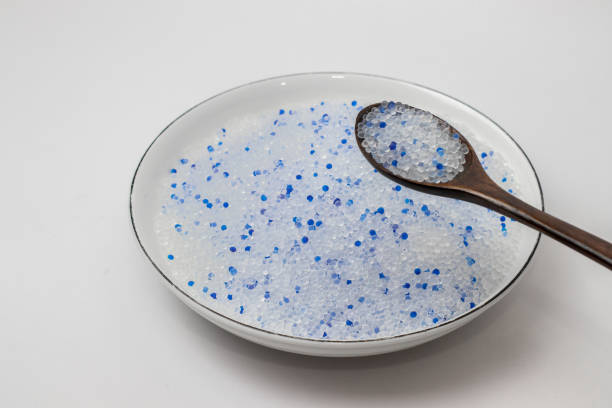
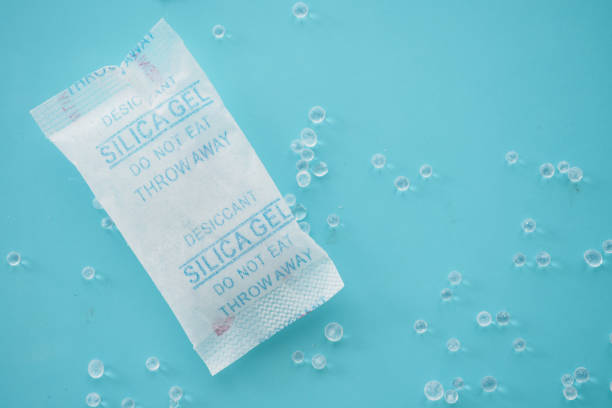
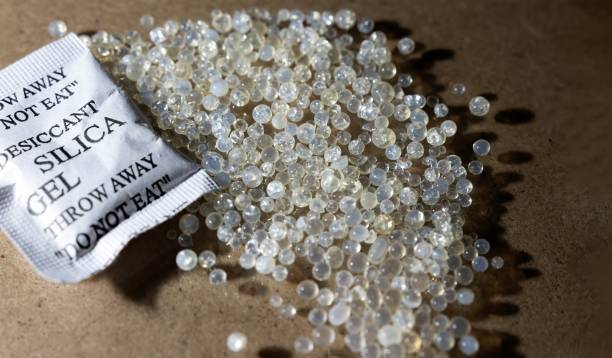
Most people think of silica gel as the small packs tucked inside shoeboxes that say “do not eat.” Behind those warnings, there’s a simple, unshowy material that scientists count on every day. Inside labs, silica gel shows up in columns and plates, playing a lead role in separating mixtures. It shapes the backbone of several chromatography techniques—think of it as a reliable workhorse, not just dehydrating shoes but helping chemists break down complicated cocktails of molecules. After spending years hunched over lab benches, juggling flasks and pipettes, I’ve seen how one compound after another relies on those tiny grains to get sorted out, to show what’s hiding below the surface.Take a close look at that powder. Silica gel packs a world of tiny pores. Its structure forces chemicals to interact in unique ways. In column chromatography, a chemist pours a mixture onto a layer of silica and then runs a solvent through. Molecules jostle against the silica’s surface. Each one sticks differently, so they pass through at different times. That small difference makes it possible to pick out one compound from another—even when the two seem almost too close to tell apart. For drug makers, cleaners, even perfume blenders, this means checking whether what’s in a bottle matches the recipe, or making sure nothing unwanted crept in. Years ago, in graduate school, I spent weeks separating natural products from plant extracts—often the difference between finding something exciting or coming up empty came down to picking the right batch of silica gel and tuning how it was packed into the column.Other substances get thrown into columns, sure, but silica gel keeps beating the competition. It isn’t just about cost or convenience. Silica gives molecules solid ground to grip: its surface bristles with chemical groups eager to grab passing compounds. Those interactions provide enough sticking power for even the most stubborn molecules, but never too much to glue them in place. Chemists can play with different solvents to coax the right molecules off at the right time. Years of practical experience in research labs show how a stubborn mixture can sometimes refuse to separate on fancier synthetic stationary phases, yet march obediently across a well-packed silica gel column. It earns that trust every time the routine test works as expected.Better methods and higher-tech resins make their way into labs each year, yet silica gel keeps its spot through dependable performance and adaptability. Environmental monitoring, pharmaceuticals, oil analysis, even forensic science—many of these fields build their basic protocols around what silica gel offers. The science community trusts it because the process can be learned by newcomers and scaled up for the most significant industrial runs. The reproducibility stands up to peer review and, as I learned with my own hands, helps students understand separation long before they move on to machines that do the work for them. When results must be checked, a run with silica gel gives a reference point no one can argue away.No tool is without faults. Silica gel can break down with harsh solvents, loses steam in strongly alkaline conditions, and precise results lean on careful column packing. Waste from used silica also raises questions on disposal. Green chemistry asks whether future stationary phases could cut down on waste and power needs. For many routine runs, a gentle nudge toward recycling or biodegradable alternatives may soon turn from wishlist to reality in major labs. Researchers already experiment with tweaking the particle size and surface chemistry on silica gel, aiming for even sharper separations and longer reuse cycles. Open discussion in lab meetings and published studies keeps this conversation alive: chemists acknowledge tradition but keep looking for the next step forward.Outside the lab, it’s easy to overlook the basic things that keep science moving. Silica gel leans more toward humble than headline-grabbing, yet its impact touches every drug test, every food safety screen, every field where the difference between compounds spells danger or safety. It has been this way for generations, trusted in hands both novice and expert, quietly holding mixtures apart so science can dig deeper. That kind of reliability earns respect, not just in the data but in the daily grind—where those small, white grains help reveal the truth, one separation at a time.