What dissolves silica gel? How to neutralize it?

What dissolves silica gel? How to neutralize it?

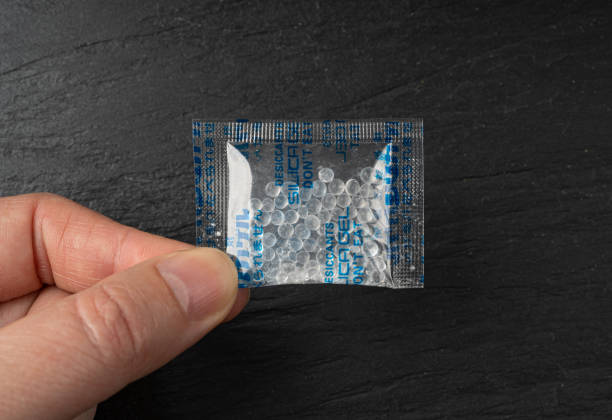
Most people have pulled a small packet labeled “do not eat” from a new shoebox or a pack of vitamins. Silica gel, those odd little beads, works by hoarding water vapor and keeping goods dry. Chemically, it’s made from silicon dioxide, the same compound in quartz, making it hard as rocks—literally. Whether you dump it in water, vinegar, or toss it outside, silica gel stands firm. It won’t melt away, dissolve, or break down like table salt. Water just rolls off its surface. Trying to get rid of it the way you would sugar or baking soda doesn’t work because of the powerful Si-O chemical bonds that form its framework. In my own kitchen, a curious accident with a spilled packet into a cup of hot coffee merely turned the beads opaque, not smaller. That stubbornness comes from silica’s cross-linked network; it’s why sand, glass, and silica gel packets survive so much abuse.A quick search online and someone always tries to recommend hot water, vinegar, or even bleach for dissolving silica gel. None of those work. Only certain very caustic or extreme chemicals eat away at silica gel—think hydrofluoric acid or strong bases under intense heat, both of which are wildly unsafe. I haven’t met a household, lab, or even industrial setting where flooding silica gel with dangerous acids made sense; the risks for burns, toxic fumes, or equipment damage far outweigh any cleanup benefits. Simple acids like vinegar won’t do squat since they lack the brute chemical strength to break those bonds. Ordinary solvents in the garage or under the sink—acetone, alcohol, paint thinner—work on greasy stains, not tough silicate networks. Silica gel’s resilience means everyday mistakes, like accidentally mixing it into trash or compost, don’t suddenly turn your bin into a chemical experiment. Most experiences show there’s rarely any need to “neutralize” silica gel. It’s chemically inert. Spilled on the carpet or mixed into a batch of recycling, those beads just dry out and sit there, not leaching toxins or reacting with household materials. While the label warns “do not eat,” that’s mainly to protect people from choking and not because of hidden poisons. For parents and pet owners, the bigger worry comes from swallowing or inhaling beads, not from some wild reaction with soda, soap, or milk. If the worry boils down to disposal, most municipal waste guidelines classify silica gel as regular trash since it won’t break down into something hazardous in landfills. Anyone worried about kids or pets fiddling with the packets can tape them shut and trash them, since they’ll outlast most garbage and keep busy hands safe.Once silica gel escapes its packet and gets spread around, the trick is basic cleanup. In both labs and at home, vacuuming works best since the beads are often smaller than peas but bigger than dust. Sweep up dry, visible gel. Don’t bother with chemical neutralizers or fancy solvents—no chemical on hand at home will melt it. In rare cases where silica gel dust, not beads, turns up, a damp paper towel or sponge traps the fine particles better than dry sweeping. Labs handle spilled silica gel by brushing it into waste bins; hospital supply rooms follow the same process for any desiccant lost from packaging. Trying to flush silica gel down toilets or drains leads to plumbing clogs, so that route only causes headaches.While silica gel doesn’t poison soil or water in the way lead or mercury do, those beads aren’t biodegradable. Decades-old silica can stick around in soil without ever changing its chemical makeup. I’ve had garden beds scattered with silica gel look exactly the same seasons later. Municipal composting rules usually exclude the packets, not because of poisons, but because the gel won’t break down and could ruin mulch texture. If the aim is to keep landfill waste low, repurposing these packets as moisture absorbers in toolboxes, gym bags, or camera cases works. They can be “recharged” in low-temperature ovens and reused again—one way to cut waste. Otherwise, regular trash suffices, without any need for chemical Neutralization.Industry and researchers keep working on alternatives to silica gel, hoping future packaging will break down harmlessly in landfills or compost bins. Starch-based or plant-fiber desiccants pop up more in eco-friendly goods. Yet, for now, most of the world sticks with silica gel because it’s cheap, stable, and works everywhere from food to pharmaceuticals. Public education, not new chemicals, solves most routine silica gel “problems.” Packet labels that warn about choking risks matter more than fussing over what dissolves the beads. In classrooms and with kids at home, teaching the purpose of silica gel and the right way to handle accidental spills—leave it dry, sweep or vacuum, and bin it—offers the safest route. Rather than wasting time searching for magic chemicals or recipes, safe handling and smart waste disposal deliver real results.
Does calcium carbonate / HCl react with silica gel?

Does calcium carbonate / HCl react with silica gel?

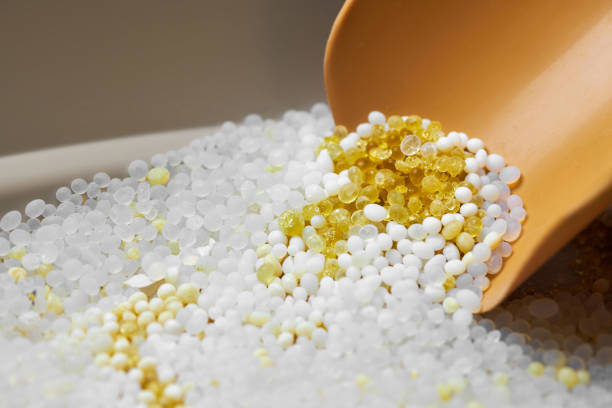
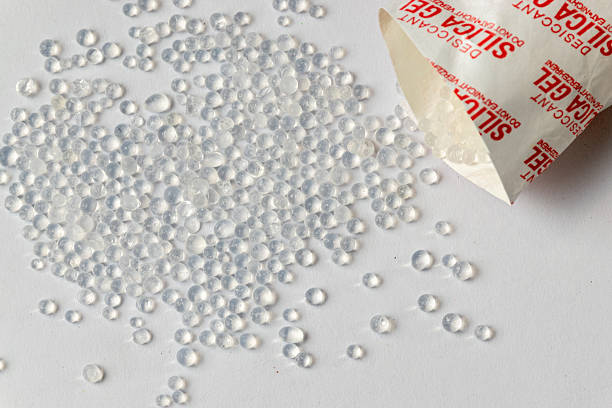
Everyone's seen those little packets in packaging that say “do not eat”—those are silica gel, and they show up in some of the weirdest places. I've always found it interesting how something so common can open up a can of questions. If you’re working with chemicals like calcium carbonate or hydrochloric acid, chances are you’ve wondered if they play nicely with silica gel. Believe it or not, knowing how these substances interact is not just some academic exercise or a trivia night question. There’s good reason to dig deep, especially if your job depends on safe lab work or you care about what happens during manufacturing, cleanup, or disposal. Let’s get into it.Calcium carbonate makes up chalk, limestone, and eggshells. It reacts with strong acids, which is why vinegar fizzes on old marble. Hydrochloric acid enjoys destroying calcium carbonate, creating carbon dioxide, water, and calcium chloride. I’ve poured acid on limestone samples and watched a bubbling show in real time. Silica gel, on the other hand, comes from silicon dioxide, the same stuff in quartz and beach sand. It’s not an active player in most chemical reactions, especially in dry conditions or at room temperature. The bonds in silica are strong—nature designed it so wind and water take thousands of years to etch away at quartz crystals. Trying to break silica down with calcium carbonate or hydrochloric acid at room temperature is like using a feather to chip granite.Why mention this? Too often in the lab—or even when teaching high school chemistry—I’ve heard folks lump “chemicals” together as if they’re all plug-and-play. Hydrogen chloride gas dissolves in water to create hydrochloric acid, and then everyone imagines things just dissolve and mix and fizz. With silica, it’s a different story. I’ve run hydrochloric acid over silica gel in flasks and gotten nearly no reaction unless the gel was already contaminated or exposed to superheated steam. Hydrofluoric acid is a different beast, attacking silica like it’s sugar candy. Regular acids, even something as strong as hydrochloric, leave it alone under standard circumstances. Calcium carbonate doesn’t react with silica gel at all—you could mix both in a beaker and nothing noteworthy would happen, except maybe a mess to clean up.Understanding this helps avoid wasted effort. You won’t speed up the breakdown of a silica gel spill in the lab by tossing in acid or chalk. If someone’s thinking about environmental clean-up or handling spills in industrial settings, these facts matter. Using the wrong neutralizer could cost time, money, and even cause more problems. I’ve seen maintenance workers assume hydrochloric acid will eat away most contaminants. Silica gel won’t budge and can stick around, continuing to cause slip hazards or get into the ventilation. The correct fix? Go mechanical: sweep it up, vacuum it, or manage it like broken glass. Sometimes old-school sweeping is the solution, not a dramatic chemical reaction.A related point: those drying packets in medication bottles or electronics aren’t going to turn toxic or dangerous just because they get sprayed with household acids or come into contact with spilled antacid. They might look different after a spill—they’ll clump, maybe lose effectiveness as a desiccant—but they won’t create dangerous chemical fumes or mess up your day with unexpected products. Knowledge like this reassures worried phone calls from family members who panic about children or pets breaking silica packets and it helps prevent unnecessary 911 calls. In a world where Google offers both great and misleading advice about “chemical reactions at home,” clarity on specifics cuts out fear-mongering.Sticking to facts has another upside—you plan better. If you’re in manufacturing, you won’t waste inventory trying to process silica contaminants with calcium carbonate-based cleansers. If your job means responding to chemical exposures at work or at home, you go straight for the vacuum or the broom, knowing hydrochloric acid isn’t going to save the day for silica spills. Industrial managers can train workers more effectively and avoid unnecessary chemical use, saving costs and reducing risk. Whether you’re in pharmaceuticals, electronics, or just working with kids and arts-and-crafts, tailoring your response to the real chemistry keeps things safe and simple.Beyond this, accurate knowledge builds trust. No customer wants to read confusing or incorrect safety sheets. No parent wants vague answers about what a silica packet will do. Even emergency responders need specifics so misinformation doesn’t create bigger problems. By sticking with the facts—hydrochloric acid doesn’t react with silica gel, calcium carbonate doesn’t either—we help everyone take more sensible, safe actions. Health, safety, and even trust in science get a boost.If there’s a lesson in all of this, it’s never to lump chemicals together or assume every spill is best handled with the same recipe. In the real world, chemicals behave differently, and understanding those quirks saves trouble. My experience has taught me that practical solutions—not just theoretical knowledge—are what count. Knowing when not to reach for the chemical cabinet is as valuable as knowing what reactions do happen. Whether in the lab, on the factory floor, or right at home, a clear-eyed look at the science makes all the difference.

What happens if you boil silica gel?

What happens if you boil silica gel?

Silica gel packs show up in packaging everywhere, from shoeboxes to vitamin bottles. Plenty of people spot the “do not eat” label and toss them out, but curiosity takes over for some. Tossing them in boiling water to see what happens seems like a simple science experiment, but the story doesn’t end with just wetting the granules. Silica gel is basically porous sand, engineered to trap moisture. It thrives in dry environments, protecting electronics, foods, and anything at risk from humidity. Despite looking harmless, silica gel works differently when heated in water than folks expect.People often assume that boiling silica gel might recharge it or somehow bring it “back to life.” In reality, water pouring into the pores of each bead fills it to capacity. Once it’s saturated, boiling forces water into every corner of the material, leaving no room for moisture absorption once it’s cooled and dried at room temperature. Instead of refreshing silica gel, boiling destroys its value as a drying agent unless you then subject it to long oven baking at much higher temperatures to drive off the water. Even with extended heating in the oven, complete reactivation becomes tricky. Silica gel releases adsorbed water gradually, and many home ovens just don’t reach a steady, safe dryness as effectively as industrial equipment does.A lot of folks overlook the potential hazards. Boiling releases any chemicals that silica gel adsorbed in the past. Blue indicating gel historically relied on cobalt chloride, a substance now restricted or banned in some regions for its toxicity. Boiling could leach out some of those residues into water or create microscopic dust, especially if the beads fracture due to rapid thermal changes. Breathing in powder from boiled, shattered beads or touching contaminated water brings risks that aren’t worth the small thrill of experimentation. It gets even tougher around kids or pets, who may think boiled beads are candies or toys. Facts show even silica dust from non-dyed gels can irritate the lungs or eyes. That doesn't get mentioned on most internet “hack” sites, but in daily life, avoiding extra hazards pays off.Reusing silica gel appeals to anyone trying to cut waste and save money. After all, why not regenerate those leftover packets and give them a second life? The reality looks messier. Full reactivation requires dry heat—think 250°F or higher—over hours, not a quick dunk in boiling water. Water simply soaks them, and boiling just agitates that process. In my own experience with camera gear, I tried tossing beads into hot water, only to find them ruined for humidity control afterward. Even after drying them in the oven, they never drew out moisture the same way again. It underlines how small shortcuts often fail with specialty materials, especially those designed for single-use reliability.Instead of gambling with boiling water, a safer route lies in oven drying at a controlled, low temperature if a reactivation attempt must happen. Even then, confirming whether the beads actually return to full function takes careful testing, not just a feeling of warmth. Plus, most modern homes can reduce moisture issues with better ventilation and less dependency on DIY tricks involving chemicals or unfamiliar materials. For folks running into chronic moisture problems, larger electric dehumidifiers or more robust desiccants—sold for refill or industrial use—work better, perform more predictably, and hold fewer dangers. The lesson isn’t that silica gel is useless; it’s that not every hack from the internet deserves a try, especially if it means more risk for less payoff. Dryness matters for protecting gear and food, but safety and common sense top every list for home projects.Silica gel shows up almost everywhere for a reason: it’s reliable at keeping things dry when left alone. Boiling those beads won’t turn them into better desiccants, and the minor science thrill falls flat compared to the health and safety risks. While some chemical knowledge can open doors to creative solutions, not every home project justifies a leap into boiling and hope. It makes more sense to rethink waste reduction efforts, investigate safer alternatives, and invest in better ways to preserve what matters most. In a time when easy hacks tempt with quick fixes, understanding the limits of materials like silica gel helps everyone avoid small problems turning into big headaches down the road.

Will silica gel dye clothes / damage jewelry?

Will silica gel dye clothes / damage jewelry?

Tiny silica gel packets always show up in new shoe boxes, bags, electronics, and sometimes tins of vitamins. Most people probably see the “Do not eat” warning, chuckle, and toss them straight in the trash. Lately, concerns have popped up online wondering whether these silica gel beads can dye fabric or damage precious jewelry. With so many folks looking to protect their closets and valuables from moisture, clarity matters. I’ve plucked them from packaging just like anyone else and wondered if something that absorbs water so well holds any risk at all for things we care about. Silica gel isn’t a gel at all. It’s a dry, sand-like substance made of silicon dioxide, which is what you find in glass, quartz, or beach sand. These little beads don’t do anything fancy; their job centers on soaking up water vapor—a lifesaver for anyone in a humid climate. If you rip a packet, you’ll see clear or sometimes blue and orange grains. The color change comes from an added moisture indicator: cobalt chloride, which turns blue when dry and pink when it’s wet, or methyl violet, which will switch from orange to green. The safety catch lies here. Pure silica gel itself doesn’t stain textiles or corrode metal. On its own, it’s an inert rock, happy to suck up water and mind its business.Moisture remains the true villain when it comes to keeping fabrics and jewelry safe. If you’ve stored winter sweaters in a damp closet or left silver necklaces in a steamy bathroom, you may find mildew spots or tarnish much faster than you expect. Silica gel packets help by keeping the environment dry, slowing down those destructive processes. I once tucked a few packets into my old college backpack and a digital camera case. Years later, fabric and electronics stayed mold-free and fresh. If the beads do spill out, just sweep or vacuum them up. They won’t stain, melt, or do weird alchemy with cotton, wool, silver, or gemstones.A separate worry comes with those colored beads—if blue or orange grains burst free, some question whether these might leave marks or worsen tarnish. Based on plenty of real-world experience and checking research, these beads hold low risk. The indicator dyes exist in trace amounts and rarely leach out dry. To date, scientific studies on the most popular silica gel packets reveal almost no complaints about staining. You won’t find stories of ruined shirts or streaked gold chains on credible consumer forums. Still, avoid grinding them directly into wet fabric, or letting the colored ones sit directly against soft metals such as gold, silver, or pearls for weeks. Dry beads don’t interact, but keeping everything separated helps for peace of mind.Silver owners—especially those who inherit vintage pieces—swear by storing jewelry with silica gel. Tarnish comes from sulfur compounds in the air, sped up by moisture. Silica gel holds back that dampness and slows corrosion. For anyone living in a sticky climate or with no air conditioning, dropping a few packets in the jewelry box extends the shine for months at a time. This trick works equally well for costume jewelry, keeping everything crisp and reducing the chance for cloudy stones or fogged glass. I’ve kept delicate opals and old silver spoons in humidity-controlled pouches lined with silica gel, and the difference shows.Drawbacks come if you source low-quality, off-brand packets from unknown sellers. Some might use additives or dyes outside basic standards. In rare cases, these could transfer to fabric or react if things get wet or hot enough. Avoid this by sticking with packs from trusted retail sources. If you worry about any packet’s ingredients, go for colorless ones. If you spot a ripped, leaking bag inside shoe storage or near fine jewelry, toss it and replace it. Old, saturated gel loses effectiveness anyway. The goal is to keep everything you value dry, fresh, and damage-free. Homeowners and collectors often look for easy answers to the problem of humidity, especially in houses without great ventilation. Potent, simple silica gel packets step up every time, fighting odor, mold, and metal tarnish without strong chemicals or invasive scents. If beads ever burst onto cloth, just brush them off—no scrubbing or specialty cleaner required. Jewelry gains a reliable ally that blocks the steady drizzle of moisture against silver chains, preventing that half-hearted polish job nobody loves doing on a Saturday morning.Experience shows a little planning helps a lot. Spread packets evenly around boxes, drawers, or bins, so nothing sits touching precious heirlooms forever. If possible, swap them out every few months, especially if you live in a climate that seems like the inside of a rainforest. Retrofit old hardwood drawers with a few fresh packets every season, and stash a couple near vintage vinyl sleeves or on shelves full of family photo albums. These tiny beads quietly keep the musty smell and mildew at bay.A final tip—silica gel doesn’t last forever. Once beads soak up enough water, they lose their punch. Watch for color change, which tells you it’s time for a swap. Some people recharge packets by heating them in an oven, letting them dry out and get back to work. For anyone wary of chemicals, that’s a smart, waste-cutting way to stretch utility, keeping the cycle safe and sustainable.Worry about silica gel staining your favorite dress or corroding your grandmother’s locket has little basis when facts sit center stage. Silica gel works as a safe, trusted tool against the damage that comes from living in a damp world. Respect the packets, use them wisely, replace them often, and enjoy the confidence that comes from keeping your closet and keepsakes in great shape year after year.