
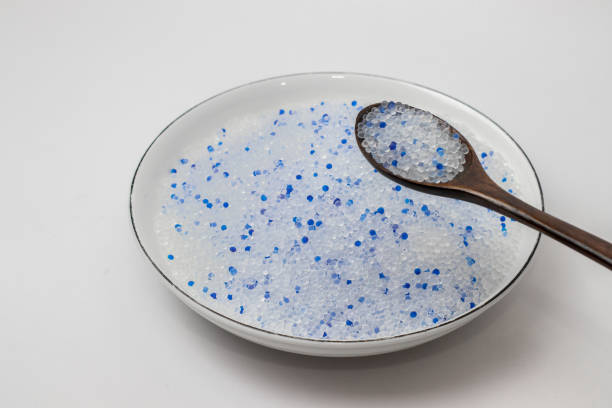
Most people have found silica gel packets tucked in everything from new shoes to the box around a phone. "Do not eat" warnings aside, the little beads draw in moisture and protect valuables from damage. Lately, I’ve seen friends stick these packets inside plastic containers hoping to keep things dry, but very few consider if plastic stands in the way. It seems obvious at first. Silica gel absorbs water vapor, so why wouldn’t it work just as well inside a plastic tub or zip bag? The truth is more complicated, and the details make a big difference for anyone storing photos, gadgets, or food.Silica gel acts like a sponge for water vapor. Moisture in the air moves through tiny holes in the packet paper and gets trapped by the silica beads. But plastic containers throw a big wrench into that process. Most household plastics—think zip bags, food storage boxes, or shrink wraps—are pretty good at blocking air, not just water. I’ve looked at research and even tried my own kitchen experiments, and the result is the same: air barely seeps through these barriers. This matters because if humid air can’t reach the silica gel, the packet just sits there doing nothing. For example, a dry packet sitting inside a sealed, unopened bag of jerky or electronics isn’t drying out the contents because the air inside already settled its moisture level. More importantly, it can’t “pull out” any extra moisture from outside—the plastic keeps everything contained.Years ago, I struggled to protect a collection of old family slides stored in a bin in the garage. I tried slipping silica packets into a plastic box and figured everything inside would stay dry. One summer later, several slides stuck together, and the rest looked cloudy. Opening up the bin, I found the silica beads unchanged. The packets inside did nothing because the tight plastic lid didn’t allow water vapor to move in or out. That lesson cost me some history and taught me to be skeptical of simple fixes. In other cases, like a pair of sneakers in a cardboard box with a gel packet, things stayed fresh—because cardboard breathes, swapping air with the environment.Some plastics, like thin produce bags or cling film, do let a little moisture and air make their way through, especially over long periods. Anyone storing dried fruit in cheap bags would notice the food turning sticky, silica gel or not. These plastics don't seal fully, so beads might slowly do their job, but the effect stays limited. In contrast, thick freezer bags or hard cases used for electronics block almost all exchange, so putting silica gel inside after sealing does nothing. In fact, official shelf-life data from food science journals show that vacuum sealing keeps products safe for months, often without the need for desiccants, because outside air can’t get in.In my circle, myths about silica gel spread fast. People believe these packets vacuum out moisture like magic, so they toss them anywhere. It’s easy to miss that the packet has to contact the same air as your valuables. For real protection, let the packet sit inside with the items before sealing, or use packaging that breathes. For lasting effects, try pouches with built-in vents or choose boxes made from materials that air can pass through. If plastic is a must—like for long-term storage—dry everything thoroughly first. After sealing, any beads left inside might only help with leftover or trapped dampness, and won’t protect against changes in the outside climate.Modern packaging designers know the limitations. Industrial packages use hidden vents or special materials that mix toughness with breathability. In labs, gear sits inside sealed containers flooded with dry air or pre-dried with silica before closing tight. Everyday folks can stick to low-tech fixes: add gel packets before final closure, or for electronics in humid places, open and air out storage boxes occasionally, swapping in fresh packets. Coffee cans, glass jars, or even brown paper keep things dry better than sealed plastic if used with a desiccant. Just keep in mind: once you close off air movement with plastic, silica gel becomes backup, not a frontline guard against moisture.
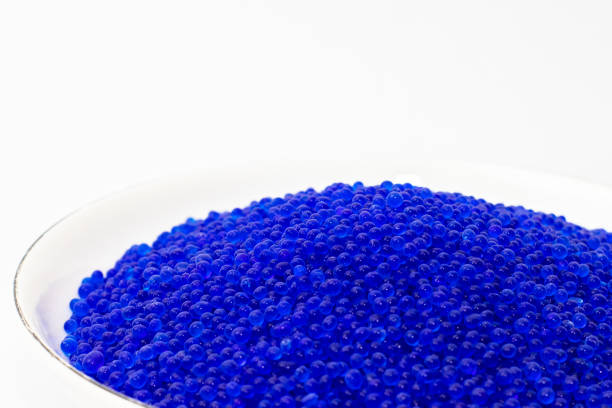
Silica gel packets turn up everywhere—slipped into shoe boxes, electronics packages, vitamin bottles, and even bags of jerky. Most folks see those little white pouches with their solemn warning not to eat the contents and toss them straight in the trash. I used to do the same before I started thinking about what’s really inside. Silica gel is a form of silicon dioxide, the same material found in sand, but these small beads work much harder. They're designed to soak up moisture from the air, keeping the things we buy from getting damp and musty. Growing up, I always noticed how food went stale quick during humid summers. Later, after losing a camera lens to fungus, I learned firsthand why the industry keeps tucking these dry pouches into so many products. Moisture ruins things that need to stay dry, from electronics to leather boots or vitamin capsules. One little pouch can save hundreds of dollars worth of gear from water damage.The science behind silica gel makes sense. Each tiny bead inside the packet is riddled with invisible pores, giving it a massive surface area to grab and lock away water vapor. Silica gel can't turn back time, but it can buy time—protecting contents from the effects of high humidity. Studies from the packaging industry show that silica gel is regularly chosen over other options because of its reliability and non-toxicity. The chemical keeps humidity from reaching levels where mold, rust, or spoilage kick in. While it never replaces airtight packaging, it serves as a trusted backup, so food, electronics, and medications can survive the trip from factory to living room shelf. I’ve seen food still crisp months after its best-by date, simply because that pocket of dry beads kept condensation from creeping in. In my own tool shed, outdated silica gel packs line drawers and tackle boxes, keeping rust from devouring my gear, and it works every time.Most people never stop to ask what happens to silica gel after opening a box. Tossing the packs right in the bin sends another useful product to landfill before it's finished its job. These little bags still pull water from the air long after their original package is opened. I reuse them all the time—slipping one into a container of seeds, camera bags, or even in shoes after a rainy day. Tech geeks save them to put next to phone batteries and memory cards. The habit of reusing silica gel helps keep junk out of trash while stopping mildew from taking over closets and storage bins. Hardly anyone realizes that many silica gel packs can be dried out in an oven and used again, reducing waste and saving money. The reusability angle often gets missed but is worth talking about, especially with growing interest in smart, sustainable habits.Every pack warns against eating the beads. Although silica gel isn't toxic in a chemical sense, the beads can cause choking—especially for pets and young kids who mistake the packets for treats. Over the years, poison control lines have taken plenty of calls from worried parents whose children have put a bead or two in their mouths. Most of the time, nothing bad happens if only a little is swallowed, but it’s always smart to keep packets out of reach. There are color-changing types coated with cobalt chloride, which introduce health concerns that pure silica gel avoids. Companies switched away from cobalt chloride in part to limit toxicity, but some older packs still use the dye, so I throw away any colored beads right away. Responsible handling matters, and spreading the word helps prevent emergencies.Silica gel packets quietly contribute to reducing waste in ways most folks never think about. By extending shelf life, these packs keep food fresher longer, cutting down on premature spoilage. Electronics, camera lenses, and heirlooms last longer, which eases pressure on landfills and wallets alike. By sharing tips on how to breathe new life into old silica gel packets or responsibly recycle them, families and industries both make a dent in resource use. Innovations keep popping up in how silica gel is made, packaged, and reused—from refillable containers to environmentally friendly pouches that break down more easily after use. There’s good reason to care about something as simple as a handful of clear beads in a paper packet—they quietly keep the modern world running dry and safe, one shipment at a time.
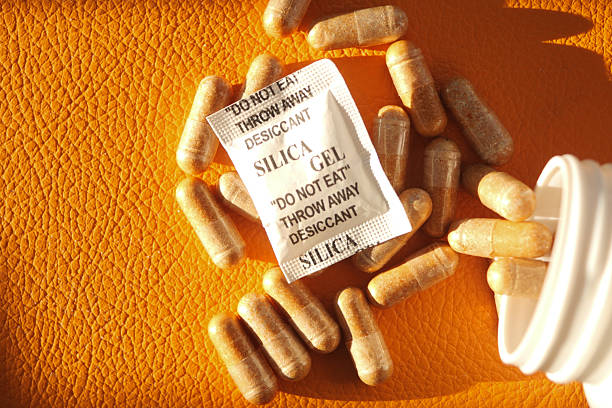
Cracking open a new pair of shoes or cutting open a box of vitamins, you’ll probably find a tiny packet marked “Do Not Eat.” These little sachets, filled with silica gel beads, sneak into so many everyday items, and it’s not just a quirk of packaging. I’ve found them in coat pockets, inside my last camera bag, and even under the tray in a box of seaweed snacks. Their mission? They pull moisture from the air trapped in packaging, stopping mold, rust, or even the sad mush of a ruined snack. Over the years, I’ve learned to spot that grainy feel through the fabric pouch. That’s saved more than one gadget and probably a fair number of health supplements in my house from tumbling into the garbage.Start thinking about how much money and effort goes into getting products to store shelves in good shape. Moisture in any closed space spells trouble. At my local electronics store, every hard drive box rattles because of a silica packet rolling around. Laptops, phones, and headphones all ship with them tucked away. Shoe boxes always hide one under the paper wrap, not to cushion but to dodge the growth of mold during storage. Jackets and bags get the same treatment—so do protein powders, nutraceuticals, and vitamins. Even jerky or nori snack packs get a packet, and as much as it feels strange eating dried food rescued by a packet marked as poison, food safety depends on controlling every bit of humidity. Silica doesn’t add odd flavors or chemicals to the products it protects. It just silently absorbs moisture, stopping spoilage before it even starts.I’ve lost count of how many times a rainstorm has ruined leather shoes, or how electronics from the mail arrived feeling damp because some packager decided to skip those little packets. Water, even from the air, speeds up chemical reactions. I learned in college chemistry that rust doesn’t need visible water to form, just enough humidity. That’s likely why precision tool manufacturers, camera lens retailers, and even coin collectors keep silica packets in every shipment, drawer, or vault. Someone buying health supplements or herbal medicine expects potency and freshness. Silica packets catch stray moisture that would otherwise clump up powder or let bacteria grow. Even pet treats and snack bars ride in the same boat, often shipped across continents and through all sorts of climates.Once I started paying attention, my junk drawer filled up with empty silica gel packets. Tossing them out can seem wasteful, but some folks reuse them to keep tools dry or rescue a phone after a water spill. That being said, most packets land in the trash, contributing to small-scale waste. It’s a small item, but they stack up. Companies often have no consistent recycling system for these, and warnings against accidental ingestion—especially by children or pets—deserve more attention. The need to cut environmental impact prompts worthwhile questions. Some startups now work on biodegradable alternatives, but plastic and non-biodegradable packets still rule the market due to cost and shelf-life standards. That’s the downside to protection—every smart solution in packaging can bring along its own headaches for the environment.Sustainability isn’t just a buzzword; it’s a growing demand from consumers who see the mounting waste from single-use packaging. Retailers and brands need to rethink both the number and type of desiccants used. Switching to paper-based versions or developing compostable silica gels sits within reach—actual progress just moves slowly. Better education and clearer disposal guidelines can help shift the focus from mere convenience to real responsibility. Personally, I’d love to see a collection point at stores for returning used silica packets, the same way some supermarkets have bins for plastic bags. Small moves like this can encourage more responsible habits across the board. While the industry sorts out the bigger picture, even just tucking away a few silica packets for reuse at home can keep tools, old photos, seeds, or electronics safe—giving those “do not eat” instructions a little more purpose.

Silica gel packs land in shopping bags, shoeboxes, gadget packaging, and even vitamin bottles, quietly doing a job most people don’t notice. Folks call it a “desiccant,” just a fancy word for something that sucks up moisture. But that boring packet tossed in a box actually makes real-life differences. In my own closet, I keep dried silica gel packs in my sneakers. After running around all day, sweat and heat make shoes a playground for bacteria and stink. With a silica gel packet buried in each shoe, the inside air stays dry and fresh longer, fighting off that sogginess and musty odor that comes from trapped humidity. Sneakers last longer, look better, and don’t become a science experiment.Bags, whether they’re purses, backpacks or briefcases, are no different. Chasing around in crowded buses or changing locker rooms, you realise just how muggy bags can get. Tucking in a few silica gel packets works wonders for keeping contents like wallets, gadgets, or notepads safe from mold and mildew. Leather bags don’t fare well with lingering moisture, either. After rescuing a favorite leather satchel from a rainstorm, slipping in a silica gel pouch managed to keep the dreaded white mold at bay. That trick saves folks a lot of money because leather goods cost a pretty penny and don’t take kindly to rot.Phones, cameras, and even laptops end up fighting for their lives against water. Nobody expects to drop a phone in a puddle or forget a camera in the rain, but it happens. Silica gel doesn’t bring miracles, but throw a gadget in a sealed container with a pile of packets, and they help pull out the moisture. Rice often gets recommended as a home remedy, but scientific tests show silica gel works faster and more reliably than grains. In my circles, photographers keep big jars of unused silica gel in camera bags, especially in places with tropical weather. That simple move cuts down the risk of lens fungus, which can ruin expensive lenses and shutter mechanisms.Musicians, especially those with wood instruments like guitars, have their own horror stories about moisture damage. Wood bends, warps, or cracks because it soaks up water from humid air. I remember hearing an old guitarist curse a summer gig in the South that left his prized acoustic warped beyond repair. He could have avoided that heartbreak by using silica gel packs inside the case, keeping humidity in check and protecting the finish and soundboard from swelling. Same principle applies to gun owners. Locked gun cases or safes with silica gel inside prevent ammunition corrosion and surface rust, which can sneak up overnight in climates with wild humidity swings. Ignoring those problems often means forking over cash for cleaning, repairs, or even replacements.Household spaces might get overlooked, but the fridge sees a lot more spills and condensation than people admit. Fridge doors open and close all day; moisture builds up, not just on the inside but in awkward nooks behind vegetable drawers. Pop in a food-safe silica gel sachet, and vegetables keep firmer for longer, plus you dodge soggy packaging and ice buildup near the back. Kitchens have more than fridges at risk. Rice, salt, and other grains draw moisture right through their packaging. If you live near the coast or on rainy days, rice clumps and salt turns stone hard. Silica gel in the pantry helps salt pour smoothly and keeps rice from sticking together in a mushy mess, so dinner prep stays hassle-free. Some folks, myself included, have tossed silica packs in the rice bin and never looked back.Supplements and medicine top the list of essentials no one wants tainted by moisture. Vitamin tablets, protein powders, and things like creatine clump fast if they pick up water. That loss of shelf life costs money and risks health if mold begins to grow. The small packet hidden inside the bottle isn’t just packaging fluff; it guards potency and value. I once opened a bottle of vitamin D softgels that had been left near a sink, and every pill had fused into one big glob. Since then, I pay extra attention to whether a silica gel pack is inside, and I replace it right away if it looks overworked.Folk who grow plants indoors on windowsills or use hydroponics also swear by silica gel. They tuck a few packets in the corners of grow spaces to keep excessive humidity from promoting root rot or leaf mold. The usefulness stretches to artists and hobbyists working with 3D printing filaments. Filaments like PLA and nylon soak up water from the air and print poorly when laden down by moisture—jams, stringing, rough surface finishes. Storing spools with a bunch of dried silica gel packets in an airtight container keeps print quality high. There’s a reason seasoned hobbyists keep old packets from every electronics purchase, repurposing them to protect supplies for the 3D printer.Cars, especially those parked outside or rarely driven, turn stuffy and damp over time. Mold and mildew creep into carpets and under seats, fogging up the windshield and giving off a distinct smell. During stormy months in my town, popping a few silica gel packs under the seat made a real difference—less fog on cold mornings and less must on seat belts and dashboards. Owners of motorhomes and campervans practice similar tricks, using silica gel or larger moisture-absorber tubs to prevent bedding, cushions, and built-in storage from turning into spore farms during long storage stretches.None of this solves deeper structural issues, like leaks or full-blown floods, but neglecting moisture only leads to wasted time, lost money, and preventable messes. One of the best choices I’ve made comes down to not tossing out silica gel packets when unpacking. Instead, I keep them in a box under the sink and put them to work all around the house. The simple act of re-using these packets saves household items, electronics, and foods from damage, and it puts a dent in the endless cycle of buying replacement goods because of something as basic as excess humidity. More folks could benefit from this habit, and it doesn’t take much to start: just a dry jar for storage and a little attention to the damp spots that sneak into daily life.
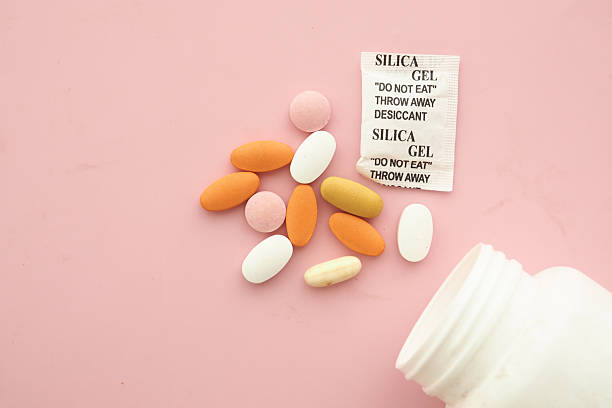
Most folks have pulled open a fresh bottle of vitamins, supplements, or even a box of snacks, only to spot a little packet lurking inside. The printed warning—do not eat—jumps out at you, making the tiny packet seem more threatening than helpful. That’s a normal reaction. Those packets hold silica gel, a material that looks a bit like coarse salt but works hard behind the scenes. Its only goal is moisture control. No matter what you’ve bought—creatine, protein powder, allergy meds, or crackers—those products break down or clump up once moisture sneaks in. Humidity doesn’t care about the label; it invades through every tiny crack after you pop the seal. Once enough water collects, your pills start to go soggy, your creatine clumps, and your snacks lose their crunch.Every time I try to keep snacks crisp in Florida, silica gel always saves the day. Major packaging labs back this up: tests show silica gel protects against spoilage that ruins flavor, potency, and consistency. Manufacturers depend on that, especially given how quickly prescription and over-the-counter pills lose their effectiveness if moisture creeps in. Silica gel also is tasteless, odor-free, and can’t dissolve in water, so there’s no risk of it leaching into what you actually plan to consume. The real concern is accidental ingestion, especially with kids or distracted adults—but as long as nobody eats the packet, it works as designed.Worries float around the internet about how dangerous silica gel might be. After stumbling upon dozens of panicked posts, I’ve learned that most fears don’t match up with the real danger level. Silica gel isn’t toxic. It passes through your system if swallowed, causing nothing worse than a little discomfort if you eat one by accident. Still, it poses a choking hazard, especially for toddlers or pets who often put everything in their mouth. That’s why the “do not eat” label matters—less about poison, more about preventing blockages or inhalation problems. Setting a packet on the kitchen counter often gets mistaken for trash, which tends to be how accidents happen.Many people wonder if they’re fine tossing the silica gel packet in the trash right after opening. Technically, you can remove it, but you lose a shield against humidity. If you've ever hit a clump in preworkout powder or noticed your allergy pills fusing together, odds are you removed the packet or stored the jar somewhere muggy. I’ve tried both ways, and the difference shows. Leaving the silica gel inside keeps things stable—even in steamy bathrooms or gym bags. Forget about it for flavor, but count on it for shelf life. The packet doesn’t interact with food or medicine, and it only gets replaced if it’s punctured, torn, or soaked.Finding silica beads loose in the bottle feels unsettling, but the risk actually stays low. As long as you spot the intruder before scooping a handful of powder or swallowing a pill, there’s no need to panic. Spilled beads can be picked out easily; they won’t stick to anything or soak in flavor. If you've got a jar that looks especially leaky or dusty with beads, consider transferring the contents to a clean dry container and toss all suspect packets for peace of mind. For packages that live in hot, damp spots—like kitchens or bathrooms—buying a replacement silica gel pack helps, since humidity climbs faster in those rooms.Ignoring these tiny packets shrinks product lifespan. Throwing the packet away means wasting money on meds, supplements, and snacks that spoil early. Most Americans toss expired pills and clumpy powders, not realizing that humidity caused the waste. Silica gel holds a simple solution—just leave it alone and let it do the job. In my experience, setting a reminder to check for silica packets during cleanups keeps products fresher and reduces household waste.Get the most out of every packet by putting bottles and food packages in dry, cool cabinets—far from the stove or shower. Leave packets inside each jar, replacing them if they get wet or break. Readers with big supplement collections often stash extra packets for varoius jars, sharing them among multiple containers as products get used up. Since silica gel can be recharged by heating in the oven, some cost-conscious folks save old packets and dry them before reuse, adding months to the shelf life of expensive products. Keep silica packets out of reach of children and pets to avoid accidents, and remember: a simple packet helps hold quality steady until the last serving.
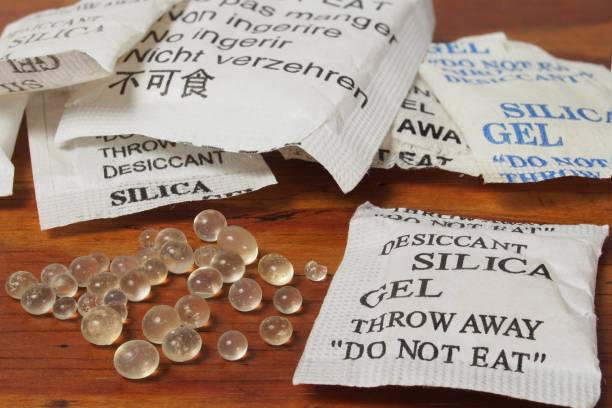
Most folks who’ve tried storing food long-term face the same set of headaches: stale crackers, moldy dried fruit, or that bit of metal taste in preserved nuts. Oxygen absorbers and silica gel packets have built a reputation as go-to solutions. They seem like simple products, but the way they work—together or separately—shapes the freshness of everything from beef jerky to family heirloom photo albums. Combining them looks smart, but does it really work? The answer rests in understanding what each packet in those little sachets does.Silica gel takes on moisture—pulling in water from the air and trapping it within its beads. It slows the growth of mold, especially in humid climates or in less-than-perfect packaging. Silica won’t budge the oxygen content, though. That’s where oxygen absorbers come in. They gobble up oxygen from the air, using iron powder to turn O2 into rust, lowering the risk of rancid oils and insect larvae hatching everywhere. Using both in the same jar, box, or pouch can appear tempting to cover all the bases.Plenty of websites recommend one or the other, but both play a different part. Oxygen feeds spoilage bacteria and destroys the taste in oily foods. Moisture makes bakery items tough and encourages mold growth. Practical experience shows they rarely get in each other’s way, but it pays to understand your storage goals. I’ve used both together for herbal teas and dehydrated fruit in parts of the country where summer humidity can soak into almost anything, and the packets did not cancel each other out.Problems sometimes appear when people overstuff a small jar with packets. Overly dry air can make certain foods brittle—Jerky, for instance, turns into something like wood if the silica packet soaks up every bit of moisture. On the other hand, too many oxygen absorbers in a loose container end up wasted, since they only react with whatever oxygen is present; they don’t pull moisture. Combining both rarely renders either one useless, but an unbalanced setup can impact results. For canned goods or grains, erring toward an oxygen absorber with a little silica gel makes sense only if moisture is also a major threat.People who store dry beans, flour, or rice in bulk tend to use oxygen absorbers to knock oxygen levels close to zero. Studies and preservation guides point out that low oxygen can extend shelf life by years, even stopping weevils from surviving. No evidence points to silica gel leaching chemicals if it stays in its paper pouch or food-safe sachet, but eating a packet by accident—especially for kids—is always a bad scene. Some commercial packs come labeled for food, reassuring the nervous. Focusing on properly sealed bags and sizing the right packet for the size of the package always matters more than any single factor.If storage conditions swing between climate-controlled and humid, adding a silica packet alongside an oxygen absorber provides backup protection. Long-term, airtight storage calls for using both only if the food’s at risk from both moisture and oxygen. In homes where basements flood in spring or pulses fill glass jars near the kitchen window, thoughtful use of both helps keep supplies safe. Home canners and emergency preppers can keep a chart handy, matching the size and type of packet to their food, rather than tossing in extras and hoping for the best.Instead of guessing, share real storage experiences with others. Join online homesteading or prepping communities—these groups test what works in the wild, not just on paper. Packaging makers and scientists agree: no single packet solves every storage woe. Choosing both oxygen absorbers and silica gel—when both threats really exist—keeps food fresher, longer. Nobody wants to eat beans that taste like cardboard or lose money on ruined snacks. Paying attention to conditions, portion sizes, and product instructions keeps families from learning hard lessons the long way.


