
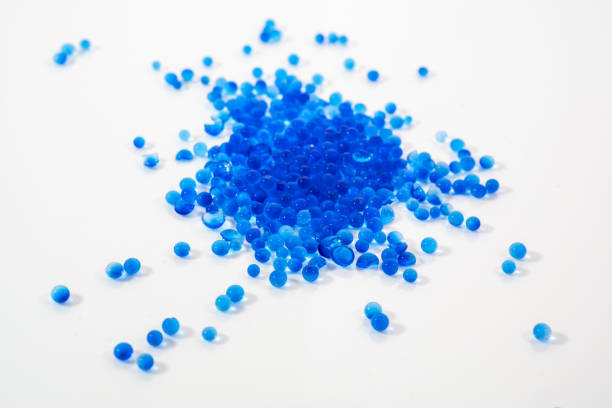
Most of us have seen those small desiccant packets tucked into new shoes, electronics boxes, or vitamin bottles, stamped with bold letters: "Do Not Eat." Inside each one, seemingly unremarkable white or clear beads catch moisture, keeping goods fresh. More than a few curious folks have wondered what would happen if these beads meet water. Social media loves to speculate, with some guessing dramatic explosions and others talk of mysterious chemical breakdowns. But let’s cut through the noise and see what actually goes on, drawing from my own kitchen experiments, chats with chemists, and a bit of plain common sense.Picture this: A rainy day, a crumpled silica gel packet pulled from a shoe box, and a question—does it dissolve in water? Pouring some beads into a cup of water, nothing magical happens. The beads just sit at the bottom, no cloudiness, no fizz. Silica gel doesn’t dissolve. Why not? Silica gel is just silicon dioxide, formed in a way that looks solid and porous under a microscope. Unlike sugar or salt, the structure of these beads isn’t meant to break apart in water. Their job is to grab onto water molecules, not fall apart in them. That’s why they suck in humidity in the first place. Dropping them in a glass of water leaves them looking unchanged, though they’ll slowly soak up water into their network of tiny pores until they’re packed full like sponges. After an hour or so, they turn from crisp little balls to heavier, waterlogged beads, but you won’t see them melt, explode, or vanish.Fire brings out our wild side. The thought of strange powder going up in flames seems exciting, especially to kids. So, what about burning silica gel? Testing this theory with a lighter, nothing much happens, except a little warmth and disappointment. Silica gel won’t burn easily, since it’s the same basic stuff as sand, which lines most beaches and playgrounds. Lighting sand doesn’t spark bonfires; neither do these beads. If you crank up the heat to wild industrial levels—above 1,600 degrees Celsius— you eventually get it to melt, but no kitchen, barbecue, or even chemistry class stove gets you close to those conditions. This simple stubbornness against flames keeps silica gel packets safe in transit, not turning hazardous in daily life.The drama fades even faster with the question of expansion or breakdown. Silica gel does expand a little as it absorbs water, swelling as its sponge-like structure soaks up every drop it can reach. This ability is why silica gel keeps snacks crispy and shoes fresh, but any “expansion” stops as soon as those pores fill up. Drop fully saturated beads in yet more water, and they just settle at the bottom, with no fizzing or bursting. No chemical change takes place. Leave dry beads in wet conditions long enough and they’ll become little more than soggy glass. You won’t see them crumble into mush or break down into dangerous stuff. There’s no chemical transformation at play—just physics and a knack for soaking up moisture.Misinformation online flares up quicker than a struck match. A lot of confusion traces back to the word “gel,” which conjures softness or dissolvability. The reality is much simpler—and less spectacular. Every home experiment and chemistry handbook backs it up. Knowing that silica gel doesn’t burn, dissolve, or explode is more than just trivia; this understanding keeps people from treating these beads like volatile chemicals or assuming packet spills are emergencies. I’ve seen parents toss out snacks because a packet split, worried about toxic waste, but all that’s inside is a form of sand. This knowledge helps people relax about silica gel’s presence, while understanding not to eat it, mainly because it’s not food and won’t digest. It’s the sort of wisdom that saves money, cuts panic, and keeps families focused on actual hazards.Everyone benefits when science feels accessible. More companies should print simple, no-nonsense facts on those little packets. Instead of ominous warnings, why not clear advice: “Contains non-toxic silica; do not eat; keep dry.” Schools and parents can use fun experiments—drop beads in water, compare to salt—to let kids see for themselves. Science thrives on curiosity, not fear or misinformation. This kind of direct experience sticks better than any fancy description or jargon. The real solution to confusion sits in honest conversation, easy experiments, and remembering that some so-called “mysteries” have straightforward answers, if only we take a closer look.
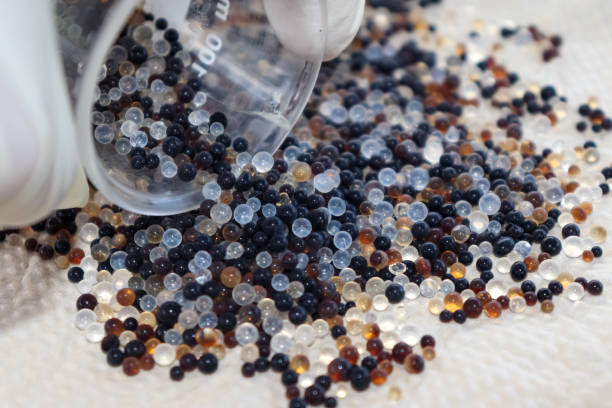
Most folks know silica gel as those small packets found in new shoe boxes or tossed inside bottles of vitamins. The packet always warns “Do Not Eat,” triggering a little anxiety for parents, but it’s not poison; it’s just not food. Thinking back, my introduction to silica gel came from tearing open a shoebox and shaking the beads out, curious about their purpose. The beads are hardworking little spheres of silicon dioxide, doing a job that people often overlook: keeping products dry and in good shape. Silica gel’s magic trick lies in its hunger for water, pulling moisture from the air and locking it away. The fight against wetness matters in daily life—nobody wants their new electronics delivered with a side of fungus or their camera lens fogged from inside. Silica gel’s presence in packaging comes from real experience: moisture ruins things. Once while unpacking camera gear in a humid country, I noticed the gear had those packets tucked everywhere. A friend—traveling without silica gel—struggled with mold spots on his expensive zoom lens. The difference couldn’t be ignored. Dryness, in some places, saves money and trouble.Silica gel soaks up water. That’s the word—hygroscopic. This property lies at the core of its usefulness. Whether packed in with snacks, tools, or medicine bottles, the silica beads are on a mission. Moisture slips through packaging, no matter how advanced, so keeping humidity at bay prevents clumps in salt shakers and molds in vitamins. In past jobs, I’ve seen labs weighing samples where humidity messed everything up, so those silica gel packets sat near sensitive equipment for good reason. It’s a simple, cheap line of defense against a problem everyone faces.The science isn’t complicated. The beads are riddled with tiny pores, making a massive surface area for grabbing water molecules out of the air. The process is physical, not chemical, so those beads don’t become something hazardous while doing their work. Tossed into a box or paper envelope, silica gel quietly keeps things safer from the creeping, silent damage of humidity.Questions pop up, especially if kids or pets touch everything, about whether silica gel could go up in flames. The honest answer—no, under normal conditions, silica gel won’t burn. Silicon dioxide makes up beach sand, and nobody lights up a bonfire with sand. Silica gel can handle high temperatures before breaking down, far beyond what anyone deals with at home or in factories. Having worked in a warehouse where things occasionally caught fire (long story), silica gel was among the least of our worries, and never played a role in any risk of spreading flames. Even if packets fell into the wrong spot, they didn’t add to the danger.Concerns about fire hazards pushed safety routines to the forefront, but not once did an emergency plan mention silica gel. Its role in storage is boring—and this time, boring is good. For families or workplaces worried about accidents, it’s reassuring to know that something with such a tedious reputation is about as flammable as gravel.Corrosive materials eat away at their surroundings. A few folks—unfamiliar with the realities of silica—worry that it might damage metal or plastic goods. In real-world use, silica gel couldn’t be less interested in being corrosive. The stuff keeps metals from rusting, because by soaking up stray water, it prevents corrosion from kicking off in the first place. After years spent opening packets in all sorts of packaging, from electronics to dry foods, the pattern is clear: no surface gets etched, faded, or pitted from silica gel’s presence.Some packets come with blue or orange indicator beads, using chemicals that change color when wet. If you break open a packet and dab the powder everywhere, the dyes could potentially leave a mark, though this is rare. In the context of silica gel itself, there’s no case to make for corrosivity. Folks concerned about their possessions should understand that moisture, not silica gel, poses the real risk.The word “inert” floats around science classes and safety briefings, usually meaning something just sits there, not reacting. Silica gel could sell itself as the introvert of the chemical world—doesn’t pick fights, doesn’t mess with the environment it’s in. Silicon dioxide doesn’t react with everyday packaging materials or air, so the beads just maintain their shape and structure while quietly working in the background.Some people get uneasy about unfamiliar powders and beads—maybe the urge comes from past scares with asbestos or lead. Silica gel holds no reputation for breaking down into anything hazardous at room temperature or in dry storage. If you spilled some on your workspace, sweeping it up would be the worst of it. In all my years handling these little packets, accidents never amounted to more than a minor cleanup.The occasional danger with silica gel comes not from its chemistry but from curious mouths. If small children or pets swallow the beads, there’s minimal toxicity, but inhalation or choking risks exist—just like with any small, round object. Keep packets away from easily reachable places, especially where little hands or paws get curious. Some companies have started using bittering agents or larger, less swallowable packets to keep accidents at bay. Safety warnings on the packaging seem simple, but reminders help.Recycling provides another wrinkle. With the sustainability movement gaining pace, many people worry about landfill buildup from millions of discarded sachets. While silica itself returns to the earth as sand, the paper or plastic packet sticks around for a long time. One way forward is using biodegradable pouches or refillable desiccant canisters. At home, people can collect and reuse packets to dry out tools, winter boots, or camera gear between uses. Creative thinking helps cut waste and puts those silica beads to work long after their first assignment.Much anxiety about unfamiliar chemicals comes from not knowing what role they play behind the scenes. Silica gel doesn’t contribute to fires, offers zero risk of corrosion, and puts its whole purpose into controlling humidity. The science lines up with day-to-day experience: these packets are harmless in most settings and helpful in keeping goods fresh and functional. Solutions don’t call for more warning labels, but for better education. When people understand the low-key support silica gel provides, it replaces unease with practical use.For those with a home full of gadgets, a history of ruined papers, or endless frustration with foggy lenses or clumpy pantry staples, silica gel answers a real need. The lessons come from lived experience: stuff lasts longer and stays in better shape in dry storage. That’s a fact worth sharing—and a reason to see these tiny beads as quiet allies, not lurking threats.
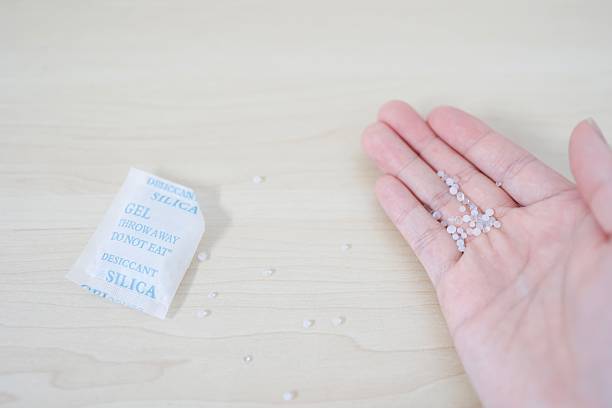
Anyone who has ever unpacked a new pair of shoes, a medicine bottle, or some fresh electronics has probably found those tiny silica gel packets with big warnings about not eating them. Most people know silica gel keeps things dry, but most don't stop to ask whether it can conduct heat or electricity. I didn’t give it much thought growing up, but lately, with more gadgets and batteries in people’s homes, I’ve seen the questions pop up online about what happens if silica gel breaks open or gets wet. People feel uneasy about electricity and fires, especially when curious pets or kids could end up playing with those little beads and spilling them near a power cord. It matters because peace of mind comes from knowing what’s safe, what isn’t, and how something we ignore most of the time fits into a larger picture of safety and energy use.Silica gel is basically a form of silicon dioxide, which isn’t much different on the chemical level from what makes up beach sand. It looks like small glass beads, but it’s riddled with countless microscopic holes. These holes don’t store any electricity and, more importantly, don’t allow electricity to zip through like with metals and wires. I remember the first chemistry demonstration about insulators—how things like glass and sand just don’t let current pass. The dry and rigid structure of silica gel locks electrons in place, so electricity just can’t move from one bead to the next. In normal, everyday settings, silica gel isn’t going to complete a circuit or cause a short near your cables or devices.The story with heat is a little different. Even though electricity and heat both involve energy, the way they travel through materials doesn’t always line up. Metals pass along heat as easily as a rumor in a small town, but glassy materials like silica barely do. If you ever touched sand on a cool morning, you probably noticed it’s slower to warm up in your hand than a metal spoon. That’s because silicon dioxide doesn’t move heat along quickly either. Silica gel packets absorb moisture, but they’re terrible at conducting heat—meaning they don’t really help or hurt anything from a thermal perspective in your boxes or bags. This matters in shipping, where temperature swings can affect medicines or electronics, but silica gel isn’t going to act like an extra insulator or a conductor. Some concerns remain, especially when silica gel beads get soaked. Water conducts electricity much better than dry silica. The twist comes if the beads pick up certain impurities from the air or leakages, which would make them slightly better conductors. In most dry environments, I’ve found that silica gel does the opposite—keeps things dry and helps prevent rust in everything from camera lenses to the tools I keep stored in the garage. Looking beyond my own experience, studies show that even soggy silica gel doesn’t give electricity an easy ride; the major problems come when those impurities build up so much that you end up with a path for current to flow. For the average home or office user, you’re not likely to see silica gel causing trouble unless it’s really been misused or contaminated over years. Instead of worrying about shocks or overheating from silica gel, I see a bigger issue with people tossing packets into the trash or letting them loose around pets and children. Swallowing is a much more real hazard, especially for pets who think every crinkly packet might be a treat. If more of us understood the science, the focus would shift away from electrical myths toward handling and disposing of these packets responsibly. That means keeping them far from food, teaching kids not to play with them, and ensuring they land in the garbage, not the recycling bin. It might not feel like a pressing topic at first glance, but since millions of new silica gel packets enter homes every day, a little education now can avoid anxiety and accidents down the line.Manufacturers can print clearer warnings on these packets and make them less enticing with bitter agents, which has already worked with household cleaners and batteries. More retailers could put out information on why these packets exist, what they can and can’t do, and when you actually need to worry. For those who feel extra anxious, switching to color-changing silica gel gives a visual cue on when the packet’s gone bad—taking some of the guesswork out. For families with kids or pets, setting a habit of checking packages before tossing them is a practical step. With more people shopping online and receiving parcels each week, being aware of these tiny packets can save a lot of potential grief.Silica gel doesn’t carry heat or electricity in any way the average person needs to lose sleep over. Its main role is simple dryness, not causing fires or shocks. Still, every small item in life teaches a lesson about safety and science. Sometimes the smallest things in the box are the easiest to overlook, but knowing the truth about silica gel—rooted in chemistry, proven by years of practical use—removes worry and lets people focus on what really matters around the home and workplace.
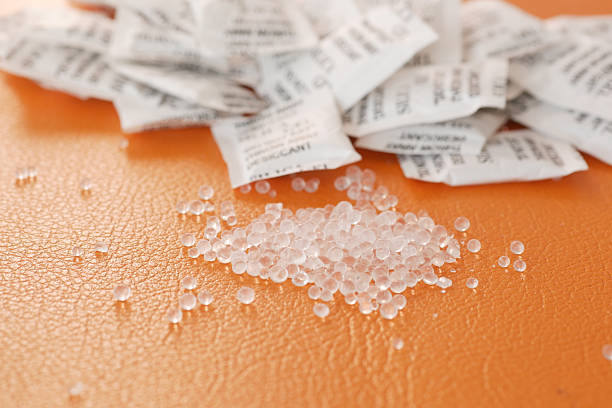
I find those tiny packets of silica gel in every shoebox, snack canister, or shipping cargo. They're stuffed in goods, warning us all not to eat them. Parents wince at the sight, kids get curious—silica gel is everywhere. Conversations at dinner tables sometimes go, “Is this stuff safe? Does it have BPA like some plastics?” I know I’ve asked. Breaking through marketing speak, we have to actually look at what silica gel really is. Silica gel, for the record, comes from silicon dioxide; this is the same stuff as sand. It works by grabbing moisture before mold and odors ruin shipped goods. Here’s a key point: genuine silica gel granules look like glassy little beads, made by a process that starts with quartz sand. BPA—Bisphenol A—is nowhere in its basic recipe.Moms and dads dig into news when another recall rocks their trust in basic packaging. A chemical like BPA, tied to concerns about hormone disruption and long-term health effects, draws big headlines. Health studies have connected high BPA exposure from food can linings and polycarbonate bottles to issues like hormone changes in children, higher risk of heart disease, and some cancers. Regulatory agencies in the US and Europe have responded by banning or restricting BPA’s use in items like baby bottles, not because of panic but based on emerging science and hard data. It’s smart to ask if silica gel is in the same league as some plastics or can linings. In truth, I’ve never seen credible research linking silica gel to BPA contamination. The American Chemistry Council and FDA lay it out clearly: pure silica gel beads, like those in packets, have no BPA in the beads themselves. Manufacturers take pains to keep these beads inert and non-reactive because their job is to absorb water—not leach chemicals.Where doubts actually creep in tends to be packaging and add-ons. Sometimes the outer packet—especially in no-name imports—may be made with plastic or ink that could, in rare cases, carry trace contaminants. That’s not about the gel beads, but about the possible shortcuts in packaging supply chains. If you’ve ever traveled abroad or ordered from unknown online shops, you might have seen suspicious, flimsy wrappers with no logos or safety data—buyers should stay cautious with unregulated products, not from paranoia, but based on past cases of undeclared or fake materials in foreign markets. As a rule, larger brand goods sold in respected stores give peace of mind, since their packaging must pass basic safety checks in the country of sale. To date, scientific investigation and product recalls haven’t turned up BPA in authentic silica gel—for both industrial and consumer goods.Moving past fears and social media rumors, there’s no evidence that silica gel packets, in and of themselves, put BPA into our foods, shoes, or medicine cabinets. Still, consumers with strong opinions about packaging safety push companies to publish detailed ingredient lists. Industry transparency pays off—when companies open up about sourcing, chemicals, and third-party testing, the public feels heard and safer. That makes for smarter shopping, not just blind trust or internet scaremongering. Concerned buyers ask questions online, send emails, and demand certificates of analysis. These grassroots checks shape policy: stores and manufacturers act only when buyers notice and don’t let things slide.The push for clean packaging goes beyond one substance. Regulators and everyday shoppers want blister packs, wraps, and even silica gel pouches to contain as few mystery additives as possible, cutting out phthalates, BPA, and PFAS. Lessons learned from BPA’s fall from grace are steering today’s packaging world into more transparency. Large buyers—think Amazon or supply chains like Walmart—now add strict chemical safety clauses before stocking items. As someone who checks food labels and material facts, I see more honest, science-based packaging info than even five years ago. Trust grows when open sourcing and clear labeling replace vague claims and marketing fluff.One last angle stands out for anyone still anxious about silica gel and BPA: the beads themselves can’t migrate into food because those packets never open on their own; they're labeled "do not eat" for a reason. If a packet breaks and spills beads, that’s an obvious hazard for kids or pets—choking risk, not chemical leaching. Anyone who finds a damaged silica gel pack should toss it, not fret about invisible poisons. Those little packets matter because moisture ruins products fast. But real risk still lies with poorly regulated packaging and a lag in clear disclosure, not hidden BPA inside the gel itself.Looking back, the real lesson with silica gel and BPA is not to take any label, claim, or tweet at face value. Shoppers, parents, and even curious kids should look up reliable sources, press stores for detailed answers, and keep up pressure for more upfront labeling. The strongest defense against every next chemical scare comes from turning current questions into smarter, safer choices next time we open a shoebox—or any box—at home.
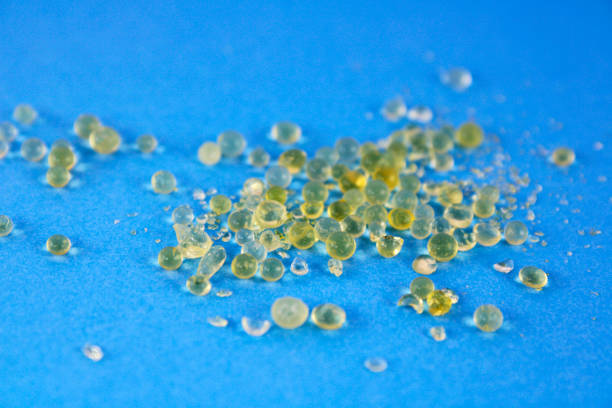
A little packet stashed in a box of new shoes or tucked away in a vitamin bottle might not look like much, but those beads can quietly save hundreds of dollars, frustration, and even your health. Silica gel works without making a fuss, hungrily pulling moisture right out of the air. Talk to anyone who's tried to keep electronics safe in a damp basement or prevent that musty smell from overtaking storage bins, and they’ll tell you just how tricky it can be to keep things dry. Silica gel doesn’t beg for attention, but it gets the job done. On average, silica gel can soak up around 30-40% of its original weight in water vapor. It keeps chugging along even as the air gets drier, still picking off stray humidity, and works at temperatures most people find comfortable indoors. That’s a win for everything from family photos to medicine cabinets. Moisture sneaks in everywhere. It seeps into cardboard boxes, creeps behind walls, settles in the hidden corners of closets. Here, silica gel shines. Even though every packet can only absorb so much before it’s tapped out, a handful scattered around a toolbox, camera case, or box of keepsakes provides a shield most don’t notice until it’s gone. Left unchecked, moisture breeds mold. It rusts your gear, curdles the mood in a pantry, or turns expensive electronics into junk. Over the years, I’ve seen how a forgotten guitar in a musty room warps beyond repair or how a camera lens left in a humid bag grows strange spots nobody can fix. Just a pouch or two of silica gel can be the difference between working with a clean slate and tossing something in the trash.Silica gel isn’t new. Chemists started paying attention back in the early 1900s, but it’s been put to the test ever since, from keeping artillery powder safe during wartime to protecting snacks from going stale on shelves everywhere. It absorbs water through millions of tiny internal pores, a method called adsorption, not absorption, so the beads never get soggy or mushy. That helps with preventing leaks or downsides you see with other methods. Unlike many clay-based materials or calcium chloride, silica gel beads don’t dissolve or create puddles under normal use. They can be heated and dried out then used again, offering a sustainability edge. In an age where waste keeps piling up, being able to regenerate these little beads counts.Many people ignore those little packets or toss them without thinking. Sometimes, packets break open and children or pets try to eat the contents, mistaking them for candy. Safety warnings get shrugged off. While silica gel is labeled non-toxic by U.S. law, ingesting it isn’t wise, especially considering choking hazards with small beads. Past that, assuming one or two packets can protect a large storage space creates a false sense of security. There needs to be enough silica gel to compete with the amount of moisture in the air and the frequent opening of storage spaces or containers. In reality, most folks underestimate how much water floats around day-to-day. They toss in a dried-out old packet that's already spent its power and expect miracles.Owners can recharge silica gel like reviving a tired athlete. Give beads forty-five minutes in a home oven at about 250 degrees Fahrenheit and most of the trapped water will evaporate, letting the gel take in moisture again. Bigger jobs call for using enough packets for the total volume of air and humidity, especially in places with little climate control. It helps to swap out or recharge packets every so often since nothing lasts forever. If you stash crates in a garage or attic, keep an eye out for color-change beads, which turn from blue or orange to pink or green as they fill with water; seeing them fade gives a clear hint when it’s time for a recharge.Switching out or recharging silica gel should become routine, like checking smoke alarms or replacing the water filter. Protective measures matter most before you see damage, not after. Small business owners know this well; it’s better to prevent spoiled stock than to explain to customers why their purchase smells off or looks odd. Families benefit too, especially during stormy seasons or in homes with older windows. More teachers and librarians rely on silica gel to keep archival materials safe for future generations. Losing family photos, rare books, or sensitive medicines to unplanned humidity doesn’t need to happen, but it too often does where people don’t recognize the quiet role played by a humble desiccant.No single product solves every problem, but putting the right solution in the right place goes a long way. I’ve spent enough time in leaky basements and forgotten storage units to see that a lack of knowledge gives moisture the upper hand. Community centers, small shops, and hobby groups can host workshops to teach neighbors how to protect personal goods from mold and rust. Local libraries and museums can raise awareness with handouts on drying agents, including silica gel. Social media shares and hands-on demonstrations reach more people than any shelf-stable box ever could. Armed with basic facts and a respect for how quickly small beads can prevent big headaches, everyone ends up with fewer regrets.
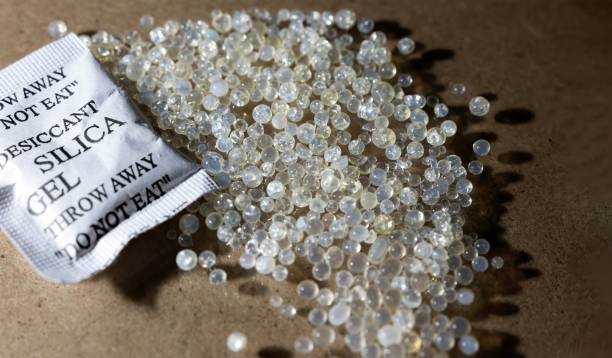
I still remember opening a new box of shoes as a child and finding those tiny mysterious packets labeled "Do Not Eat." Nobody in my hometown talked about what they did, but my dad–who worked in bulk storage–once told me those packets suck up real-world problems: moisture, must, and mold. Silica gel works by pulling water vapor out of the air and trapping it deep inside its bead structure, stopping things that shouldn’t happen in a closed box, storage room, or medicine bottle from happening. Something as small and silent as a handful of beads shields expensive electronics, personal photo albums, season-long sports gear, and vintage collectibles from costly damage. This protection isn’t a technicality; it shows up where it counts. I’ve stored winter coats and boots with these packets tossed into the corners, and they’ve come out, months later, smelling just as fresh as the day they went in. Moisture never got a single bite in because silica gel stood guard the whole time.Opening a bag, tossing silica gel in, and closing it up triggers an almost-instant effect, though you probably won’t notice any drama. Silica gel begins drawing in moisture within seconds, thanks to a super-porous structure that acts like an eager sponge. The speed at which it pulls moisture out of the air depends directly on how much air is present, the level of humidity, and the amount of silica gel in the space. High humidity and a small space? Drying happens fast. Large space with only one tiny packet? Expect the process to slow down. Industry data and laboratory tests back this up: a few grams of silica gel can lower humidity in a sealed bag to safe levels in less than an hour. Put a fist-sized packet in a damp camera case, and delicate electronics will often dry up overnight. Spread a handful across a shoebox or a tackle box, and by morning, sensitive materials like leather, cloth, or paper come out unscathed. In places where dampness creeps in over weeks or months, silica gel does its work as a long-distance runner, drawing away moisture steadily, never calling attention to itself—just quietly getting the job done.Countless household emergencies could be avoided if more folks trusted these tiny packets. I’ve seen silica gel rescue crucial documents and backup drives during a leaky basement disaster at my neighbor’s house. The reason is clear: silica gel holds up to 40% of its weight in water. This capacity means silica gel works well even in damp climates, protecting stored valuables for months at a time. Scientific studies support the claim that silica gel maintains safe humidity levels in closed containers, keeping mold spores and corrosive processes at bay. Museums, military archives, and hospitals use these packets alongside priceless artifacts and life-saving medicines for that very reason. My hunting gear and family keepsakes come out of deep storage in the same condition they entered, year after year, because I don’t cut corners—I use silica gel, and it keeps my stuff dry even when the weather won’t cooperate or the basement floor gets wet. We need to push the conversation about moisture control away from stopgaps and short-term fixes. Too many people trust plastic bags and a quick check with the hand to keep things “dry enough” and end up regretting it months later. Silica gel addresses a quiet but powerful risk. It doesn't just mop up yesterday’s spills—it blocks slow, invisible damage that adds up over time. In old apartments with creaky windows or in humid climates like mine, shifting to routine use of silica gel transforms basements and closets into safe storage zones. This habit fights a constant battle against rot, rust, mold, and the fading of precious photographs, childhood mementos, or hard-earned collectibles. Experts warn that the cost of ignoring excess humidity grows over time: once rust or mold sets in, fixing the damage usually means throwing things away. Reliable sources, including environmental engineering journals and material preservation handbooks, agree that preventive moisture control with silica gel can extend the lifespan of almost anything you care enough to store. For my family, that’s meant old baseball cards, inherited documents, and handmade quilts all survive to be passed on.There’s no getting around the fact that most people underestimate moisture’s quiet threat, right up until the day it strikes. One big solution lies in education. Retailers, teachers, and warehouse managers should talk more about these packets. Including clear instructions or bold reminders in storage containers, shoe boxes, and electronics packaging could make a huge difference—reminding people to keep, reuse, or even recharge silica gel before tossing it aside. The science backs up recharging methods: a few minutes in an oven can drive out the water and make silica gel ready for duty again. That small bit of effort beats tossing packets in the trash and buying new ones every time. Storage companies and household supply stores could lean into this simple, effective practice by bundling easy-to-read drying charts and longevity tips with every new package. By building better habits around storage and moisture-fighting, regular people can defend their belongings against everyday disasters more confidently. Speaking from experience, the time and money saved easily pay for a few ounces of silica gel and a little common sense.


