
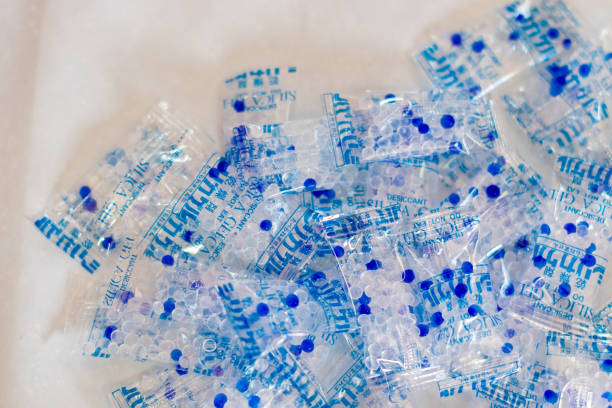
Most people find those little silica gel packets at the bottom of new shoeboxes or bags of seaweed. The labels warn about eating them but say nothing about travel rules. Packing for a trip comes with enough last-minute worries—no one wants to add “Is my backpack with silica gel going to set off an alarm?” to the list. I’ve traveled with all sorts of bags, be it carry-on stuffed with snacks or even checked luggage that somehow ends up jumbled with crumpled receipts and half-empty tubes of toothpaste. Silica gel packets slipped in among my things have yet to cause a hiccup at airport security.Anyone looking up TSA rules might run into a rabbit hole of “permitted” and “prohibited” lists, full of contradictory advice and Reddit anecdotes. From years of flying and talking to other frequent travelers, nothing suggests that the Transportation Security Administration gets fussed about silica gel. These packets often ride inside pill bottles to keep medicine dry or sit in electronics cases to ward off moisture. TSA officers know what silica gel looks like both in the scanner and up close. They deal with stranger stuff. It says something that security pros care much more about liquid containers, sharp tools, or artfully hidden batteries than about a few grams of moisture-absorbing beads.People worry about airport x-rays picking up “unknown substances” and sparking a scene. Working in labs and traveling with odd gadgets gave me an appreciation for how airport scanners and security staff operate. Silica gel is completely see-through to x-rays, falling into the same bland category as dry snacks or socks. The shape, size, and bulk just aren’t interesting—especially compared to electronics, suspicious powders, or strange metal objects. Most packets include plain labeling and clear packaging, another signal to security that there’s nothing to check twice. Even if a screener does spot a crinkly packet, the standard warnings printed on silica gel mark it out as a familiar, harmless item.Context matters at the checkpoint. TSA handles everything from protein powders to bottles of hot sauce, and it’s routine for them to wave through both name-brand and generic packets of silica. Nothing in the typical packet—polymer, paper, or cloth outer wrap and those nearly invisible beads—resembles explosives or banned substances. Over the years, I’ve heard more people get stopped for forgetting a water bottle than for a whole sock full of silica gel.Packing silica gel doesn’t promise a worry-free trip, but it helps in places where humidity wrecks gear or food. Traveling with photo equipment or anything sensitive benefits from a few small packets tucked alongside. Food stays crisp longer with a dash of silica in a bag. Even shoes stay less smelly by the end of a long travel day. One quick scan of the TSA guidelines for both checked and carry-on baggage shows no warnings posted about silica gel, which makes sense: it poses no health hazard under normal use, won’t explode in your luggage, and turns to a crumbly powder before ever becoming dangerous.Some people ask if there’s ever a risk of TSA mistaking silica gel for drugs or explosives. The reality is, illicit substances rarely show up packaged like silica gel and aren’t labeled with “DO NOT EAT” stickers. Law enforcement and security staff receive training in distinguishing everyday items from risky materials. Dozens of people pass through each airport terminal carrying products packed with desiccants—shoes, vitamins, electronics. The security system just isn’t triggered by a flavorless, odorless, non-toxic pouch.Drying agents like silica gel get classified as non-hazardous by most transport bodies. No one needs to file a declaration or place a special call before bringing them onboard a U.S. commercial flight. They don’t get flagged in international security literature either. Even lithium batteries or aerosol cans attract more regulation. A look at regulatory history reinforces the point: fire risk or toxicity shows up for items with flammable components, batteries that can short circuit, or containers that might leak. Silica gel doesn’t combust, corrode, or react with much of anything under normal transport conditions. Unless someone is carrying an industrial-sized drum instead of tiny packets, airport staff treat silica gel the same as snacks or shoe inserts.Hard data backs up this relaxed stance. The U.S. “Hazardous Materials Table” ignores silica gel in everyday consumer form; no placard needed, no extra labels slapped on. The packets often fly hidden in cargo shipments, mail, and commercial airline luggage with zero incidents reported. Safety regulations require focus on stuff that poses clear risk. For travelers lugging only a sprinkle’s worth of silica gel, any worry about security alarms turns out to be wasted energy.Packing for trips means balancing caution with practicality. People worry that something innocent will cause a delay or, worse, a search. Over years of travel, experience shows that honest mistakes—forgetting a water bottle or a liquid over the limit—rank much higher as drama starters than unknown items like silica gel packets. Best practice means checking luggage before zipping up: pull out knives, oversized bottles, or anything that could leak. Find those stray silica packets left in a jacket and pop them into shoes or next to cameras. If pulled aside by a screener, honesty works best: “That’s moisture absorber from my new shoes.” TSA officers prefer a clear explanation over hem-hawing.No system is foolproof. Every so often, a very new screener or a particularly fragile x-ray scan image might lead to a question about packets inside a bag. Temporary confusion fades fast once someone identifies the item as routine silica gel. For extra cautious travelers, placing silica gel in an external ziplock with a bit of labeling (even just repacking in the shoebox) gives peace of mind. Travelers have successfully carried containers of even the oddest, least dangerous powders and gels by being straightforward and conscious of what’s in their bags.Social media has a way of amplifying one rare story into a trend. No shortage of posts exists about “unexpected airport disasters.” Still, among thousands of trips, no one I know has been forced to surrender silica gel. Some travelers have reported being asked about unfamiliar substances—usually when transporting large bags of flour or protein powder, not tiny packet-sized silica gel. Honest disclosure and collaboration with security minimize drama. No country to date has published updated rules making silica gel packets a restricted security issue. Shipment of electronics, pharmaceuticals, and perishable foods relies on those same packets for safe arrival. Most staff probably handle more silica gel through work than the average traveler carries in years’ worth of trips.Anyone flying with something bulkier or odd-looking than the standard desiccant packet benefits from a heads-up approach. Label things clearly if possible, keep everything tidy, and prepare a calm, accurate answer if asked. Travelers who worry might contact their carrier or airport in advance, but based on prevailing regulations and the practical reality of modern airport management, a handful of silica gel packs pass through without flagging danger.In traveling, knowledge always helps. Packing confidence comes from understanding what matters to airport staff and planning around it. Silica gel offers convenience, small boosts to luggage hygiene, and extra security for sensitive equipment or food. By learning what actually sets off alarms—or doesn’t—travelers save time, stress, and energy. If someone does get stopped, patient conversation and a little product knowledge calm the process. Packing smarter, not just lighter, pays off in reality as well as on paper.
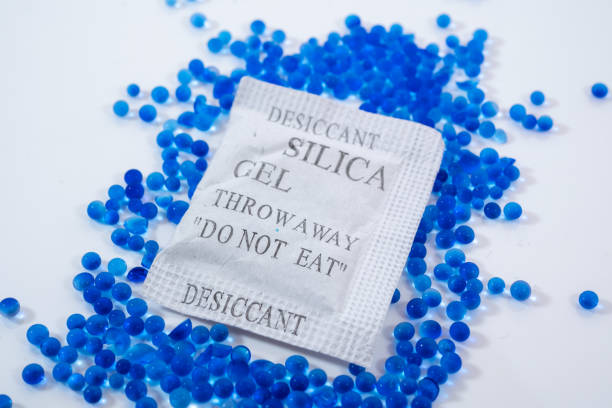
If you've ever bought a new pair of shoes, ordered electronics, or unboxed a fresh package of vitamins, you’ve probably spotted those little packets stamped with “Do Not Eat.” Silica gel packets turn up almost everywhere. For many people, the first question is whether it’s safe or necessary to open or touch the contents inside. I remember as a kid shaking them, curious about the rattling beads, only to find a warning label that made me pause. These packets aren’t just filler; they serve a very specific purpose: sucking up moisture before it ruins the product they’re protecting. This matters a lot because water—often invisible to the eye—loves to creep into cracks, squish into packing, and over time trigger mold, ruin electronics, and make shoes smell musty. Some people start wondering if silica gel must be open to do its job. The answer is surprisingly simple: the tiny beads inside each packet are already exposed to the air through the material of the packet itself. These packets aren’t strapped tight with thick plastic; they’re almost always made with a special paper or fabric that lets air and vapor move through. I’ve left electronics in storage for months and always tossed in a couple of these unopened packets. When I checked back, nothing felt damp or showed signs of moisture damage. The packets stayed closed, but they kept working. Whether they’re protecting snacks or camera equipment, the results focus on the science: if water vapor can hit the beads, they’ll soak it up.Curiosity leads some folks to cut open or tear apart these packets. After years of testing things myself and digging through reports, I’ve found that opening them isn’t just pointless—it can actually make a mess. The beads spill everywhere, which doesn’t just waste the product but puts small kids or pets at risk. While silica itself is mostly non-toxic, swallowing the beads can cause choking or mild stomach upset. Some versions contain added chemicals, which can be much more dangerous. In my own house, the beads that got loose underneath shelves or in couch cushions never did anything helpful; they just caught more dust and occasionally ended up in places they shouldn’t. I’ve spoken to veterinarians and pediatricians who echo this warning. The original packaging acts as a safe barrier and a filter. Tearing it apart erases both, defeating the main idea of easy, contained moisture protection.It’s tempting to believe silica gel works better if the beads touch the open air, as if cutting packets boosts their strength. In practice, this doesn’t check out. The semi-permeable wrappers let through water vapor with no trouble. Manufacturers test them for this exact ability before using them across global shipping routes. Research backs this up, showing that the beads dry out their environment without needing to spill loose. Every packet I’ve seen in hardware stores, food packages, or equipment boxes stays sealed for shipping and storage. Packets last as intended this way. If moisture levels run especially high, the answer isn’t exposing the beads—it’s using more packets. These days, misinformation about silica gel floats around online. Some posts claim breaking packets gives stronger protection or suggest “reactivating” old beads in the microwave. Reality tells a different story. Overexposure damages some packs, and not all are microwave-safe. Good-quality packets are cheap and plentiful. Recycling is a better option: some thrift stores and local groups collect used silica packets for reuse. If you’re worried about keeping sensitive items dry, add more packs or swap out old ones for fresh supplies. This keeps things simple, safer, and just as effective. Working in electronics and vintage film, I've found the safest route is using sealed packets and changing them regularly, especially if humidity creeps into storerooms.There’s a reason every warning label tells people not to eat, open, or cut these packets. Health risks, lack of extra benefit, and the strong performance of the sealed design combine to make opening unnecessary at best, risky at worst. If you’re aiming for dry gear, crisp snacks, or rescued heirlooms, sealed silica packs get the job done. For families, pet owners, or collectors, leaving them safely contained gives peace of mind and keeps homes safer and cleaner.
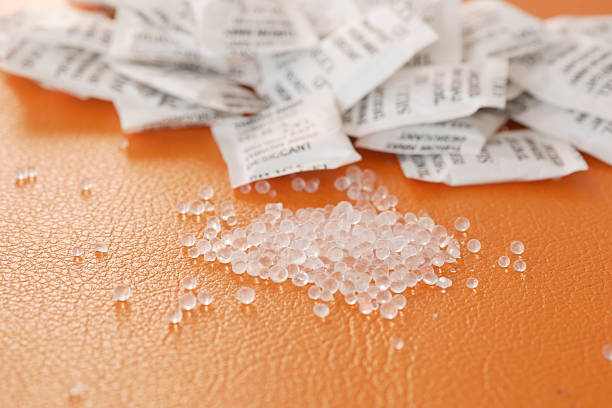
Every time you buy a new pair of shoes or open a bottle of vitamins, those small packets marked “Do Not Eat” tumble out. Most folks toss them, thinking they’re just junk. From what I’ve seen, a lot of people miss out on their real value. Silica gel packs can pull moisture out of the air. That’s why they show up in packages that shouldn’t get musty or moldy. That simple superpower also gives them a second life long after you pull your new shoes from the box.Walking into the garage, I spot a rusty wrench, and I know the culprit. Humidity in the air sneaks into toolboxes, causing tools to corrode. Big box stores sell pricey products to keep tools dry, but a few used silica gel packets dropped among the sockets do the trick. They absorb extra moisture and cut down on the chance of rust. It’s a practical fix that saves both time and money spent scrubbing or replacing what rust destroys.Spilled water on your phone or camera? Most folks rush for rice, but I’ve found that a handful of used silica gel packs works even better. If you drop your device in water, power it off, pop out the battery if possible, and bury it in a bag full of these packs. They pull water from tight spots, possibly saving expensive gadgets. No silica gel pack promises a miracle, but sometimes it does what rice can’t.Stacks of old letters and photographs can easily pick up moisture, and nobody wants to find cherished memories stuck together or ruined by mold. I store old photos and important documents in plastic bins with a few used silica gel packs. They help combat humidity swings, especially in basements or attics where paper faces the most risk. I’ve found family photos from generations back with no musty smell, thanks to these little moisture-killers quietly doing their job.Duffel bags and backpacks, especially after a trip or workout, stay damp long enough to grow a stink. Slipping in a couple of used silica gel packets before storing the bag cuts out the musty odor. For folks who store winter boots or seasonal clothes over the summer, these packs give clothes a chance to come out of storage fresh, not smelling like they hung out in a soggy basement.Families who save seeds for next year’s planting need to keep them dry or they’ll rot before spring. Tossing a couple used silica gel packs in the jar or envelope with your seeds stops moisture from sneaking in. The same fix helps bulbs last through winter, making it easier to get a jump on the growing season. It’s a simple trick handed down by experienced gardeners who don’t let anything go to waste.Eventually, silica gel packets fill up with as much water as they can hold. That doesn’t mean the end. Setting the packets in a low heat oven dries them out, letting you reuse them many times. I stick mine in the oven at about 200 degrees for a few hours, then cool before tossing back into storage boxes or bags. This cycle lets one little packet outlast most of what it comes packaged with.With millions of these packets sent out every year, folks ask about waste. Tossed packets can add up in landfills. Since they don’t break down quickly, it makes sense to keep reusing them as long as possible. Silica gel isn’t toxic, but small packets pose a risk for kids and pets, so I stash them in deep drawers or high shelves, places where little hands or paws don’t wander.Some people take used silica gel to odd places: inside camera bags, ammo boxes, or near record collections. I’ve seen them used in gym lockers, lunch boxes, and even among fishing tackle to prevent hooks from rusting. People who collect vintage musical instruments or electronics swear by them. The only limit is in the imagination—wherever water creeps in, there’s a fair chance a silica packet can help.Sometimes it feels like we rush to buy a special product for every need. Silica gel packs prove that reusing simple things can tackle everyday challenges. Next time one tumbles from a new box, think twice before throwing it out. There’s probably a quiet spot in your home where it could fight moisture, save valuables, and help stretch a dollar a little further.
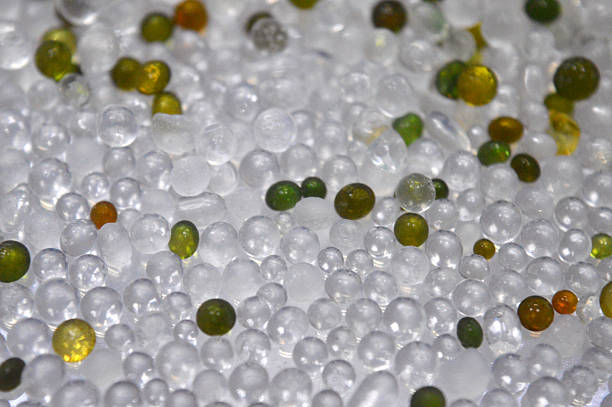
Most people open a new shoebox or a bag of snacks and see the familiar little packet that says “Do Not Eat.” Instinct says to just toss it in the trash, thinking it’s just more packaging. For years, that’s what I did, figuring the warnings meant there was nothing useful there. Eventually, I stopped to wonder why companies kept adding silica gel to so many things. After some digging, it became clear these packets fight a quiet battle against moisture. The simple gel inside grabs onto water in the air—saving electronics, vitamins, leather, even snacks, from mold and damage. Without them, I’ve seen things go bad faster: bread gets moldy, gadgets corrode, shoes smell worse. There’s a silent kind of work happening inside those packets every day.Silica gel makes for a surprisingly strong line of defense, especially for people who live in places with humidity or keep things in damp basements or attics. Forgetting a packet in a box of photographs or camera equipment often means the difference between a crisp memory and a warped, moldy mess. I learned the hard way: storing my camera lenses seemed harmless until moisture from the air fogged them up, leaving traces that wouldn’t wipe off. Since then, I make room for a few saved packets in every camera case and haven’t looked back—lenses stay clear, batteries last longer, and my shoes don’t smell like mildew anymore. Dryness keeps things lasting and saves money too, since I don’t have to replace as often.Most people think single-use means the landfill. Silica gel, though, keeps soaking up moisture even after packages get opened. While the granules gradually fill up and lose some punch, they don’t become useless right away. It’s easy to toss old ones into gym bags, toolboxes, drawers, or bins where moisture collects. In my experience, one packet goes a long way if the space isn’t huge. For bigger jobs—like keeping an old electronics junk drawer dry—a handful works much better than nothing. Even inside storage jars of spices and dried herbs, the gel fights off clumps and keeps things fresher longer. Kids’ craft supplies, spare batteries, seeds for the garden—they all last longer in the presence of these silent workhorses.Damp air means more than just a sweaty glass of iced tea; it’s behind peeling labels, funky smells, and rusty tools. Silica gel always quietly works to prevent those problems, giving us extra time before anything goes bad. Most folks don’t spot humidity’s hand at work right away until it ruins an old photo or a favorite leather wallet. I’ve noticed that adding a silica packet to a box of receipts, passport covers, and family keepsakes always leaves things crisp and clean, even when stored for months. That single step adds a layer of protection against routine weather swings and leaky window seals in the house. The packets themselves don’t take up any real room, so there’s no reason not to tuck a few into drawers or storage bins.Plenty of warnings tell us not to eat silica gel, which makes sense. The trouble comes if small kids or pets find these interesting little bags. In my house, the simple solution is to tuck them into containers or out-of-reach places, where only I’ll see them but they still keep things dry. For folks with kids, tossing these packets in the trash right away may feel safer. Still, for adults able to use a bit of care, sticking with reuse means less waste and smaller risk. The packets themselves are not toxic, though swallowing them can cause choking. Respecting that label on the outside stays smart for anyone who’s tempted to ignore it, but for everyday moisture protection, they’re harmless tucked out of the way.Instead of tossing packets on autopilot, setting up a simple jar or box to collect them by the door or in the kitchen drawer. Then it’s easy to grab a few whenever something needs extra moisture control. If the silica packs start to feel soggy or stop working as well, they’re not done for. Many folks bake them in a low oven for about an hour to let the moisture evaporate, and use the revived packets all over again. That little baking trick saves money, cuts down on trash, and gets extra life from something that seems disposable. Sharing this tip helps friends realize a “waste product” can be a useful tool.The quick urge to toss anything labeled as packaging still hits hard, but learning about the hidden job these packets do changed that reflex for me. There’s always room to stash one in a suitcase or inside that hard-to-dry camping gear. With so much effort put into keeping expensive stuff safe from humidity, it doesn’t make sense to toss out these free helpers. For anyone looking to get more life out of the things they already own, a simple silica gel packet rarely lets you down. The next time one shows up in a shoebox, think before throwing it away—dry spaces make for happier stuff, fewer ruined surprises, and a little less waste every year.
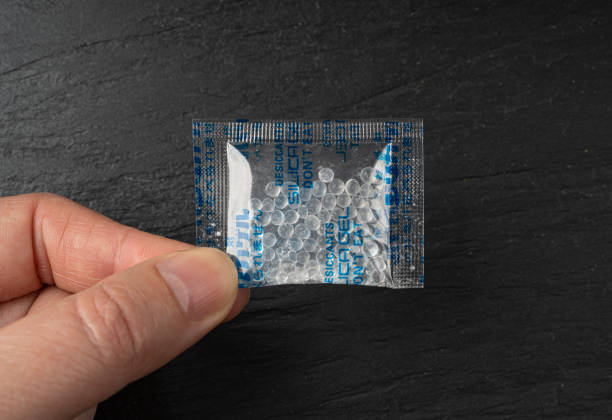
Rummaging through a new shoebox or peeling a piece of tape from a freshly delivered gadget, I always seem to spot that little packet stamped “Do Not Eat.” That’s silica gel — the old standby for keeping things dry. People toss these things out without a thought, but as someone who's dealt with water-damaged electronics and musty books, I pay attention. Silica gel has a simple job. It grabs and holds onto moisture, protecting shoes, medicine, snacks, and plenty more from the unwanted effects of humidity. People often ask if the packets stop working after a while. They wonder if these things expire, go bad, or just get used up.Silica gel is made from silicon dioxide, similar to what you find in sand. Each bead in that crinkly paper packet holds countless tiny pores, soaking up water vapor from the air. As a result, humidity in a sealed bag or box stays low. If humidity stays high for too long, silica gel slowly fills up, bead by bead. This is the catch: Over time, those little beads take on as much moisture as they can. Once that happens, they’re spent — not spoiled or rotten, just full. The outside of the packet looks unchanged, and holding it in your hand won’t tell you anything. But hidden inside, it’s not doing its job anymore.I’ve come across unopened silica gel packets forgotten in a drawer for years. They don’t go moldy or fall apart; they only stop working if exposed to enough humidity. If you keep packets sealed in their original packaging, or stash them in a dry place, they’ll still work years later. Once opened, they last until they’ve absorbed all the moisture they can hold. That might take weeks, months, or only a few days in sticky climates or wet storage spaces. The science behind this is simple — a silica gel packet can hold about 40 percent of its own weight in water. When it's full, it can't soak up more, but it doesn't “expire” like milk does. It just can’t protect anything else from dampness until it’s dried out.Clothes crammed in a humid closet, a forgotten toolbox in a leaky garage, or that box of old photos in the basement — places like these feed silica gel beads a steady diet of moisture. I’ve seen silica gel packets lose their punch quicker in these spots than anywhere else, sometimes in just a week or two. On the flip side, packets stuffed in electronics packaging, camera bags, or spice drawers might protect for months or longer, especially if you only open them now and then. It’s not about the brand or size, but how often moisture attacks.The answer depends on what you mean. Silica gel doesn’t grow bacteria, give off a smell, or fall apart under normal use. Leave it soaking wet long enough and the packaging might tear, or the beads might break down if you’re rough on them, but this is rare with casual use. The danger comes if people confuse a full packet with a bad one: it still looks exactly the same, fooling you into thinking it’s working when it’s just doing nothing. In a medicine bottle or food box, that could mean ruined pills or stale treats. The packet is physically the same; it just can’t offer protection until it’s refreshed.Luckily, silica gel isn’t a single-use item if you’re up for a little DIY. Those beads give up their trapped water when you heat them up enough. Some people lay them out on a metal tray in the oven at 250 degrees Fahrenheit and let them bake for a couple of hours. I’ve tossed packets into a toaster oven or on a radiator, too. The heat drives off the water, and after a good bake, they’re good for another round. If you go with the oven, air the packets out after heating because any leftover moisture will jump right back in if you leave them out in open air for long. Sometimes companies add color-changing beads to tell you when a packet is spent — the blue or orange tint will shift as it absorbs moisture, taking the guesswork out. With plain beads, it’s always a mystery. If you care enough, setting up a routine — maybe every month or two — helps, especially if you store gear or food worth protecting.The effects from bad silica gel go deeper than people think. Once, a forgotten packet left my camera lens blooming with mold after a damp summer. Several years ago, my mother’s winter boots went musty, leaving them ruined, and she swore new silica gel would have saved them. For folks storing medicine, the difference means pills that stay safe and dry, instead of going soft and sticky. On the factory floor, bad packets mean whole batches of food or electronics end up with damaged returns, wasting money and resources. For travelers, photographers, and collectors, humid air means corrosion, mildew, and disappointment. Replacing a phone or lens or a treasured book costs far more than just refreshing a handful of packets. Small steps like swapping out or reviving silica gel save belongings — and budgets — over the long haul.Don’t ignore those packets. Throwing them out wastes a good resource, especially when they could guard your gear for years. Store unused packets somewhere dry. Toss them in storage boxes with electronics, paperwork, shoes, or snacks — anywhere that gets musty or damp. Make it a habit to change or refresh them every few weeks if the spot has high humidity. Stale packets should be pulled and either dried in the oven or replaced. If you find color-changing silica gel, use it where moisture protection matters most, like camera cases or medicine cabinets. For folks in humid regions, stock up or invest in larger desiccant packs for big jobs like closets or safes.I’ve kept gear working and family valuables safe just by paying attention to the humble silica gel packet. Manufacturers don’t add them for show — there’s silent benefit inside every sealed package, sheltering what matters from destructive humidity. Too many people toss them out or leave spent packets thinking they’re protected, only to discover mildew-laden books, useless pills, or musty shoes down the road. By understanding how silica gel works, how long it keeps fighting moisture, and how to reuse it, people can stretch their household dollars, protect their belongings, and avoid the low-key heartbreak of preventable damage. It’s a small thing with a big payoff, and it starts with a simple shift: giving a second thought to that “Do Not Eat” warning and seeing an overlooked hero for what it is.
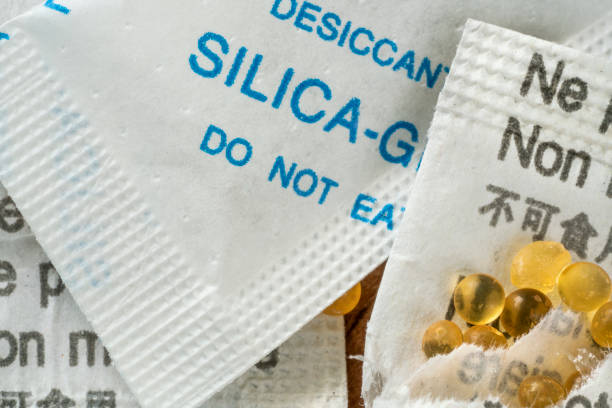
We see those little silica gel packets turning up everywhere—inside shoeboxes, vitamin bottles, electronics, camera gear, and even bags of beef jerky. Every packet has a big role to play, even if it looks unimpressive: it keeps products dry by soaking up extra moisture. There’s a tendency to ignore them, treat them like packaging fluff. Skip that habit, because a packet that can’t absorb more water isn’t just useless; it opens the door to mold, rust, mildew, or damage that nobody needs on expensive things. Years of living in a humid climate has taught me that moisture creeps in even when you think you’re safe, especially for collectors or folks with gear that can’t stand damp conditions. Silica gel itself doesn’t spoil, break down, or rot. Each bead inside a packet acts like a sponge, pulling in water through microscopic pores. If you pluck a packet straight out of a sealed container, it’ll be bone-dry and ready for use. Leave that same packet out in the open air, and it fills up before you know it. I’ve found that packets sitting around exposed quickly lose oomph—sometimes within a few days in a humid area, maybe a couple of weeks in drier spots. A sealed pouch tucked away inside electronics or shoes lasts much longer. But there’s no set timeline that fits all cases. Once those beads hit their capacity limit, the packet stops working, no matter what date sits on a calendar. Few things frustrate like pulling out gear and finding a mildew smell or rust spot despite your efforts. Packed silica gel doesn’t give off a warning light, so people end up guessing if it’s still good. Some brands add a color-changing bead to their packets; those turn from orange to green or blue to pink, flagging full saturation. Most packets contain plain, clear beads that leave you playing a guessing game. If you notice condensation, funky smells, or damp feeling inside storage containers despite using packets, chalk that up as a hint they’re spent. My approach at home skews toward overdoing it rather than taking chances—tossing old packets if I’m not sure, bringing in fresh ones more often with electronics, cameras, or paperwork I can’t afford to lose.Nothing keeps silica gel working forever. There’s a simple logic: if the packet hasn’t gotten wet (including soaking up lots of environmental humidity), it might be good for months or even a year or two in a tightly closed container. Folks storing rare collectibles or camera lenses often rotate their packets. In my own dry box, swapping the packets every couple of months means one less thing to worry about. On the flip side, bulk silica gel bought loose can be baked or microwaved dry—revived to suck up moisture all over again. I’ve recharged a jar of color-indicator silica in the oven at home plenty of times, turning the beads back to “ready” status. Yet the little packets that come pre-sealed sometimes fall apart with heat or spill beads everywhere, which is more headache than it’s worth. Instead, tossing those out and using new ones brings better peace of mind for anyone who values what they’re protecting. Many people have learned the hard way that silica gel isn’t a magic solution you can forget about. Outdated, saturated packets serve no purpose. Anything that’s precious or sensitive to moisture—think vintage Polaroid film, expensive cameras, or heirloom documents—deserve more frequent packet changes. Humid climates, leaky basements, or poorly sealed containers can suck the life out of silica gel much sooner than you expect. Nobody wants to pull out moldy photographs or a laptop covered with specks of moisture-based corrosion. Losing irreplaceable stuff stings, financially and emotionally. Protecting valuables starts with not playing guessing games about when packets expire, but replacing them on a reasonable schedule. Specialists in museum storage and archival preservation swap packets regularly, sometimes every few weeks, just to avoid long-term disasters. Plenty of people stash those white packets away and forget about them, assuming their job is done. That mindset opens up risks nobody sees coming. Even people who swear by silica gel sometimes wind up with ruined equipment, so assuming that “a packet is in there, so everything is fine” can prove risky. Nothing guarantees lasting dryness unless the silica remains able to do its job. Outdated packets, in my experience, rarely show visible signs of failure, especially if you use generic brands with no color change. Making changes before any hint of trouble turns out to save hassle, cost, and heartbreak. For folks depending on these packets in labs, technical spaces, or critical storage, frequent changes and backups turn out to be best practice, never a waste.The answer to how long a silica gel packet lasts doesn’t lie on the packet itself, but in the way it’s used and watched. Excessive humidity, constant opening of containers, and forgetting to rotate packets make for wasted effort. Building the habit of marking down packet changes, keeping spares on hand, and tossing out any that have been exposed for too long pays off in real protection. Silica gel may seem like a sidekick in home or workplace defense against humidity, but in the fight to keep prized possessions safe, nothing works better. Switching out every few months—or sooner in damp environments—brings an added layer of comfort and safety that’s worth the small extra step.


