
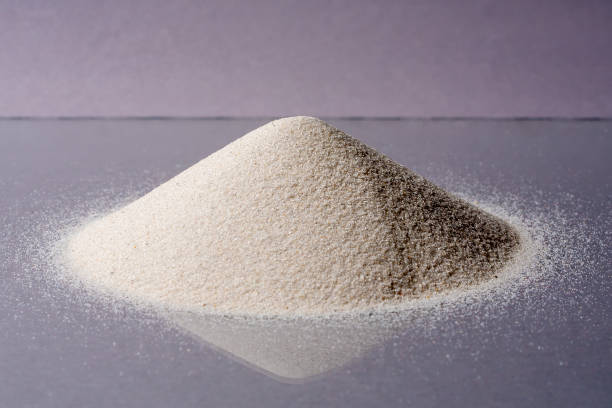
Every few years, the industrial world latches onto a material that quietly changes the way things are made. HB Series hydrophobic fumed silica happens to be one of those unsung contributors, even if folks outside paint factories or polymer labs don’t talk about it around their dinner tables. Most people use products every day—paints that don’t sag, sealants that spread neatly, coatings that stay smooth—but they rarely ask what keeps those products stable and reliable. Based on what I’ve seen in manufacturing, the answer often traces back to silica. Not all silica works the same. The hydrophobic variety steps in where moisture control matters, where caking or gelling means production headaches, and where companies need more than old recipes.Years ago, I worked on a line where excessive stickiness in a batch of glue triggered hours of downtime. Excess water in the air, poorly stabilized compounds, the tiniest chemistry misstep—each factor triggered a hunt for better additives. Fumed silica, rendered hydrophobic, improved batch consistency almost overnight. The silicon dioxide backbone stays the same, but surface treatment with organosilanes turns a highly absorptive, fluffy white powder into a moisture-resistant force. In applications like adhesives, coatings, and composites, that translates to better control over rheology, which makes a world of difference to someone trying to keep a paint from dripping down a wall or a caulk from slumping out of a joint.For many in construction, automotive manufacturing, and even 3D printing, performance boils down to materials science in the trenches. Water-repelling silica solves a problem as old as industrial chemistry: humidity. Indoors, climate control helps, but production lines rarely pause for the weather. HB Series hydrophobic fumed silica resists agglomeration in humid conditions. This matters because agglomerates wreck flow, clog dosing machines, and inflate costs through wasted raw materials. I’ve talked to production engineers who say the difference between ordinary and hydrophobic fumed silica shows up quickly in batch yields and maintenance budgets.Paint formulators seek stability and easy mixing. Rubber manufacturers want additives that disperse fast without drawing in moisture that weakens end products. Even in high-value electronics where clean, controlled surfaces matter, the role of hydrophobic silica extends beyond the basics. These silicas don’t just “enhance performance”—they shield against all kinds of production headaches. What’s more, HB Series silicas often deliver this benefit with lower loading levels than older, untreated grades. That means less powder dust, less volume to manage, and reduced environmental impact across transport and storage.Material innovation only works if it dovetails with safety, sustainability, and regulatory expectations. After the big asbestos scandals of the past and newer concerns over nanomaterials, industry is learning to ask hard questions about what’s in every drum and bag. Hydrophobic fumed silica lands safely within well-regulated, studied boundaries. With a decades-long record in industrial compounds, regulatory data backs its use when handled with proper protocols. That doesn’t mean every workplace scrupulously applies dust controls or training, but responsible users deploy proper PPE and ventilation. Moving toward more sustainable inputs, some manufacturers source precursor materials through cleaner supply chains or seek ways to recycle process byproducts. It’s no silver bullet, but ongoing innovation in production methods is a reality as emissions targets tighten around the globe.Chemical safety officers in my circles report that hydrophobic grades reduce airborne dust, a direct benefit for workplace health. Lower required dosages correlate with less powder in the air and less material to spill, store, or move. Like any other fine powder, risk comes from neglect, not from intrinsic hazard. By focusing on engineering controls and staff training, risk stays low. Meanwhile, companies driven by sustainability metrics use lifecycle assessment tools to pick formulations that generate less waste and release fewer volatile compounds. HB Series silica fits those priorities, especially compared to alternatives that require more energy to process or pose disposal headaches when products reach the end of life.Ongoing industry challenges—cost, supply chain resilience, and evolving customer demands—press suppliers to look past price alone. Over time, I’ve seen customers setup joint testing programs with silica producers to tune the hydrophobic treatment for best batch performance. Advances in silicon chemistry and reactor design now let producers make more consistent, highly dispersible material. These improvements bring cost savings, support for higher-speed production, and new applications in fields like battery slurries or specialty fluids.Solving complex material science problems rarely comes from one advance alone. HB Series hydrophobic fumed silica plugs into broader efforts to cut waste, improve efficiency, and manage quality from bench top to shipping dock. Some innovators work to boost compatibility with bio-based polymers, others push for smarter packaging that reduces spillage. Few people outside industry marvel at a pale, lightweight powder changing paint, resin, and adhesive performance. Yet from my perspective, seeing smoother coatings, longer shelf life, and more process-stable end products reveals the quiet influence of real chemistries, not branding fluff. The promise of hydrophobic fumed silica remains grounded in these everyday transformations—the kind that boost the reliability of things most people never realize needed fixing in the first place.
A lot happens behind the scenes before paint lands on a wall or coating protects a bridge. Back in my working days at a small fabrication shop, I remember how some finishes stood the test of time and weather, while others peeled or sagged the minute things got rough. The problem almost always came down to what held the coating together—not the color or the brand, but what lent it backbone. Fumed silica steps in here, almost invisibly, making a real difference in how coatings behave. It keeps pigments from sinking to the bottom of the can. It stops thick paint from sliding down a wall. I’ve watched gallons of coatings spoiled from a lack of this simple ingredient—bands of color at the bottom, clear goop at the top, messy results. The stakes here go beyond a decent paint job. On construction sites, poor stability means wasted time rebooting mixes. At home, it’s the reason paint separates on the shelf, making touch-ups hard. Real stability means you get what you pay for, and life gets just a little easier.Picture the steel beams on a high-rise, outdoor signs, or the handrails at a community pool. These surfaces take a beating—rain, sun, dust, scrapes. Back in the day, I handled touch-ups where coatings wore thin or blistered. Fumed silica doesn’t shout about its job. Mixed into coatings, it gives what experts call thixotropy—sort of a gel-like structure that stops paint from running down a vertical surface. This meant fewer ugly drips and sags in all my years on job sites. Beyond that, it improved spreading. You could push a thicker layer of paint around without leaving brush marks or streaks. Think of how much labor that saves, the worry it removes for workers spraying overhead or painting long stretches of railing. In growing cities, industrial plants, and smaller shops, the bottom line is protection and speed. Better performance means less time fixing mistakes, more projects finished on deadline, and a tougher finish that stands up to abuse.Nobody has to be a chemist to appreciate this stuff, but knowing a little about how fumed silica works explains why it’s become such a staple. It creates a kind of network right in the wet paint, trapping pigments and components in place. I’ve seen firsthand how a coating without this network turns into sludge at the bottom and thin liquid at the top, like old-fashioned salad dressings. Add the right amount of fumed silica, and paints resist this settling for months or even years. Teams working in variable climates—think sweltering summers or freezing winters—love this property because shipping and storage don’t wreck the paint. It doesn’t settle, so time at the job site isn’t wasted remixing or reblending. Quality stays consistent, so projects keep their finish.There’s no getting around it, waste hits everyone—contractors, homeowners, city agencies. I spent years scraping out cans where half of each gallon went straight to landfill. Fumed silica lets every drop work harder by extending shelf life and making applications smoother. Fewer touch-ups and do-overs translate into less wasted materials and man-hours. I also saw safety improved on jobs where thickened coatings stayed out of workers’ eyes, off their hands, and on the surfaces where they belonged. This matters for accountability and compliance, but for anyone who’s cleaned a slippery spill or worried about inhaling spray, it’s a clear win.People sometimes ask if such additives cost extra or risk health. Real-world numbers show that a bit of fumed silica goes a long way, shaving costs by improving yields and reducing rework. Responsible producers supply detailed data on safe use—OSHA and other agencies recognize the need for exposure controls in powder form. In finished coatings, fumed silica poses almost no risk to users. Good ventilation, gloves, and dust masks do the trick at the mixing end. Stores and users never see the raw powder. Folks should stay informed, but with proper handling, the health risks shrink to almost nothing.Out on jobsites, the old habits never quite die, but the growth of specialty coatings means new challenges pop up—energy-efficient buildings, coatings for ships and planes, anti-graffiti paints for public spaces. The versatility of fumed silica keeps it relevant. Coating developers draw on it to build new features—scratch resistance, hydrophobicity, even better UV durability—without ditching the stability it brings. This kind of innovation only happens when materials like fumed silica keep evolving with the markets they serve.Every year, the paint aisle adds another “advanced formula,” and every developing project brings new demands. From what I’ve seen in the field, the backbone ingredients get little fanfare but do the heavy lifting. Fumed silica frees up painters, builders, and repair crews to focus on craftsmanship rather than fighting the material itself. With coatings lasting longer, fewer failures, and faster application times, the benefits add up across the board. That’s a future worth working toward—handed down from labs to jobsites, and back again.
I’ve spent years observing the coatings and inks market, watching developments that change the very way we paint our walls or print our magazines. People often overlook the science at work in those slick, smooth finishes and vibrant, smudge-free graphics. Hydrophilic fumed silica HL‑90 changes the conversation. In the coming years, including 2026, HL‑90 looks ready to anchor this change, not only because it delivers on the basics but because its performance tackles the nuanced problems that crop up in real production lines. Factories that battle sedimentation or want paint that doesn’t sag find the structure-building power of HL‑90 almost like finding an extra set of capable hands on the shop floor. This silica has a high surface area and an ability to interact with water-based and solvent-based systems, giving it a kind of versatility that’s rare in functional additives. Paint producers don’t just care about making things look good on day one; long-term stability and consistency often beat out initial gloss in the real world, and HL‑90 has a reputation for preserving both by keeping pigments evenly suspended and stopping the kind of clumping or separation that tends to plague cheaper alternatives.Every batch mixer, lab technician, and plant manager knows the feeling of watching an otherwise good product lose value because of minor flaws: a streak here, a thick patch there. I remember running a batch of water-based ink for a short-run print job that came out with excellent brightness but kept clogging the press. The culprit? Poor flow behavior and inconsistent viscosity. On cranking up experimentation and testing newer formulas, products using hydrophilic fumed silica HL‑90 delivered a rare consistency. Its thixotropic properties—basically, how it helps a thickened mix flow smoothly under shear but returns to its thicker state when left alone—help coatings spread easily, reduce drips, and maintain thickness on vertical surfaces. This isn’t just technical jargon; anyone painting a ceiling or printing a high-quality magazine cover notices the difference. HL‑90 isn’t about perfection in the lab but holding up in unpredictable, real-life conditions. Factories scaling up from small batches to industrial production see less waste and fewer rejected lots because HL‑90 absorbs shocks and unpredictabilities that hit smaller additives much harder.The industry doesn’t operate in a vacuum; environmental responsibility becomes part of every purchasing decision. Regulators and regular folks alike want fewer volatile organic compounds and safer workplaces. With ongoing tightening of safety standards in paint shops and print rooms, HL‑90’s profile as a low-dust, low-toxicity solution turns heads. I’ve seen firsthand how reduced dust translates to less cleaning, fewer filter changes, and less downtime—facts that matter a lot more than abstract safety data sheets. By integrating HL‑90, manufacturers can lower the need for harsh co-solvents and extra thickeners, cutting down both cost and headaches from regulatory paperwork. The fact HL‑90 is derived from silica, a resource already deeply integrated into many safe consumer goods, brings a measured reassurance that helps calm nerves both on the shop floor and near the boardroom.Adopting any new material comes with some foot-dragging. Cost can worry procurement teams, especially for mom-and-pop paint shops fighting thin margins. Mixing and dispersion also still challenge some operations, especially those using legacy equipment that can’t quite handle the fine powder nature of HL‑90 without dusting issues. The smartest firms run staff training and invest in updated handling systems, raising initial expenses but recouping those investments with better yields and fewer batch errors down the line. Another hurdle comes from the broad push for more sustainable, renewable materials. Fumed silica is synthetic, produced through energy-intensive vapor-phase reactions, and some eco-conscious buyers press for plant-based or recycled alternatives. For now, HL‑90’s ability to extend product shelf life and minimize product rework tilts the balance in its favor, but suppliers need to stay alert to ongoing shifts in public expectations and new legal restrictions on manufacture.Nobody gets into the coatings and inks business without knowing how much headaches line downtime or customer complaints can create. HL‑90 lets crews spend less time troubleshooting viscosity swings and more time hitting targets for finish, coverage, and speed. Big manufacturers, especially those running multi-shift operations or producing mixes for export, care deeply about how well an additive survives changes in temperature, humidity, and transport conditions. In those stress situations, HL‑90 shows a resilience that usually only comes from much more expensive or more toxic solutions. Its compatibility with waterborne and solventborne systems makes it easy to keep inventory simple and costs predictable, which appeals to both accountants and plant managers trying to keep the doors open. Speaking from experience, the makeup of a company’s batch room—what sits on those ingredient shelves—directly affects whether products reach their destination on time and whether customers keep coming back. Materials like HL‑90 that genuinely make life easier for production teams aren’t just a technical upgrade; they represent a commitment to reliability customers notice without ever glancing at a datasheet.Future gains often come less from bold reinvention than from steadily pushing the limits of what already works. For those worried about raw material costs or environmental impact, forming industry alliances to improve recycling of packaging and exploring more energy-efficient production methods for hydrophilic silica look promising. Manufacturers can also focus on better staff education in handling and blending to lower waste and raise final product quality, squeezing more benefits from the same bag of HL‑90. I’ve seen success grow not from one-factor miracles, but from relentless tinkering and targeted change, layer by layer. In the coatings and inks industry, progress marches forward through partnerships between chemical innovators, plant workers, and even the regulators who set the rules. HL‑90 shines as an example of where steady technical improvement crosses paths with practicality, helping real businesses make real products that stand up to scrutiny and serve their purpose well enough to matter.

Every once in a while, the industry comes across a material that changes the rules. HL‑90 hydrophilic fumed silica has made that kind of impact. I have worked with industrial fillers and rheology agents in everything from paints to adhesives. Through hands-on tests and long production runs, the value of HL‑90 really shows in those niche jobs where flow and stability matter more than brute surface area. The buzz isn’t just about marketing; it comes from lab results and real-world processing lines where marginal gains lead to real savings and better product performance.I have seen plenty of fumed silicas that promise big things but clog mixers or leave clumps at the bottom of the tank. HL‑90 tackles this issue head-on and ends a lot of day-to-day headaches for technicians. Because of its particle structure and relatively low surface area, the silica blends quickly and evenly even in tough carrier fluids or filled systems. Those in ink, sealant, and silicone rubber production know that a material that dissolves into a batch without long mixing saves time, reduces motor wear, and cuts energy bills. The fewer hours spent fighting lumps and agglomerates, the faster shipments go out the door.You’ll find real proof of HL‑90’s value in specialty formulations where flow, stability, and clarity matter to buyers. Thixotropic control—the ability to turn a runny liquid to a thick paste under stress—is not just a minor tweak; it determines if a product ships flawlessly or gets tossed back with a return label. HL‑90 handles this balance with less product used per batch than a typical high–surface area silica. Some of my customers in transparent adhesives and optical gels turned to HL‑90 after other fillers left haze or bubbles that ruined the final look. The difference shows up on the balance sheet: less waste, better throughput, and end-user trust.Anyone who has handled traditional fumed silicas knows the drifts of white dust that coat machines and stick to skin. HL‑90 changes the game with its coarser particle nature. The result is far less airborne material during transfer and mixing. Workplace air quality improves, cleanup goes faster, and operators breathe easier. Although product compliance teams look for data, all it takes is a walk through a plant running HL‑90 to notice the difference. Fewer complaints about itchy throats, less downtime for cleaning, and lower requirements for dust extraction systems all mean real operational benefits.Materials managers and production engineers work hard to balance price with performance. HL‑90 comes with a premium, but over time that investment pays for itself. Smaller dosages per batch, faster throughput, and fewer rejected lots offer strong arguments in favor of making the switch. Some European and Asian facilities I’ve seen switched to HL‑90 not for lab spec sheets, but because it delivered savings where other brands could not. Packaging waste shrinks, and there’s less hassle with regulatory documentation due to lower dust exposure. Over months, maintenance schedules proved easier, and equipment lasted longer due to lower abrasive loading.I often notice sustainability claims on material data sheets, but HL‑90’s impact goes deeper than a green sticker. Less dust generation means less capture, transport, and disposal. Lower overall dosage shrinks shipping and storage needs. Several customers reported hitting new efficiency standards by swapping in HL‑90, which helped them meet internal environmental goals with no upfront investment in new machines. From both a regulatory and a business perspective, these factors can tip procurement decisions especially as global standards tighten. Less waste and improved air quality on the shop floor support both a healthy workforce and a positive brand image. These side benefits often matter the most in negotiations with large multinational buyers.What excites me about HL‑90 is less about what it is today and more about the role it plays in evolving product classes. Rapid development in electronics, automotive adhesives, and high‑clarity composite resins pushes not just for performance, but for predictable, clean processing. Engineers designing new formulas need more than just a workhorse—they need consistency at scales from lab bench to truckload delivery. HL‑90 offers this reliability, and new projects often take shape with it as a critical building block. Colleagues across industries keep sharing results that reinforce HL‑90’s spot at the top for low‑surface area needs—proving it’s not a passing trend but a smart, science-backed decision.
Watching the market for HL‑90 hydrophilic fumed silica pick up speed, anyone in industrial manufacturing can see the signs. There’s nothing glamorous about silica, but its role in adhesives and silicone continues to get bigger every year, and that says a lot about where our industries are heading. I’ve lost count of the number of times I’ve seen production teams wrestling with formulations—sometimes just to shave a few seconds off curing time, or to achieve that elusive stable viscosity that will keep a product consistent from one shipment to the next. HL‑90 plays a part here, giving both adhesives and silicone compounds a predictable, stable structure that many engineers take for granted, but which is far from guaranteed once you get down to actual mixing and production.The headlines say demand is rising, but the reality looks different from inside a factory or R&D lab. Over the last few years, the shift toward more customized adhesives—whether for automotive, electronics, or even the growing renewable energy sector—means everyone’s chasing tighter tolerances and more reliable materials. As regulations focus more on health, environmental safety, and long-term performance, HL‑90’s stable particle size actually lets researchers tweak resins and gels for better durability and safer workplace handling. I remember a time when you could get away with average fillers, relying on brute force for mixing and hoping nothing separated overnight. Not anymore. End users—from packaging companies to household sealant makers—expect adhesives to work under stress, survive transport, and meet stricter standards. HL‑90 helps deliver on those promises, which explains why procurement teams keep fighting for steady supply.One of the quiet secrets in manufacturing is that upstream supplier relationships matter just as much as the product itself. Having tested various grades of fumed silica, it becomes clear that not all are created equal. Some brands flake, others clump, and a bad batch can throw off an entire week’s production. HL‑90 gets points for reliable dispersion properties, which translates directly into lines running smoother, less downtime, and lower scrap rates. Chinese and European suppliers have stepped up output, but logistics hiccups have occasionally turned sourcing into a scramble. Global tensions, freight delays, and lagging regulatory approvals make local inventories precious. Nobody wants to halt operations while waiting for a shipment stuck at customs. Local warehousing, more robust vendor vetting, and clear contracts on lead times have gone from nice-to-have to non-negotiable. More buyers now seek multi-sourcing strategies, even if unit costs end up higher for guaranteed delivery.Adhesive and silicone system engineers are often measured on how their products behave after leaving the plant. HL‑90’s fine particles improve the thixotropic (shear-thinning) behavior of sealants and glues. In practical terms, installers can apply a bead of adhesive more easily, and it won’t slump off vertical surfaces before curing. Anyone who’s spent time on a construction site or in an electronics cleanroom knows a sagging joint isn’t just a mess; it can mean leaks, short circuits, or costly call-backs. HL‑90 helps strike a balance between thick enough application and reliable workability. The result: engineers hit their application targets and reduce warranty headaches down the road—something that keeps customers coming back.The chemicals business never really stands still, and neither does the rulebook. With health and environmental worries on the rise, every ingredient in a formulation faces scrutiny. HL‑90 has a track record for chemical inertness, low toxicity, and compatibility with cleaner, more responsible manufacturing. More companies now chase VOC-free and low-hazard formulations as customers and regulators demand proof that products won’t harm users or the environment. HL‑90 helps raise scores in certifications and audits. As legal teams pore over MSDS sheets and corporate CSR officers dig into supply chains, safer inputs make compliance smoother—saving time and stress on audits that can otherwise drag on for months. Some of the larger producers have shifted R&D toward fumed silica to unlock new blends that can handle tough working conditions without the old solvent-heavy mixes. That opens doors in green building, electric vehicles, and other sectors under pressure to clean up their act.The surge in demand for HL‑90 means the market faces growing pains. Supply chains creak during disruptions, creating bottlenecks and price volatility. I’ve seen more than one business regret relying on a single source, especially as global events catch everyone off guard. To build resilience, companies are forming closer partnerships with primary producers, improving batch tracking, and pushing for more real-time quality assessments. Procurement managers have started building buffer stocks, but efficient forecasting tools and data sharing between suppliers and buyers smooth out the spikes and slumps in inventory. Meanwhile, investments in domestic production and logistics infrastructure help take the edge off port delays and shipping headaches. Industry groups also push for clearer safety standards, hoping that regulatory alignment across borders will prevent surprises later in the supply chain.Many people outside technical fields still underestimate how a material as humble as HL‑90 can steer a multi-billion dollar sector. Engineers and formulating chemists already understand the value it brings, from smoother production to better compliance scores. The growing demand signals that businesses can’t afford to treat filler selection as an afterthought. By focusing on supplier reliability, investing in smarter logistics, and keeping up with evolving regulations, companies position themselves to handle whatever the next round of market shocks brings. For those of us who’ve watched the sector evolve—sometimes painfully slowly—a renewed focus on performance and responsibility makes all the difference. HL‑90 isn’t just a reactive trend but part of a broader move toward better, safer, and more predictable adhesives and silicone systems, and that’s a benefit that shows up everywhere from workshop benches to finished products in customers’ hands.
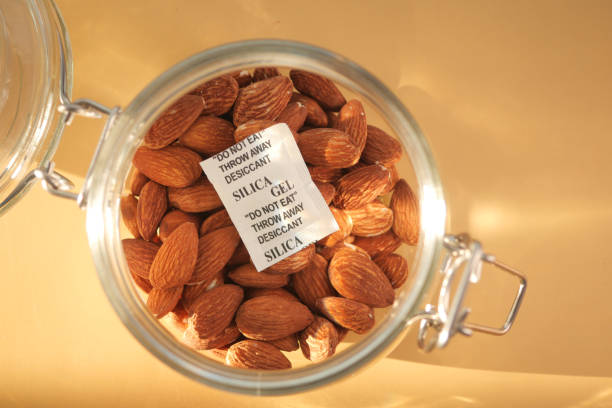
Most folks overlook those small packets stuffed in shoeboxes, vitamin bottles, and new gadgets. Forget about tossing them after ripping open the package—they don’t magically expire because someone stamped “Do Not Eat” on the packet. Silica gel, those transparent beads, loves snatching up moisture from the air, saving electronics, leather, and food from dampness. I keep every pack I find. It feels wasteful to throw them away. Turns out, these little dry agents don’t die after one run. They can dry out again, get back to work, and help your stuff stay dry another round. Too many people just know them as throwaway items because no one explains you can recharge them.Silica gel has a knack for soaking up water molecules like a sponge. After soaking up humidity, those beads hit their limit and need a little help to go back to being thirsty. They need heat. Toss them in a warm oven, spread on a tray, and let them “bake” around 250 degrees Fahrenheit for a couple hours. That heat pushes the trapped water out, so the gel is ready for action again. I’ve done this with old desiccant packets when my camera gear felt damp after muggy summer hikes. Full recovery isn’t magic. Some packets have dyes that change color to signal they’re saturated and need a recharge, so you don’t have to guess. Not all packets give these clues, though, so check if your packet has that extra feature. Some silica gels last for dozens of cycles before their performance drops. If the beads turn dark or mushy, or the packet rips, it’s time to retire them.People forget about safety when thinking about extending the life of silica gel. Some beads contain small amounts of cobalt chloride, which helps show moisture levels by changing color, but this chemical can be toxic. Don’t let kids or pets get into spent packets, and toss out any damaged ones. Regular clear silica gel doesn’t leach anything dangerous if you’re careful, but microwaving packets carries risks—they can burn, melt, or catch fire if heated for too long. Ovens offer more control; keep the temperature steady. Most household uses only demand a fraction of the gel’s original drying power anyway. For heavy-duty moisture issues, like flood recovery or industrial scale packing, commercial drying agents are better, since performance can slip after enough recharge cycles. The point is, if you stick to the basics, silica gel beats wasting new packets every time. This reduces unnecessary trash and gives you a reliable tool for home or travel.Reducing waste in small ways—like reusing silica gel—adds up and builds habits that help the planet and your wallet. Most people can set aside a jar for used packets. Once you gather a handful, replenish them on a baking day. If hobbies involve film cameras, seed saving, or collectibles, stash recharged packets inside your storage boxes and cases. For those with home workshops or who store tools and parts in humid corners, reusable silica gel helps prevent rust and mildew. Just keep them dry, check for wear, and cycle them through the oven when they start to lag. If you see performance slip, swap out with fresh batches, but don’t rush to discard every old packet after one use. With the right practices, each packet gets new life, and that matters more than most people realize.


