
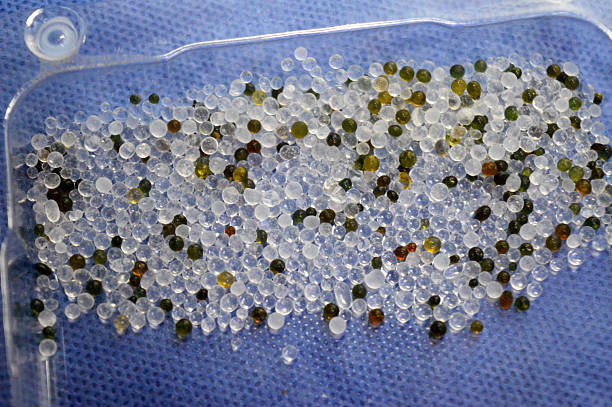
Silica gel packets show up everywhere: shoe boxes, snack packages, pill bottles. Many folks probably toss them straight into the trash without a thought. For anyone who’s tried to keep camera lenses dry, stored vintage comic books, or protected an heirloom from mold, those little bags become essential. The trouble is—the stuff inside doesn’t last forever. Silica gel has a limit. Once it takes in as much moisture as it can, it stops working. That’s reality. Over the years, as someone always chasing humidity problems with camera bags, I’ve come to respect the simple science behind these beads more than I ever thought I would.The way silica gel works isn’t complicated. It’s made of silicon dioxide. The beads have nooks and crannies that grab water from air. Silica gel doesn’t absorb moisture in the same way a towel does; it adsorbs vapor by trapping molecules all over its huge internal surface area. Each bead can handle only so much. After that, it simply stops pulling in more water. Running out and buying new packets every time seems tedious and wasteful, especially with prices and environmental concerns everywhere. Still, many people don’t realize their silica gel packets sit fully “loaded” most of the time, just riding around uselessly in a drawer or stuffed in a shipping box, doing nothing helpful.A lot of silica gel sold online nowadays has beads mixed with indicator dyes. If you’ve seen orange, blue, green, or pink beads mixed in, those colors change as the gel takes on moisture. For example, blue cobalt chloride beads start blue and go pink as they suck up water. Color changes give a visual cue. Not every packet has indicator beads, though, and sometimes regulations ban certain indicator chemicals because of safety worries. Relying entirely on a color signal isn’t foolproof. If you end up with plain, white silica gel—like the kind in most mass-produced packets—no color gives you a clue. In that case, even if you squeeze open the bag and take a peek, it all just looks the same.Most people don’t have fancy humidity meters or access to a lab. So, practical checks matter. In my own storage boxes, I use a trick: leave a small humidity card inside, like the ones made for guitar cases. If the card turns to the high humidity color, it probably means the silica gel packet has stopped working. Another method involves the old-fashioned “does it feel wet” approach. Usually, silica gel beads feel dry, hard, and gritty. If they ever start to clump together or feel mushy, chances are good they’ve absorbed all the moisture they can. In places with always-high humidity—like a basement after a rainy spell—these tiny beads reach maximum capacity a lot faster. If the stuff you’re protecting comes out feeling damp or musty, the gel’s definitely past its prime.I’ve learned through many soggy lens cleaning cloths that keeping silica gel working isn’t just a “set-it-and-forget-it” deal. You can’t fix waterlogged beads by shaking them. But silica gel, unlike many desiccants, can work again after drying it out. The trick is to spread the beads out in a thin layer on a dry, oven-safe pan and bake them at low heat, never over 250 degrees Fahrenheit. This process drives the trapped moisture out, reviving the beads for more use. Cheap silica gel packets might break open, so emptying them out onto the baking tray first is safer than risking packets leaking all over the oven. After an hour or two, and after cooling down, the beads go right back in service. Some indicator beads will turn back to the dry color during this baking cycle. Not everyone is motivated to go through the trouble, but it saves money in the long run and cuts down on waste.People spend a lot of energy trying to protect their gear, food, or sentimental keepsakes from moisture. Humidity doesn’t sleep. It sneaks into DSLR bags, gun safes, medicine cabinets, and closets. If you want to keep valuable items safe, you should keep a schedule—a little reminder to check silica gel packets every few months. The biggest risk is that people forget all about them until moisture damage shows up. Sometimes, by then, it’s too late. It isn’t reasonable for everyone to constantly monitor these tiny packets, but a quick reminder on your phone or calendar can save a lot of frustration. Specialty hobbyists—vinyl record collectors, amateur chemists, or home bakers—benefit from throwing a cheap hygrometer into a storage bin. Just seeing the humidity number go up tells you it’s time for new or regenerated desiccant.Some companies have started sending out special reusable silica gel packs with built-in color indicators. These packets last longer and can be dried out again and again. Labs, museums, and some careful home collectors rotate through several sets, drying one while using another. You don’t need fancy equipment, just an oven and a bit of patience. For those in humid climates, switching to larger desiccant canisters with built-in windows showing the gel beads—so you spot moisture buildup faster—makes life easier. Never trusting just a single small packet in an unpredictable storage setup is a lesson learned the hard way. The simplest solution comes down to a little vigilance. Learn which things matter most, keep tabs on the packets protecting them, and don’t be afraid to swap in fresh or rejuvenated gel before trouble starts.Stories pile up from people losing photos, electronics, or precious memorabilia to slow, invisible moisture damage. Silica gel offers an affordable backup between your valuables and disaster. If you ignore the packets or trust them past their saturation point, you roll the dice. No question, even seasoned pros mess up sometimes. I’ve pulled out a beloved film camera from storage only to find ruined seals and a growth of mold on the lens. All for want of a few dried-out beads. Dry air is priceless protection. Checking up on silica gel isn’t about being fussy. It means respecting the quiet labor these little beads perform, keeping things safe, often unnoticed. Taking a few minutes to make sure they still work saves stress, disappointment, and money.
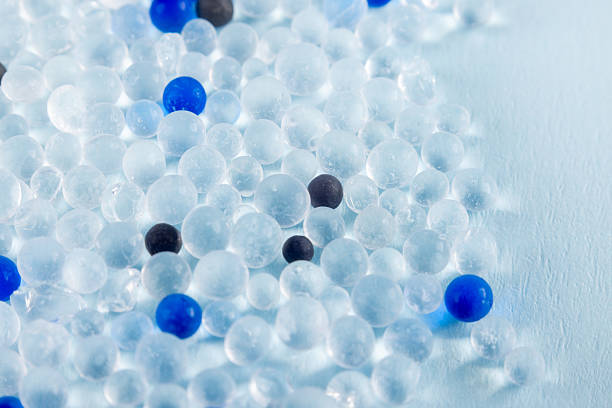
A small package marked “Do Not Eat” finds its way into nearly every shoebox or electronics package. Most people take one look and throw it in the trash. Here’s the thing those little packets rarely get credit for: they quietly protect everything from sneakers to camera gear, pulling moisture out of the air and locking it away. Over the years, I’ve stuffed them in everything from bags of flour to toolboxes, but those packs do their job best when they’re kept dry. The big question that comes up in homes and workshops is whether you must always throw them out once they get saturated, or if you can pop them back to life for another round. Turns out, tossing silica gel is often wasteful, and with some care, nearly all of it can be used over and over.Silica gel works through adsorption—think of it like tiny microscopic sponges with endless nooks and crannies that suck up water vapor. Unlike clay or rice, silica gel traps moisture more efficiently and doesn’t turn mushy. After a while sitting in a humid place, those little beads get loaded up with water and stop pulling any more from the air. You can feel the difference in some brands: they squish instead of crunch, and some even change color as they absorb water. But the magic of silica gel comes from the fact it hasn’t changed its core structure. If you heat it up and drive off the captured water, silica gel resets and goes right back to work. Common advice says you can put beads on a baking tray in an oven at around 120°C (250°F) for a couple of hours, let them cool, then pack them back in whatever needs protection. Chemical research backs up this practical kitchen trick—unlike fancy desiccants that break down or react after a single use, quality silica gel holds up for many cycles of drying and reuse.The real-life twist comes from how silica gel gets packaged and colored. Some packets come with indicator beads—orange, blue, or green—that change color depending on humidity. Blue becomes pink once saturated, thanks to a cobalt chloride coating, which actually brings up safety concerns because cobalt compounds have been linked to health hazards if inhaled or ingested. While the gel itself can be recharged, any damage to the color indicator component (like fading or crumbling) means it won’t signal effectively anymore, though its drying power stays intact. Other types, including some food-safe white beads, don’t have dyes and can be dried and reused again and again as long as they aren’t contaminated with oils, chemicals, or dirt. If the beads clump together, pick up odors, or show obvious staining, don’t bother recharging—mold, bacteria, or toxins can hitch a ride and defeat the whole point of using a desiccant.There’s a good case for putting in a bit of extra effort to recycle these packs instead of creating more landfill waste. In my own home, I gather spent beads in an old, roasting pan and give them a fresh bake every season. Shoes last longer, important documents stay crisp, and expensive seeds avoid rot. According to data from environmental agencies, we crank out tons of disposable chemical packs each year just to keep goods dry during shipping and storage—a cycle that doesn’t seem necessary when we can recharge most silica gel multiple times. The trick is to save packs after opening boxes, stash them somewhere safe, and occasionally regenerate them all in one go. Anyone serious about cutting down on everyday waste and plastics, reactivating silica gel packs offers a quiet but effective way to join the effort.Microwaves seem tempting for a quick fix, but real-world attempts don’t always pan out. Uneven pockets of heat and old beads with trace bits of metal can lead to burnt or even melted packs, while thin paper packets may scorch or ignite. Sticking with an oven or a food dehydrator, monitored closely, produces far more reliable results. Commercial settings dealing with sensitive electronics or museum pieces sometimes skip homebrew fixes and go for industrial equipment, but everyday families and hobbyists can use what’s already in the kitchen.Once you realize how often silica gel shows up in everyday packaging, you start noticing opportunities everywhere. Stashing them in camera bags, containers of spices, or jewelry drawers isn’t just thrift—it protects investments and cuts down on spoilage and rust. This approach lines up with real science: silica gel can work for years with proper care, and household-level recycling beats tossing the packs and buying new ones. That said, once a pack starts to crumble, develops an odd smell, or picks up visible grime, it outlives its usefulness and belongs in the trash.There’s a good reason those packets carry “Do Not Eat” warnings: additives to beads, especially color-changing types, shouldn’t mix with food or get left where kids or pets might snack. Responsible storage—sealed away from curious little hands—keeps everyone safe. For neighbors and friends constantly battling mold or soggy spice racks, sharing a quick recharge hack or passing along a few revived packs can open more eyes to simple ways of shrinking waste. Anyone diving deeper into silica gel’s chemical lifecycle finds a bonus: most of these packs can work through dozens of wet-and-dry cycles before finally biting the dust.
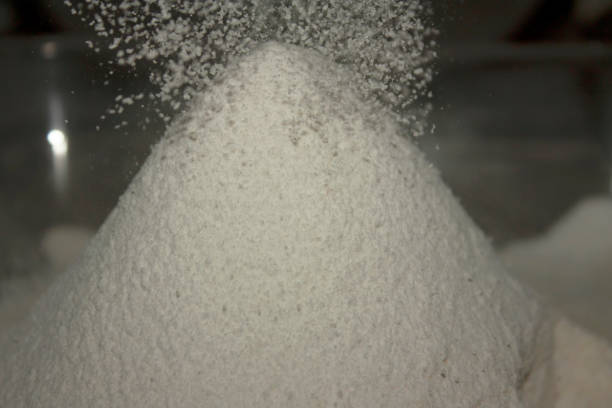
Fumed silica has earned its place in the spotlight for more than a century now, and for good reason. It’s not the flashiest ingredient on any invoice, but across paint factories, silicone industries, adhesive manufacturers, and even the bright labs of pharmaceutical development, it brings consistency and reliability that few other fillers can match. My first brush with fumed silica came during a summer spent wrangling roof coatings for a family business. Most people fixate on the big-ticket chemicals in those drums, ignoring the whisper-light powder added in at the mixing table. The difference with and without it felt obvious. Product clung where you put it instead of sagging down a wall. When our best tile setter reached for caulking smoothness, he always checked for that powdery additive—silica made it workable and tough at the same time. The simple physical changes it brings make the complex chemist’s calculations worth every hour spent on the blend.Choosing between hydrophobic and hydrophilic grades is a little like deciding between regular and low-fat milk—same main ingredient, entirely different interactions. Hydrophilic fumed silica finds its fans among paint blenders and resin engineers, especially where thickening in water-based formulations is the goal. Picture a latex wall paint that doesn’t run down your brush or ruin a fresh shirt. That behavior owes a lot to hydrophilic fumed silica locking in water and smoothing out the flow. By contrast, hydrophobic grades fill the need where water repels or when oil-based or solvent systems call for control. I’ve watched these powders knock down shine in a high-gloss varnish, stabilize consistency in a composite, and prevent caking in powdered foods meant for long transport. Many companies learned this hard way—misjudging which variety to use leaves coatings runny or sealants gritty, while the right choice feels like flipping a switch on performance.The production process, based on burning silicon tetrachloride in hydrogen-rich flame, gives each grade its unique footprint. Particle size ranges tell a direct story about application and behavior. Smaller aggregates, shaped by the original reaction, deliver a large surface area per gram and bind liquids fast. These fine grades thicken quickly and create a haze that works wonders in diffusing light for matte paints or cosmetics. On the other hand, coarser types, favored in concrete or construction adhesives, supply just enough body without making a formula feel heavy. Adjusting between grades can make or break a production week. A cosmetics firm once upgraded to a finer grade trying for a silkier face powder, only to jam its packaging equipment. The fix relied on dialing particle range back up, balancing smoothness and flow. In real-world settings, manufacturers walk a tightrope, checking equipment capability and handling limits while chasing that perfect balance.As a supporting player, fumed silica pulls its weight far outside the traditional lab. In my time helping a friend launch a boutique epoxy flooring brand, we tested dozens of flow modifiers and anti-caking agents. The only consistent solution for anti-settling and shelf-life involved fumed silica—small amounts transformed heavy, pigment-rich mixes into products anyone could stir and apply without special machinery. Food industry leaders lean on specialized food-grade types to keep powdered soup mixes flowing in steamy warehouses, avoiding clumps that spoil batch after batch. Battery developers, swimming in hazardous chemistries, mix it into separators and gels to keep electrolytes where they belong, pushing energy density without risking leaks or shorts. Construction crews blend it in resin anchors, loving how they flow around rebar yet harden up strong as iron in a few hours. Across all these stories, the key remains the same—a focus on detail, process, and willingness to tweak the formula keeps business rolling forward.Despite the many upsides, fumed silica isn’t the sort of thing anyone would want caught in their throat, eyes, or lungs. The ultrafine nature of the powder means it lifts at the lightest touch, creating dust clouds in dry rooms and mixing bays. Standing over a filling line, I grabbed for a mask more than once as the air went cloudy. Companies and workers who treat handling seriously—installing local exhaust, wearing proper respirators, and controlling spills—tend to avoid the worst hazards. But experience trained many old hands to be careful because rushing cleanup or mixing without the right gear usually leads to coughs that last all afternoon. Adding it into liquids or resins brings its own headaches, as dispersion devices need patience and a slow hand. Skipping slow mixing or aggressive shearing leads to clumps, which eat into product value and consistency. Investment in better mixers, updated safety protocols, and routine worker training stays a priority for crews aiming to keep both quality and safety high.For years, buyers saw fumed silica mostly as a cost to control, questioning if cheaper alternatives could do the work. Yet every time a batch failed for lack of flow or ran off the wall in the paint shop, the phone rang for a reorder. Economic pressures pushed some buyers to look overseas, but product consistency, supply chain interruptions, and regulatory risks motivated many to return to trusted sources. In regional coatings trades, whispers circulate—those who stuck with reliable grades stay in business, while others risked losing entire contracts over one bad run. Sustainability concerns are shaping the questions about feedstocks, byproducts, recyclability, and emission controls. Smart research teams experiment with bio-based silicas or recycled raw materials. Responding to demand, some manufacturers refine their thermal processes to cut energy waste, yielding greener profiles while delivering the same technical properties. Keeping pace with changing standards means industry experts and regulators compare notes regularly, ensuring end users get updates that truly matter for safety, handling, and performance.Looking back through my years around factories, startups, and field installation work, nothing replaces local know-how when it comes to getting the most out of fumed silica. It’s easy to miss how a textbook specification can fall short under real pressure—from a humid truck dock to a paint crew fifteen floors up. Talking to skilled operators, not just lab technicians, made the difference, flagging which lots performed best or what tweaks shaved hours off cleanup. Tawdry sales pitches for miracle additives never stood up to a seasoned foreman running his file down the edge of a cured epoxy or popping open a caulk tube at subzero temperatures. In the end, the future of fumed silica depends on the people who use it daily—sharing feedback, pushing manufacturers to innovate, and refusing to settle for less than products that work as hard as they do.
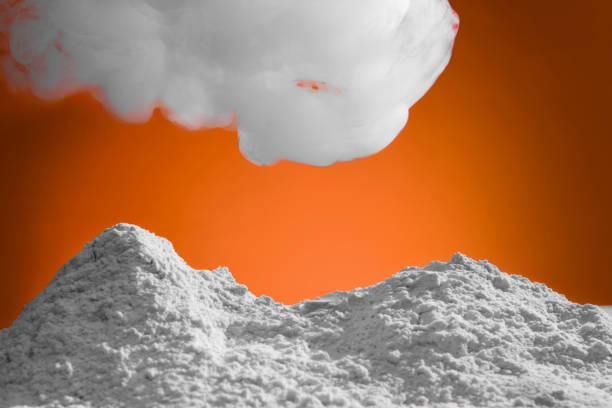
You’ll notice two big categories if you ever sort through options in fumed silica: hydrophilic and hydrophobic. These labels sound technical, but the core idea couldn’t be more straightforward. Hydrophilic fumed silica loves water. Hydrophobic fumed silica refuses to mix in, repelling water instead. Scientists tweak the surface of the same microscopic silica particles with chemistry so one type binds to water and another pushes it away. That small change in attitude splits these options for real-world work.Hydrophilic fumed silica slides right into water-based systems. It thickens paints, improves stability in gels, and keeps powders flowing. I see it often in adhesives, coatings, and makeup formulas where water forms part of the mix. The fine nature of these particles keeps mixtures from dripping down a wall or separating in the bottle, which matters a lot if you’re fixing up your bathroom or working on an art project. In dental impression pastes, teeth-whitening gels, and even in pharmaceutical suspensions, hydrophilic fumed silica pulls its weight by balancing texture and spreadability. It treats surfaces gently but keeps things from clumping.Hydrophobic fumed silica brings value to jobs that can’t stand water—think silicone sealants, oily cosmetics, powdered spices, and anti-caking agents. Oil-based coatings and lubricants work better when they don’t soak up moisture from the air, and hydrophobic silica creates that dry, slick finish. It helps keep pigment-based pastes smooth and creamy, letting artists and manufacturers turn out consistent results in everything from auto paint to lipstick. In my time helping out with construction, I’ve seen hydrophobic silica fight water seepage in cement and keep rubbery caulk from going mushy. It matters for keeping products fresh on the grocery shelf, too, where it stops seasonings from clumping no matter how humid the day gets.People sometimes think a powder is just a powder, but fumed silica types offer different strengths. Uncoated hydrophilic versions absorb and distribute the water, but this turns into a drawback when moisture spells trouble for a final product’s performance or shelf-life. Powdered food, for example, clumps once it pulls in moisture, and pharmaceuticals with water-loving fillers could struggle in damp storage. Years ago, I helped a friend make homemade bath bombs; choosing hydrophilic silica left us with a sticky mess any time it rained. Hydrophobic silica dodges this problem. In paints and inks, the type you pick determines if your mixture thins or thickens, stays beautifully mixed, or becomes a separated mess. The chemical tweak on hydrophobic silica makes the surface almost waxy, swapping water bonding for partnership with oils and resins.Missing the mark with your choice can mean wasted effort and disappointing results. During an experiment with custom air-drying clay, sticking with hydrophilic silica brought cracking and poor setting when sealed with varnish. Unwanted water trapped in the mix bubbled up and ruined the project. On the flip side, another time helping a neighbor with concrete repair, we swapped in hydrophobic powder for the filler and saw measurable improvements in water resistance—no crumbly edges even months down the line. For cooks and chemists, choosing the wrong grade could mean spoiled stocks, bad mouthfeel in gels, or unpredictable shelf lives. Over time, even the most seemingly trivial filler can dictate the reliability and enjoyment of a product. It goes further: workplace safety depends on picking the right option, since hydrophobic silica doesn’t create the same slip hazard around spills. In high-value manufacturing, using a water-attracting agent in oil-based applications leads to unplanned maintenance and ruined batches.Clear thinking helps guide the right selection. Fumed silica always sounds intimidating at the start, but matching it takes nothing more than knowing what your end goal looks like. If you’re working with water-based solutions or want to smooth out a powder blend, the hydrophilic path stands out. For jobs that need to shrug off moisture—industrial coatings, powdered snacks, cosmetic creams, or anything vulnerable to humidity—hydrophobic silica stays ahead. Some laboratories have begun researching hybrid approaches, pre-mixing a calculated blend of hydrophilic and hydrophobic types to split the difference, so products benefit from both good mixing and water resistance. The most reliable method is to test a small batch using the actual formulation. Patterns appear fast—too much clumping, too much water, or poor blending stand out on the workbench long before they cause big losses in the warehouse.Modern supply chains make both versions widely available, so cost differences usually don’t drive the choice. It falls to knowledge, not price tags. A well-trained formulator or an experienced craftsman knows that just a tweak—sometimes barely half a percent—of the proper fumed silica type can turn a frustrating mixture into something that works every time. Manufacturers and small-scale creators both benefit from taking a hands-on approach, testing under local humidity and temperature, and seeking advice from technical data resources or peers with direct experience in similar applications.Deciding between hydrophilic and hydrophobic fumed silica offers a lesson in practical chemistry. Understanding where water belongs and where it needs blocking keeps recipes, projects, and products dependable. If you aim for top performance in your work—whether making art, food, cosmetics, or repairs—a basic grasp of these two silica types gives that much-coveted edge that only a little attention to detail can provide.
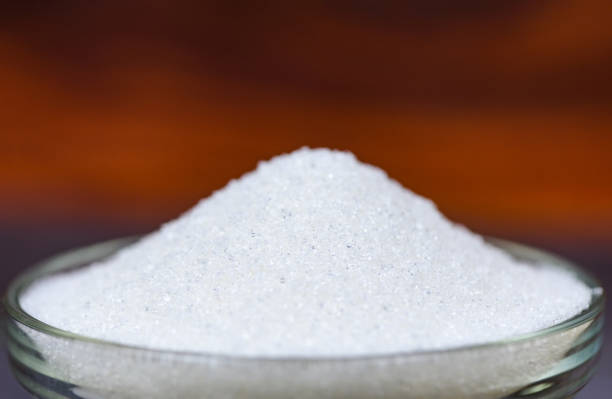
If you’ve ever bothered to check the back label on a can of paint, fumed silica probably doesn’t catch your eye. The word itself sounds technical, even mysterious. Yet this fluffy white powder turns out to be one of the unsung heroes in making coatings behave the way most people expect. I’ve spent enough time around shop floors and paint professionals to see how a small shift in an additive can make a coating go from a sticky problem to a smooth, even finish. That’s where fumed silica steps in—to stop drips, hold pigment in place, and give coatings a fighting chance against the rough conditions of weather, time, or just a careless brushstroke. Fumed silica isn’t just regular dust tossed in for bulk. It works on the microscopic level, forming a network within the liquid that holds everything together. Imagine a tangle of fibers you can’t see with the naked eye, but that can thicken liquids well below what most thickeners can manage. This powder packs a punch because of its enormous surface area. Just one gram can have surface area topping 200 square meters—a single spoonful can influence buckets worth of paint. Because of those tangled chains at such a small scale, paint feels right between brush and surface. Paint makers count on it to reduce sag, so no one has to deal with unsightly runs or streaks down the wall. I’ve seen batches of coatings ruined by settling or separation, and nothing ruins a painter’s mood like having to remix every half hour. Fumed silica solves that by stabilizing the mixture. Pigments and filler particles stay suspended longer, which means the color in the can matches the swatch and the color on the wall matches the vision in your mind. In industrial shop work, that kind of stability can save thousands of dollars in wasted time and material. Technical staff rely on it because it keeps two-part systems from slumping while curing, makes sure spray applications don’t run off curved surfaces, and improves shelf life by a wide margin. Anyone working with marine, automotive, or floor coatings understands how brutal the environment can be. Sun, salt, abrasion, and chemical exposure separate good coatings from the ones that peel after a single hard season. From my experience, coatings loaded with fumed silica stand up better to the punishment. Scratches and scuffs become less frequent because the additive increases mechanical strength by linking up inside the dried film. Chemists have shown that it helps keep coatings from absorbing too much moisture, which would lead to early failure or unsightly blistering. In corrosive or humid environments, this tougher film can extend the useful life of coated metal or wood, reducing maintenance cycles and environmental waste from constant repainting.Most people in labs or working on large projects know that additives can be a two-edged sword. Some thickeners leave residues, shift colors, or release fumes. Fumed silica has earned its spot as a staple because it does the job cleanly, with minimal reactivity or safety risks under proper handling. Factories turn to it for robotic spraying, where flow control is everything. DIY remodelers unknowingly benefit when their kitchen paint dries smoother and doesn’t drip. Smart manufacturers also tweak the grade and treatment of fumed silica to fine-tune finishes—matte, glossy, textured—and hit quality marks. Everyone from paint makers to facility managers faces pressure to cut waste, improve recycling, and reduce emissions. Fumed silica supports those goals by lowering the number of coats needed, reducing failures from surface flaws, and helping coatings work on a broader range of surfaces without elaborate prep. The stability it brings means leftover paint in cans stands a better chance of being reused rather than tossed. For large-scale production, fewer rejects mean less product in landfills and less chemical runoff. Every bit of efficiency counts, especially as regulations get tighter around both volatile organic compounds and hazardous waste. No material comes without trade-offs, and fumed silica sometimes introduces dust concerns or poses handling challenges in large-scale mixing. Overdosing can cause paint to thicken excessively, or even clog equipment. The sharpest teams address this by adjusting dosing protocols and using newer, treated versions that limit airborne particles or blend faster. Engineers invest in better automation for powder addition, which ensures consistency and protects worker health. Personal experience shows much of the headache disappears with simple precautions and regular training—investments that always pay off. From my years around construction lots, labs, and industrial sites, the value of fumed silica doesn’t come from flashy marketing but from the fact that coatings work better and last longer. It streamlines jobs, saves labor, and lets everyone from professionals to home painters see better results with less fuss. No magic bullet, but it’s a key example of smart chemistry delivering everyday benefits—something worth keeping in mind next time a “small” additive shapes how we protect, color, and improve the surfaces around us.
Walking through the dense web of chemical materials, HL Series hydrophilic fumed silica stands out with promises of improving viscosity, boosting stability, and ramping up performance across everything from paints to adhesives. But the choices rarely seem straightforward to people outside R&D centers or university labs. I have seen the tables full of grain sizes and surface areas, but real-world use always comes down to a question: “What actually changes in my process, and is it worth the adjustment?” For manufacturers and formulators, picking the appropriate grade of fumed silica can make a mess of decision-making. Markets love to talk about particle size distribution and surface chemistry, yet what matters most is how it feels on your line, how it solves a challenge in your formulation, and whether it brings value to your final product without creating a dozen new issues to fix.In my hands-on experience in the coatings and sealants industry, fumed silica never simply slots into a formula. Its role as a rheology modifier can mean the difference between a sagging wall paint and one that glides on with the proper body, standing up to gravity even on a humid afternoon. Hydrophilic grades, like those in the HL Series, tend to be prized for their exceptional dispersibility in polar systems. There is a lot of talk about “thixotropy,” but those outside a lab might just call it thicker or easier to control during application. That detail matters when the highlight reel is all about user experience and shelf stability. Consumers don’t ask about silica surface area – they remember whether the product separated in the can, or if a caulk pulled away from the surface soon after drying. That’s where fumed silica earns its reputation, and why the selection process deserves more attention than a simple datasheet scan.Choosing among the HL Series options often forces a balancing act between performance improvements and production headaches. Higher surface area usually promises better thickening and anti-settling, yet that doesn’t always translate into smooth processing. In my experience, a finer grade with higher specific surface area tends to clump up during mixing, especially without good equipment or with hastily trained operators. There’s a risk of dusting and inhalation, triggering both health and housekeeping headaches. Formulators might switch to a lower-surface-area grade just to keep batch consistency up and employee complaints down. Sometimes, it takes multiple pilot batches before the decision feels right—and by that point, the purchasing manager is already negotiating the next shipment with an eye on unit price over performance curves. This tension—between laboratory optimization and factory realities—defines the selection process far more than technical datasheets let on.I haven’t forgotten the sense of urgency that creeps in when the production line stops because a material doesn’t disperse the way it did on the bench. HL Series grades with lower bulk density might be easier to pour, which seems minor until it becomes a debate over waste, dust containment, and line throughput. In the adhesives business, the wrong grade can mean air bubbles and product returns, both costly in ways spreadsheets don’t show. Each downstream problem often lands back on the formulation team, who learn quickly how small a margin exists between “perfect” lab samples and successful scale-up. Often the most successful teams spend as much time in production bays as they do under fume hoods, learning what’s workable and what creates headaches on busy lines. This constant back-and-forth reflects a deeper truth: all those datasheet figures only matter if they translate cleanly into the rhythms of day-to-day manufacturing.The world of specialty chemicals has always struggled with bridging the gap between sales claims and real-world results. Manufacturers of fumed silica, especially hydrophilic grades, can do a lot more by sharing not just the specs, but also practical advice based on user feedback. Having data on viscosity changes at common loadings, anti-settling effectiveness in different binders, and even processing quirks in industry-specific settings would go further than another paragraph about surface chemistry. When I worked with production teams on automotive coatings, getting honest feedback from peers at other plants shortened our learning curve far more than any glossy technical bulletin. Transparent communication—sharing both success stories and tough lessons—lets new adopters avoid common pitfalls and helps everyone use advanced materials like HL Series more wisely, reducing waste and boosting product reliability in the process.In an age where corporate buyers and technical managers are expected to move fast and hit every target, decision-making around materials like hydrophilic fumed silica needs both evidence and plain language. Quality documentation goes hand in hand with peer-reviewed application studies and real process data. Users want to see test results from independent sources and read about failures as well as wins. The demand for transparency sits alongside the need for experienced advice, which only comes from engineers and chemists who have been down the road of product launches and scale-ups. HL Series fumed silica continues to shape industries from paints to personal care, but its full value only comes into play when technical support teams listen to customers, share best practices, and treat every batch run as an opportunity for real-world validation.Most official documentation can’t capture what happens in the thick of a shift, when machinery roars and operators work around the clock to keep schedules on track. I’ve seen new materials sidelined because they took too long to blend or produced clouds of dust that tripped alarms. Even the most technical teams sometimes skip the “best” material in favor of what works reliably under the pressure of quotas and deadlines. HL Series hydrophilic fumed silica offers proven benefits, but even its fans will admit the real story unfolds only after it goes beyond the lab and into the plant. The last word belongs to those who use it daily, learn its quirks by heart, and adapt the process to suit the unpredictable pace of real production. These voices—practical, informed, and battle-tested—shape how new materials truly succeed.


