
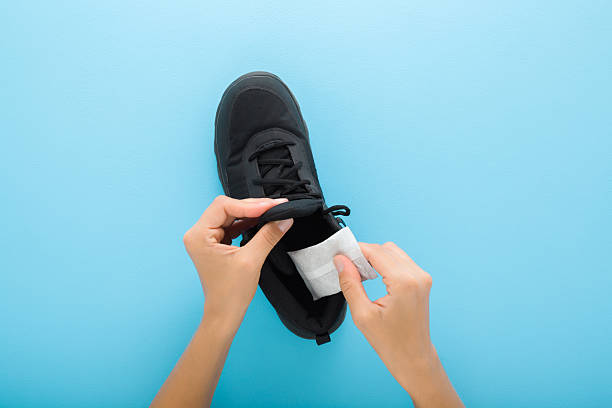
Silica gel packets turn up everywhere—stuffed in new shoe boxes, tossed into electronics packaging, or hidden in a vitamin bottle. Most folks toss them straight in the trash once they go limp, figuring their work is done. Waste like this always feels irksome to me. Silica gel can handle way more than a single round of moisture absorption, and with a bit of patience, you can give those beads a new lease on life instead of sending them to the landfill. People like me, who save money where possible and hate extra waste, pay attention to ways to extend the utility of household items. Reactivating silica gel makes sense, not just for thrift, but for sustainability. If you’ve stored camera gear or vintage books, you know those packets do real work to stave off mold and moisture. Silica gel’s job stays essential as long as it stays dry. That means the stuff needs occasional rehab, not replacement—if you’re willing to put in a little effort and care about the planet.My go-to for reviving silica gel is the oven. Good ovens give even heat, and reliable, thorough moisture removal. Before you throw them in, check if the packets use paper or fabric. Many hold up fine, but some cheap packets melt or catch fire, so always stick with plain gel beads on a baking tray if you’re unsure. Preheat the oven to around 120°C or 250°F, since higher temperatures can damage the beads and turn old packets into a mess or even a hazard. Lay the beads out on a tray in a single layer to expose as much surface area as possible. Leave the tray in for about two hours. Sometimes, especially for larger amounts, you need longer—keep an eye on things. If you see any discoloration or scent, turn off the oven and let the tray cool with the door open. Nothing beautiful about a kitchen that smells like burnt chemicals or worse, a smoke alarm overreacting to a botched experiment. Patience fixes that problem.Many people ask about the microwave, since it seems faster. Microwaves work, but bring a host of risks. Never use the microwave unless you’ve removed all packaging, since even thin paper can burn and spark. Pour beads into a microwave-safe glass or ceramic container, and don’t use metal. Microwaves heat unevenly, and you can’t always spot hotspots until it’s too late. Run the beads on low power for thirty seconds at a time, stirring between rounds. Most home microwaves blast too hard even on lower settings, so go slow. Always watch for steam—if you see condensation, open the door and stir. The process could take several minutes, even as much as ten. Microwaves can crack cheap ceramics, leaving you with hot, broken dishes and scattered beads on the turntable. I’ve ruined a bowl or two like this, so start with a thick, sturdy container, not your fanciest dish. While the microwave suits those in a rush, it takes more vigilance and brings a greater risk of overheating, causing beads to pop or crack. Missing those cues means wasted gel and wasted effort.Putting silica gel out in the sun sounds like a clever, energy-saving shortcut. In most climates, sunlight doesn’t get hot or dry enough to restore those beads fully. The process can take all day and works best during dry, breezy stretches. In humid regions, you’ll barely put a dent in their moisture load. Set the packets or beads out on a metal sheet or tray to soak up as much direct sun as possible, but beware—wind carries packets off with zero warning, scattering them into the grass or the neighbor’s yard. Sun drying feels slow and won’t match the thorough dryness you get with kitchen appliances, but in a pinch, it provides some improvement over doing nothing—just don’t expect a miracle. If you live in Arizona or a similarly arid place, you’ll see better results than if you live in the muggy Midwest, but the process works best combined with some extra time in the oven after, just to finish the job.It’s tempting to rush the drying because you want to reuse the packets right away, but burned beads, melted packs, or small fires wreck the purpose. Don’t crank up the oven or nuke the beads on high hoping for a quick fix. Take care to cover the work area and avoid breathing in any enchanted dust—it’s not toxic in the ordinary sense, but nobody needs gritty powder in their lungs. You also can’t revive beads that have picked up mold, food, or oils. Toss those out and cut your losses. One trick I’ve used: color-indicator packets make the job easier. Some silica gel beads change color depending on how much moisture they’ve soaked up, so if you see blue or orange fade out and then brighten after drying, you know your method worked.Let’s face it, packaging designs rarely think about reuse or recycling. Companies could print clear instructions for reactivation on the packet or, better yet, design reusable, refillable canisters you can open, dry, and reload easily. Apartment dwellers and city folks often lack ovens or outdoor space. Local libraries, camera clubs, and DIY spaces could host “dry-down” events where people bring in spent packets for a mass oven session. Community groups always look for practical ways to reduce waste. My experience growing up in a frugal household proved that even the smallest hacks add up over a lifetime. Every packet reactivated equals less trash, fewer microplastics, and a tiny win for your wallet. Change takes one person at a time, one kitchen session at a time. If you want dryness and less guilt, take five minutes to revive those beads. One batch each month keeps closets, storage bins, and electronics in better shape—while also sending a message to businesses that real people value practical, sustainable solutions.
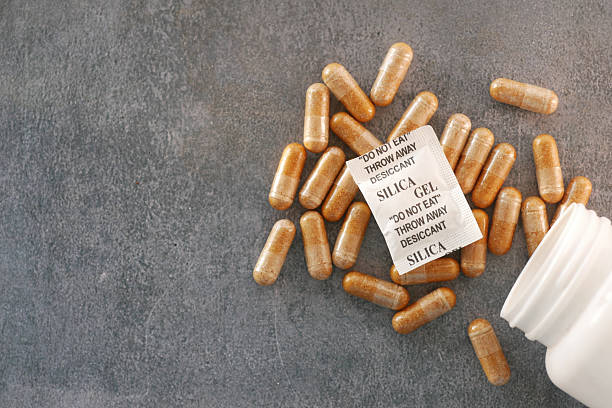
It’s easy to forget about those little packets tucked into vitamin bottles, new shoes, and every shipment from Amazon. Silica gel works quietly in the background, battling moisture wherever it sneaks in. Over time, that gel soaks up water like a champ, but it loses its kick and goes limp. For anyone looking to keep their gear dry—from camera closets to ammo cans—it’s worth understanding how to bring those beads back to life without sending them to an early grave. I’ve fried more than one batch during desperate attempts, thinking more heat meant faster, better results, so this comes from much trial and error. Folks slip in silica gel for protection and assume any old oven routine will do. That’s a mistake. Silica gel stands up to a fair amount of heat, but every degree matters. If you set the oven too high, you’re not just pushing out water—you’re cracking the structure that makes the beads absorb moisture in the first place. The magic happens around 250°F to 300°F, or 120°C to 150°C. At that range, water gets chased out, but the beads keep their pores open for the next round. Crank things up further, and you risk scorching the gel, breaking bonds, or even fusing pellets into a useless lump. Worse, some color-changing packets use cobalt compounds for blue-to-pink humidity signals. Hit those too hard, and the coloring stops working, leaving you guessing about their status.In a pinch, the microwave feels like a shortcut. Pop in a container, hit the timer, and out comes dry gel. Reality gets tricky. Microwaves heat unevenly, so pockets of steam form inside the beads. That can cause popping, sudden bursts, or melted plastic containers. I once left a batch in for three minutes because the beads felt moist, and the result was a scorched mess and a kitchen that smelled faintly toxic for hours. The only silica gel that stands up to microwaving has clear manufacturer labeling for that use, often embedded with a marker that tells you when the beads are spent. Even then, running in short bursts at low power is safer, allowing the moisture to escape gently. It’s no fun pulling out a batch, only to find half of it fused and the other half still damp.No one likes thinking about low stakes—just little white beads in tiny packets. Yet behind every successful moisture fight, there’s a risk of doing it wrong and leaving precious gear exposed. People share tips like “just toss it in the oven” or “use the microwave on high,” but they rarely mention that excessive heat in either method breaks down the very structure of the gel and sometimes compounds inside. According to published research from the U.S. National Institutes of Health, temperatures beyond 300°F mean fewer cycles before performance starts slipping. Judging from everyday life, that means replacing or re-drying more often, wasting time and energy. And not everyone knows some indicator silicagels use cobalt chloride, a substance flagged as carcinogenic in some countries—overheating can make whatever chemical mix is inside much less reliable. Mixing no-name packets in sketchy plastic containers makes that gamble even riskier.Rather than winging it, dry silica gel slow and steady in a reliable oven, sticking between 250°F and 300°F for a couple of hours. Spread the beads in a single layer to help steam escape, not clump up. Skip the microwave unless the label clearly says it’s safe. Give the process time—steam has to work its way out slowly or you’re left with a half-baked fix. Trust the color indicators, but back them up by weighing the beads before and after—they’ll drop in weight as moisture leaves. For those using gel in sensitive spots—places where mold or rust can cost hundreds—the extra patience pays dividends. Store recharged gel in airtight jars as soon as you pull it from the heat to keep it bone dry. In an economy where making things last can mean the difference between replacing or repairing, taking the time to dry out silica gel the right way matters. Floods, humidity spikes, and summer heatwaves have more folks dusting off those old desiccant packets, hoping for a little extra insurance. Following the temperature guidelines keeps your silica gel working again and again. The habit also cuts down on unnecessary waste—few people talk about environmental impact, but burning through packets that could be reused only adds more trash into the world. Knowing the temperature means getting the most from every batch, saving gear and money in the long run. Responsible handling—whether air-drying, oven-baking, or storing—isn’t just about being frugal. It’s about squeezing every bit of value from these tiny workhorses while keeping safety and results at the front of the line.
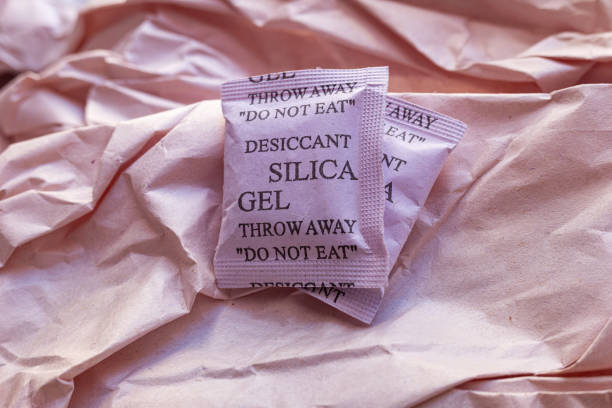
Most folks know the familiar crunch beneath shoebox lids—that little packet labelled "Do Not Eat." Silica gel packets have a special job in everyday life: they trap moisture. You’ll find them tucked deep inside electronics boxes, pill bottles, bags of snacks, and even gym bags. The principle is simple. Silica gel acts as a desiccant, which means it pulls water from the air and holds onto it. Where humidity can mean trouble—think mold, stale odor, or even rust—these tiny beads offer protection. There’s nothing flashy or high-tech here, just lots of tiny pores eager to soak up water vapor. Many people keep these packets long after they've opened their packages, and some even give them new life by reheating or recharging them. Recharging silica gel means driving off the water it has absorbed so it can tackle moisture again. This process usually involves heating the beads at a safe temperature, either in an oven or even a microwave, depending on the packet’s casing. Once baked, the water inside the beads evaporates away, leaving the gel nearly dry—ready to work again. Yet, a big myth tends to creep into online forums and DIY discussions: the fear that “recharged” packets might somehow start leaking moisture the next time they’re put into use. Let’s set the record straight. Silica gel acts like a sponge. Once it’s fully dried out by heating, it simply sits dry, waiting for a chance to absorb moisture again. It doesn’t “release” water unless it’s exposed to high enough temperatures or humidity to force some equilibrium. Even then, what actually happens is a slow exchange, not some sudden spill of water molecules. There’s no mechanism by which the packet will start sweating or dripping after an oven recharge, unless it gets oversaturated and can’t handle the extra humidity in its environment.Knowing how silica gel packets behave after recharging isn’t just a matter of curiosity. Our homes, especially in regions with sticky summers or unpredictable spring rains, get packed with stuff that suffers when humidity climbs. From the closet full of seasonal shoes to photo boxes and family heirlooms, moisture builds up slowly and quietly. If you store old cameras or guitar strings, you want real peace of mind that your gear stays dry. Some folks stash silica gel in safes, camera bags, or ammo lockers. Getting free mileage from a packet by recharging saves money and cuts down on waste. It helps that the safety math checks out. Freshly dried silica gel doesn’t add moisture to the air or threaten your valuables; it returns to work soaking up damp conditions—not creating them.Silica gel owes its power to the fact that it’s amorphous silicon dioxide, crammed with millions of microscopic holes. That structure grabs onto water vapor with surprising eagerness. Lab researchers have measured the holding capacity: a gram of silica gel scoops up roughly 40% of its own weight in water. Once it reaches that limit, the beads turn a different color if they contain cobalt chloride dye—usually from blue to pink. To recharge, heating at 120°C for a couple of hours is enough to chase off most of the adsorbed water. After cooling, silica gel returns to its original thirsty state. Even if packets aren’t “food-safe” once heated, they remain fit for protecting tools, documents, or clothing. The chemistry doesn’t change, and nothing gets released unless you leave packets directly in steam or submerge them.One headache in today’s world revolves around disposable culture. Silica gel packets look like yet another single-use item. Tossing them doesn’t just fill up a kitchen trash can; those little packets add to larger mountains of waste at recycling facilities. Recharging silica gel offers a fix. Home bakers and careful hobbyists figured it out years ago: a quick roast makes old packets useful again. By reusing silica gel, we cut down on buying new packets and reduce landfill waste. For folks worried about microplastics in the environment—the cheaper, nonwoven bags do break apart over many cycles—switching to silica beads sealed in reusable tins or jars offers another sustainable route. Refillable cartridges or desiccant boxes can outlast a hundred throwaway packets, given a little maintenance.Some common sense keeps the whole process safe. Never eat the beads, and don’t let pets chew up the packets. Certain colored silica gels rely on cobalt chloride dye, a known carcinogen, as a moisture indicator. Once recharged, that dye doesn’t leak out in any conditions you’d see at home. Still, it’s wise not to use dyed beads close to food or medicine storage. Always recharge packets in a well-ventilated spot and avoid overheating, which can turn the pouch material brittle or singe it, especially with cheap plastic wraps. Trying to sun-dry silica gel rarely finishes the job, so a proper oven routine works best. A glass baking tray and a timer are all you truly need.Growing up in a house where nothing got tossed unless truly broken, I learned the value of small, overlooked objects. Silica gel fits right in. People often forget about these packets after tearing open shoe boxes. The science says: dry out the beads, and they’ll get back to work. They don’t suddenly ooze water or put a damper on your valuables. The key is storage. If left in the open air for long, a packet sucks up moisture all over again and then tops out, losing its punch. After recharging, toss silica gel straight back into a sealed tin or container that needs protection. Repeating this cycle keeps important things safe and stretches the life of every crumbly little packet, saving new purchases and helping cut waste. Knowledge isn’t just power; it’s also a way to be a little smarter with the stuff already in our hands.
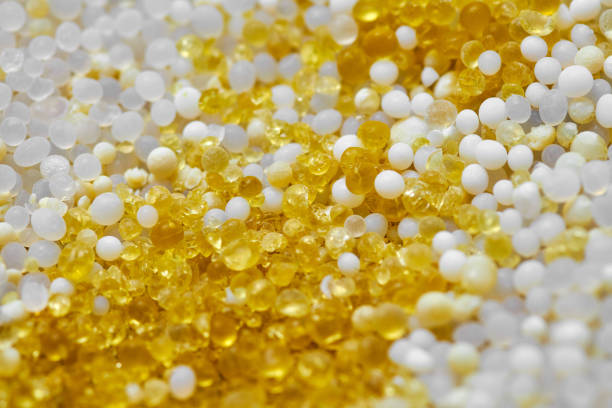
Walk into any shoe store or unpack a new backpack, those small, crinkly packets marked “Do Not Eat” greet you. Most folks spot the bold warning and wonder, “Is this stuff actually poisonous?” Silica gel packets hide in medicine bottles, electronics boxes, and beef jerky packs because they suck up moisture. It’s a form of silicon dioxide, the same mineral that makes up sand. Manufacturers love it for a simple reason: keeping things dry stops mold, clumping, and corrosion. Many people suspect silica gel is lethal because of its strong warnings, but the story is less dramatic. I’ve dug through studies, spoken with folks who work in packaging, and even chatted with ER doctors. They told me silica gel is classed as “chemically inert.” This means it won’t react inside the body if swallowed accidentally. The human gut doesn’t break it down, so it moves through without entering tissues. That’s not an invitation to eat these little beads—they can cause choking, especially in little kids and pets. But it’s not about toxicity, it’s about the physical danger of obstruction.Word spreads easily on social media that mysterious chemicals cause cancer. People often link silica-related lung disease, like silicosis, to silica gel. The mix-up comes from confusing amorphous silica (what you find in silica gel) with crystalline silica dust (like from sandblasting or mining jobs). It’s the fine crystalline dust, inhaled over years, that damages lungs and ramps up cancer risk. Silica gel, used as a desiccant, doesn’t split into airborne particles under normal storage or use. In over a decade writing about consumer product safety, I haven’t seen credible cases or scientific warnings about silica gel packets causing cancer under household conditions.Bold warnings exist because of the risk to children and pets who tend to pop things into their mouths without question. Choking is the big concern—not poisoning. Sometimes packets contain a few blue beads, which use cobalt chloride to signal moisture levels. Cobalt chloride wasn’t intended for food use and can be mildly toxic if consumed in large quantities, but almost all silica gel packets in consumer products use non-cobalt alternatives now. The “Do Not Eat” notice isn’t about hidden danger. It tells you not to mistake this packet for a salt or sugar packet, which sounds obvious, but accidents happen.I’ve swept up more than my share of silica packets from grocery bags and junk drawers. I toss them out of reach of kids and cats and make sure not to tear them open. Anyone with toddlers or pets needs to do the same, since curiosity often beats out common sense. If someone swallows one, a call to a doctor or poison control is smart—they’ll likely say to watch for signs of choking or discomfort, not panic about poisoning. For folks who hate waste, silica gel packets can live a second life. They keep camera bags dry, defend tool boxes against rust, and help salvage a damp cellphone. Knowledge and a few simple habits can make these packets harmless little allies, not sources of fear.The “Do Not Eat” slogan works, but doesn’t tell the whole story. Sometimes, plain talk cools panic faster than warnings alone. Clear packaging or websites that actually explain the safety issue would shrink fears about toxicity and answer honest questions. Too many warning labels treat adults like children. Honest information earns trust, not just compliance. If you feel uneasy about silica gel, pushing for better transparency makes sense. I’ve learned most concern fades fast with a little real-life perspective and access to straightforward facts.In the flood of alarming labels and viral headlines, it helps to gut-check the real risks around household products. Silica gel does its job invisibly, with little risk unless kids or pets grab the packet. My rule: know what’s in your stuff, read up when you don’t, and never eat something labeled “Do Not Eat.” An informed community doesn’t fall for every health scare, but speaks up for clearer, better information and keeps a close eye on kids or pets when tossing new bags or packages onto the kitchen table.
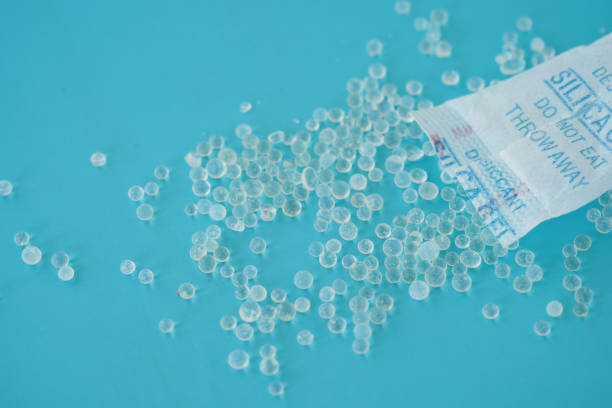
Walking through a shoe store, you probably spot those small “do not eat” packets in every new box. Pop a bottle of vitamins and those same words greet you again, printed boldly in black. So why does every package seem so worried about us snacking on this odd little sack? Years ago, I dropped a pack from my new headphones, and my curious nephew almost tried to taste it before I swiped it away. Before having kids around, I never thought much about these warnings, but that memory made the label stick in my head for good.Silica gel works as a desiccant, pulling in moisture and keeping products safe from humidity damage. Many people wonder whether these things are actually poisonous, or if the companies are just being overly cautious. Turns out, silica gel doesn’t contain toxins the way rat poison or antifreeze does. The ingredient is just silicon dioxide, which you’ve already encountered in sand—though not quite in granule form. Ingesting small amounts often passes through the digestive system with little trouble for adults, but that doesn’t make it snack food, especially when children and pets are involved.There's more to that warning than a legal safety net. Young kids or older adults with swallowing difficulties could block an airway or choke if they accidentally swallow a packet. The beads aren’t meant to dissolve in the mouth, so they present a clear physical hazard. These little pouches often land in products that attract children—new shoes, snacks, vitamins—so the risk goes up, especially as the packets sometimes look a bit like sugar or candy in clear plastic.Silica gel packets don’t always stick to pure silica gel. Coloring agents or chemical moisture indicators sometimes get added. Those blue or orange color bits inside can contain cobalt chloride or other substances that are more than just a choking risk. Some countries and regulations have moved away from certain types of indicator beads, but imported products and older stock may still use them. You never really know what’s in a packet just by looking. Even for adults, especially those with underlying health issues or allergies, swallowing unknown materials can trigger unexpected reactions. So much about product safety comes down to everyday behavior. The best habit I ever picked up, after almost having that scare with my nephew, is tossing silica gel packets straight into the trash once I open a product. Out of sight, out of reach—especially important in homes with little kids or pets. Anytime a friend or family member gets something new delivered, I remind them to do the same. Most accidental ingestions happen by mistake, because someone overlooks the packet left in a purse, pocket, or food container.It’s tempting to ignore the warning after hearing that silica gel isn’t as deadly as some people fear. But in medicine, prevention often comes back to removing risks before anyone gets hurt. Emergency rooms report a steady trickle of cases involving young children eating these packs, especially after holidays or birthdays. Doctors don’t want to see more ER trips over a packet that companies could print a warning on for a penny. That’s the real story of “do not eat”—it’s about reducing those rare but scary scenarios that happen every year.Most folks don’t panic over silica gel, but that doesn’t mean ignoring it works. As someone who tries not to fuss over small things, scooping up any stray packets still ranks as a basic, caring step for my household. Tossing them out, warning visitors, even keeping a sharp eye when unpacking new products—all these habits stack up and make real differences. When you grow up with stories of childhood accidents, you start seeing these labels as small but smart reminders of the stuff that matters most.The “do not eat” label sticks around for a good reason. Choking hazards, chemical risk, and plain old confusion—each plays its part in keeping the warning necessary. Some people keep silica gel for drying out cell phones or camera gear, but that doesn’t overrule the message. The food industry, toy makers, and shipping companies rely on this straightforward warning to keep liability down and accidents rare, even if the actual health danger isn’t sky high for every single case. Instead of rolling your eyes, a quick disposal helps you skip the emergency room and keeps kids, pets, and guests safe. We may not fear silica gel packets, but treating them with the same care as any potential household hazard just keeps life simpler and safer for everyone at home.
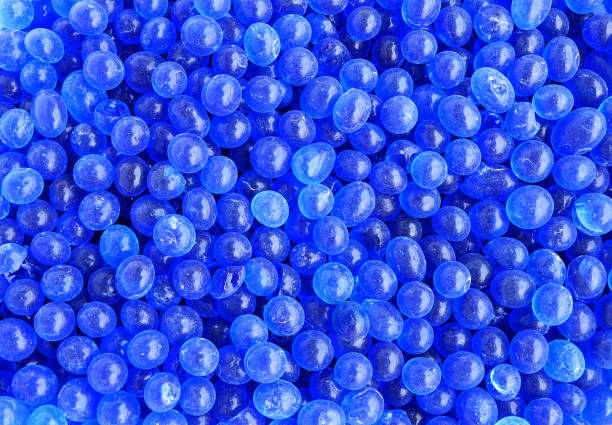
Almost every new pair of shoes or packet of beef jerky comes with one of those tiny packets stamped “Do Not Eat.” Parents often spot them and toss them straight into the trash, but children—especially babies—see a mystery pouch that rattles pleasantly. Curiosity runs strong in kids, which is both wonderful and risky. I’ve seen this happen in my family. One moment a package sits unopened on the table, the next a toddler’s clutching those little beads. Without fail, calls go out: “Is she going to be okay?” The manufacturers never include a user-friendly warning, just those blunt instructions on the outside. Panic builds quickly, fueled by stories from parenting forums and anxious grandparents who remember old urban legends. As a parent, believing you have to rush your child to the emergency room because of a tiny, seemingly harmless packet brings an overwhelming sense of helplessness.Fear’s rarely improved by wild guesses or half-remembered health tips from social media. Silica gel is basically refined sand. The beads exist to keep products dry, sucking up moisture so your new electronics or purse don’t get moldy mid-shipment. Silica gel isn’t poisonous—at least in ordinary packets without added chemicals—so if a kid or even an adult puts a few beads in their mouth or accidentally swallows a small number, most often nothing dramatic follows. Choking, of course, matters much more, especially for babies and toddlers. Those little beads or even the packet itself can block a child’s airway. I remember a case at our daycare, where a teacher fished a silica gel pouch out of a toddler’s mouth well before anyone had a chance to panic. Parents spent half an hour paging through search results, only to finally relax once they figured out genuine poisoning risk sits pretty low. It’s the shape and size of the beads that pose the bigger threat to kids who haven’t outgrown the impulse to try everything they see.There’s a reason companies go bold with their warnings. Some silica gel is treated with chemicals meant to signal moisture exposure—chemicals that can actually irritate the digestive tract if ingested. Even untreated, accidentally chewing a bead’s no friend to delicate teeth or tender gums. Then comes the matter of older people, or anyone who’s frail or impaired. Anyone choking on a foreign object—beads or a bag—faces a genuine medical emergency. People also worry about what happens after swallowing, wondering if everything passes through the digestive tract safely. Silica gel isn’t digested, which means it ends up in the diaper or toilet bowl within a day or two in almost every case, but that uncertainty sends many to the phone, dialing the nearest poison control center for reassurance. It’s a stressful event, not because the material’s chemical properties threaten life but because the whole episode brings home just how easily kids can get into household items we barely notice.Clearing out silica gel packets from reach keeps anxiety much lower in a busy home. After a close call or minor scare, it helps to read up on what to watch for—a persistent cough, drooling, gagging, or any sign of choking, all require urgent attention. If none show up, and the child seems fine, the situation’s often less risky than it feels. Poison control centers across the globe can provide quick, tailored guidance over the phone, and their advice generally helps settle nerves. Pediatricians tell us to keep a steady hand and trust our gut. The main job: Prevent future accidents rather than lose sleep over a harmless slip. Still, one accidental snack by a curious toddler doesn’t make anyone a bad parent. These slips happen to everyone, no matter how many safety gadgets and baby locks fill the house. As stories pile up, it becomes clear that most kids who eat silica gel packets just get a funny story for their baby book—and parents get gray hairs they didn’t expect that day.Real solutions come from that everyday vigilance parents everywhere already know. Tossing those packets right out of boxes before kids can grab them, storing packaging out of sight, and teaching older kids not to put small things in their mouths—these habits matter far more than the sticker shock from a warning label. I’ve gotten into the routine of tearing open boxes over the sink or trash can, dropping anything suspicious straight into the garbage, and reminding my own daughter about what belongs in the kitchen and what’s better left untouched. Daycares, grandparents’ houses, and playgroups should get those same reminders. Busy adults don’t always keep track of details, but a quick glance through a new backpack or lunchbox takes only seconds.Taking an honest look at the fuss around silica gel packets brings a sense of perspective. The true risk sits mostly in that gap between what parents expect and what actually happens. Knowledge calms the nerves more than frantic misinformation, and experience—paired with a clear action plan—helps families steer through parenting’s many curveballs. Next time a child or baby gets hold of one of these packets, parents ideally remember the science behind the material, monitor carefully, and stay calm. Mishaps will never disappear entirely, but a bit of know-how keeps everyone safer and more confident. Silica gel packets don’t spell disaster, but the measures we take to keep kids safe speak louder than any sudden scare.


