
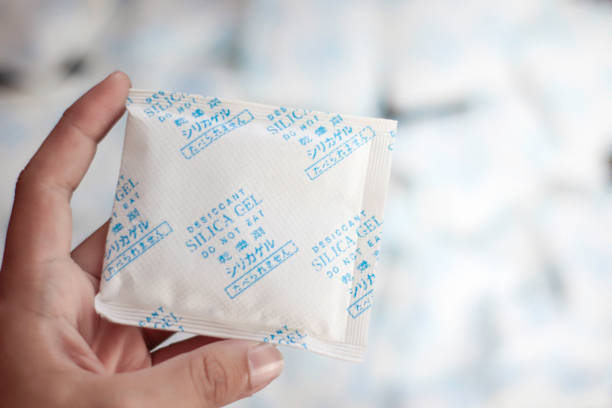
Silica gel packets seem to pop up everywhere—inside new shoes, bags, even snack boxes. Most packets scream “Do Not Eat” in bold print, stoking worries that these little beads might be deadly. So, do you really face danger if a curious kid tears one open and swallows the contents? Let’s pull back the curtain using both scientific grounding and the practical view of any parent who’s tried to wrangle toddlers away from shiny, crinkly objects.Silica gel is made from silicon dioxide. In crystal form, it’s mostly inert, meaning the body doesn’t react much if a small amount goes down the hatch. The main reason manufacturers warn people is straightforward: choking and confusion. Silica gel beads are small, dry, and designed to soak up moisture—not to keep stomachs happy or hydrated. If a young child, or even an adult who’s just not paying close attention, chews on a large handful, choking becomes a real concern. The beads don’t dissolve or break down fast. Some people might get an upset stomach or dry mouth. Death from simple ingestion hardly happens and isn’t something medical literature documents as a direct threat.Despite the label warnings, most silica gel packs don’t contain any ingredients more sinister than table sand. Some packs include color-changing beads to signal moisture absorption. A few years ago, those often contained cobalt chloride, which can be harmful over long periods or in large amounts. Reputable brands have pulled away from this compound, using safer dyes now. Regulatory authorities have pressured the industry to swap out risky ingredients, so the typical silica gel packet lying at the bottom of a cereal box today likely won’t poison you.Mistaking a silica gel packet for a seasoning mix remains possible, especially for kids, folks with vision concerns, or anyone in a rush. The U.S. National Capital Poison Center flags thousands of accidental exposures every year, mainly among children and pets. Emergency rooms see parents roll in worried their toddler will keel over after munching on the strange little pouches, but real medical emergencies rarely follow. The Center for Disease Control and the FDA both classify common silica gel as “nontoxic,” urging rinsing out the mouth and maybe a sip of water—not an ambulance ride. If someone develops persistent cough, trouble breathing, vomiting, or abdominal pain, then medical attention makes sense.Still, this doesn’t excuse manufacturers from responsibility. If pack designs make them look like candy or food packets, that’s sloppy and risky marketing. Some of the more reputable brands started using “Bitterant” coatings or exaggerated warning labels to make the packs unmistakably inedible. Even the trend of clear food packaging, adopted by many companies to boost trust with shoppers, needs to contend with how easy it is for kids or distracted adults to mix up colorless gel packs with sugar packets or desiccants with salt.So, eating a silica gel bead isn’t a recipe for disaster in most scenarios. Lumping all small packs labeled “Do Not Eat” as hazardous creates unearned panic, distracting from truly toxic substances that lurk around households. Think button batteries, cleaning pods, or powerful medications—genuine threats that don’t always look menacing but can cause swift, fatal harm. That’s where education kicks in. Schools, pediatricians, and caregivers ought to treat silica gel as a teaching moment: yes, “do not eat” everything in sight, but let’s separate the slight risk from the major one. Social media, quick to amplify anxiety, sometimes loses this context.Parents and pet owners also play a vital role in prevention. Silica gel may not kill, but curious toddlers and puppies both stand ready to munch on anything within reach. Keeping small objects out of arm’s length just feels like good sense. If a packet does get eaten, the poison control hotline remains the best next step. They track these calls, build better datasets, and give tailored advice. Cleaning up after a spill, checking for leftover gel sachets after unboxing, and spreading the word help prevent unnecessary anxiety or hospital visits.If product makers want to keep customers safe and build trust, ongoing improvements in warnings and packaging work better than cryptic, easily ignored text. Those “Do Not Eat” messages catch the eye, but a shift toward universally understood symbols, bigger fonts, or even physical design changes—making packets impossible to open or swallow—would do more for people’s peace of mind.While the spotlight sits on silica gel, don’t let panic outpace facts. The beads dry out new shoes, not people. Swallowing isn’t smart, but panic calls and rumors about instant death help nobody. Honor curiosity with clear facts, strong labels, and practical prevention—and leave the fearmongering to horror fiction, not real life.
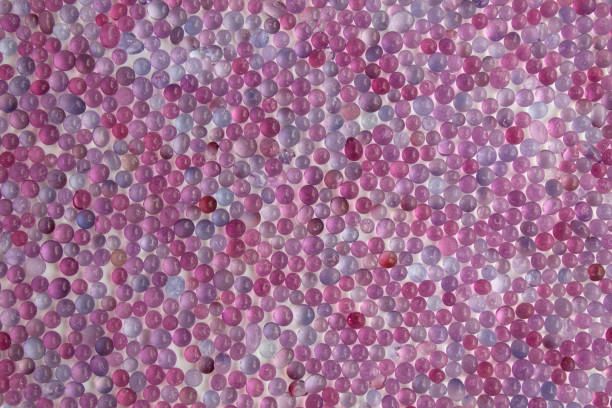
Silica gel packets often show up tucked inside the box with new shoes, purses, electronics, and even vitamins. Most folks don’t think twice about them until they spot that familiar warning: “DO NOT EAT.” These tiny pouches end up sparking a lot more worry than they deserve. From personal experience as a parent—more than once diving into panic after finding an empty packet near a curious toddler—I realized a lot of what we hear about silica gel is blown out of proportion. Anyone who’s stared at a crumpled “do not eat” packet and wondered if a trip to the emergency room is next deserves some real talk.Silica gel is a moisture-absorbing substance that keeps things dry. Companies add it to packaging because moisture can ruin electronics, degrade food and vitamins, and cause mold in leather goods. The warning labels spark panic since, as people, we’re told that a “do not eat” sign signals a poison. That’s not the case. Silica gel—at least the plain, food-safe variety found in consumer packaging—is not poisonous. According to the U.S. National Capital Poison Center and CDC, pure silica gel passes right through the gut without breaking down or releasing harmful chemicals. It isn’t absorbed into the bloodstream or digested. It works a lot like sand in this regard—uncomfortable, maybe, but not toxic.Swallowing silica gel could cause problems, especially for small children or folks with difficulty swallowing. The beads or pellets can get lodged in airways, which brings real danger. Choking, not chemical poisoning, is the biggest threat. There’s another factor beyond basic silica gel: sometimes companies mix the gel with moisture indicators (think blue or pink beads) that might contain cobalt chloride or methyl violet. These chemicals could become a problem in very large quantities, but these packets rarely hold enough to reach toxic levels. For grownups, the danger is far less than the scary labels suggest. For kids or pets, the small size—easy to pop in the mouth and easy to choke on—deserves real attention.If you or someone near you accidentally swallows a silica gel packet, don’t panic. Brush your teeth, sip some water, and pay attention to how you feel. You won’t need medicine or a doctor just because you swallowed plain silica gel. Instead, focus on practical steps. If a child has done it, watch for coughing, wheezing, or difficulty breathing. Call poison control or your medical provider if you see signs of choking or if the child seems in distress. The more likely outcome: a few uncomfortable hours, maybe a weird feeling in the belly, and a strange story to tell. In the rare case that the packet used indicator beads, let a healthcare professional know what was eaten, just to stay safe. I’ve seen parents go through the whole rigamarole only to be told by experts that “they’ll pass it, no problem.”There’s a reason those packets trigger so much alarm: the “do not eat” sign uses scare tactics rooted more in legal caution than actual danger. In a world full of true hazards, most folks don’t need new anxieties about silica gel. The real lesson comes down to three things. One: keep packets away from small children and pets. Two: don’t create panic if a mishap happens. Three: recognize that companies use those warnings to avoid lawsuits, not because of an underlying threat to your health. It’s easy to see how confusion spreads quickly online and in parenting circles. The internet tends to amplify minor risks and turn them into boogeymen. This is one place where the science really does back up common sense.Simple changes make sure you don’t have to face this situation in the first place. Toss silica gel packets into the trash immediately instead of letting them linger in open boxes. When opening new products, check for those packets and remove them before kids or pets get curious. Store shoes, purses, and electronics out of reach so little explorers don’t find unexpected treasures. If a pet eats one, call your vet just like you would for a child. Pets seem to get into things people couldn’t imagine, and a cautious call saves a whole lot of needless panic.Knowledge brings control and calm. The more people understand that silica gel isn’t a secret poison, the less parents and caregivers will spiral into unnecessary worry. Healthcare providers rarely see cases where silica gel creates real trouble—choking is the main concern—and yet the legend of the deadly silica packet lives on. That disconnect suggests a broader need for information that gives people tools, not just warnings. Most accidents at home happen when warnings replace real facts. Safety comes from knowing both the real risks and the practical steps to take.Getting past the fear of strong warning labels means talking honestly about how everyday items work. Silica gel ends up in so many households because it provides a cheap and easy solution to a real storage problem. Tossing out those little packets or keeping them away from danger becomes second nature with a few gentle reminders. Friends and family trust those with a little experience—sharing what you learn makes sure the message gets out. Next time someone posts online in a panic over an empty silica packet, remember that community support and honest, well-sourced information go a lot farther than a pile of myths or panic.Silica gel offers a lesson in perspective. It helps to look beyond the warnings and see through the layers of legal caution. Worry doesn’t protect anyone; knowledge does. If a packet disappears into someone’s mouth, remember that most of the drama comes from misunderstanding, not real harm. Talk to doctors, check factual sources, care for those at risk, and trust that this, too, usually passes without becoming a crisis. Most importantly, learn from the experience: keep the home safe, talk to others about the real story, and let science guide your choices, not the fear found in capital letters stamped on a foil packet.
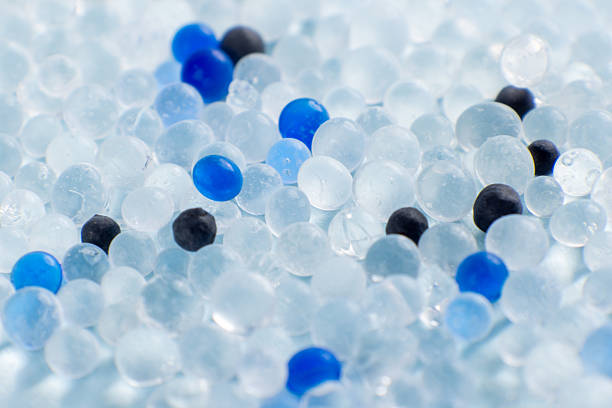
Most people have spotted those small packets labeled “Do Not Eat” that rattle around in shoe boxes, vitamin bottles, and packages sent from online shopping hauls. They usually end up in the trash, but there’s always that one odd curiosity—what if somebody decided to take a sniff or go further and try to smoke silica gel? It seems like a strange idea, but social media challenges and simple human curiosity have pushed people to do more bizarre things. Being clear about the risks matters, since there’s so much misinformation that floats around.Silica gel is really just a form of silicon dioxide, much like sand, processed into tiny porous beads. Its role is absorbing moisture, so stuff inside boxes travels dry. Because it’s chemically inert, people often assume it couldn’t possibly do harm. That mindset plays into the idea that eating or breathing this stuff is no big deal. I’ve heard from folks who remember daring each other as kids to pop open those packets, egged on by nothing but a vague sense they weren’t meant to. Looking at the facts, these beads aren’t toxic the way strong chemicals are, but that doesn’t make them safe for anything besides their job keeping things dry.The mouth isn’t the only thing people have worried about—stories pop up about curious kids inhaling beads or people breathing in the dust. Human lungs aren’t built to handle dry, coarse particles floating in air. Even though silica gel is not a poison in the classic sense, inhaling the beads or the fine dust created from crushed gel can cause real trouble. Lungs clear out everyday dust, but a burst of fine crystalline or amorphous particles risks inflammation and irritation. This is true across all ages, but children, the elderly, and anyone with respiratory issues—like asthma—face more danger. People exposed to fine forms of silica dust at work, especially from cutting stone or concrete, have faced chronic disease like silicosis, though that risk doesn't come from the larger beads in those food packets. Yet, that history in workplace safety shows the body doesn’t welcome silica particles, whether the source is fine workplace dust or impulsively inhaled gel beads.Every so often, people grab onto a strange dare or supposed life hack: someone somewhere must have wondered what happens if you actually smoke silica gel, maybe in a mix with tobacco or something else to impress friends or rack up views online. Combusting silica gel doesn’t turn it into some new chemical weapon, but burning it doesn’t make it any safer to inhale. Heating up the beads would likely just break them into much finer grit and dust, sending all those shreds into the lungs. Unlike wood smoke or tobacco, there’s no history or cultural practice behind this; there’s no guide or wisdom passed down—just experimentation for the sake of it. The lungs already deal with enough from air pollution, allergies, and infections. Forcing sharp, dry particles into that system means risking coughing, shortness of breath, and possibly even a trip to the emergency room.There aren’t many hospital records devoted to silica gel inhalation, probably because most people never try it, and the majority toss the packets as intended. The medical world does, however, pay close attention any time particles make their way into airways. If a bead goes down the wrong tube, it can block smaller airways, and doctors must sometimes retrieve foreign objects using scopes or suction—rare, but not out of the question, especially in toddlers or those unable to clearly explain what happened. For grown adults with healthy lungs, one incident might just mean a nasty cough and irritation, but the risk can’t be brushed aside. The cumulative effect of repeatedly inhaling particles, whether intentionally by smoking or accidentally breathing in the dust while fiddling with an open packet, stacks up over time and increases odds of scarring or chronic lung problems.Seeing “Do Not Eat” on packets gives a basic warning, but those words almost never mention inhalation or sniffing. It turns out manufacturers focus on the risks most likely to happen, which is swallowing the beads by accident. In rare cases, additives like cobalt chloride add color to some packets as a moisture indicator. Cobalt chloride can cause its own set of problems if inhaled or swallowed, triggering nausea or more severe toxicity, though almost all food-grade silica gel avoids these additives. That said, the warning labels don’t always spell out why something is risky or that sniffing and inhaling are a terrible idea. Relying on vague warnings or incomplete precaution can let curiosity lead people into unnecessary harm.Tossing silica gel packets into the trash is easy, though sometimes these packets slip into places where little kids or pets can get at them. Making a point to discard them out of reach, as soon as a new box is opened, helps. People working in warehouses or stores unpacking bulk shipments see these by the handful and can become numb to their presence; education during staff training about every risk, not just eating, needs to be a regular part of the job. For parents, a quick chat with kids about not handling these little packets reduces accidental chokes or misguided playtime experiments. Social media has a habit of turning the oddest risks into quick trends, so parents and teachers might want to check in when kids start asking about weird dares or viral challenges. Public health organizations can also play a role: a single targeted campaign about the unexpected risks of misusing silica gel might keep enough people informed to stop a trend in its tracks.Worrying about the risks around common household items can feel a little over the top, but the number of calls to poison control centers and scattered stories of ER visits show every object carries some risk when handled outside its purpose. Silica gel packets don’t belong in mouths, lungs, or anywhere inside the body. They’re just helpers in the background, quietly soaking up humidity. Curiosity is a powerful thing, but real information beats a dare or myth every single time. The science tells us lungs react badly to foreign bits, especially sharp or gritty ones, and even one bad incident teaches a tough lesson. Every package unpacked at home or in a store is another opportunity to sidestep an easily avoided problem by just dropping those beads into the bin and moving on with life.
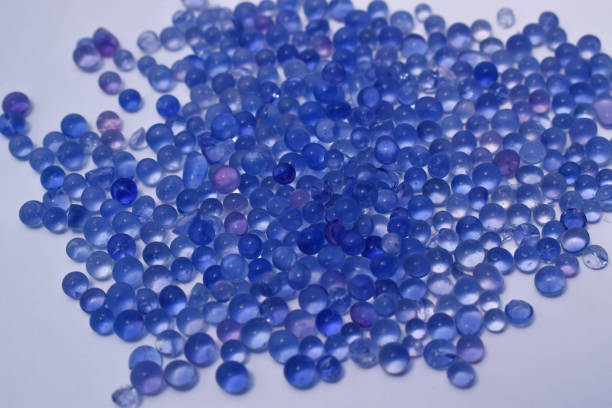
Silica gel packets never fail to appear tucked inside shoe boxes, vitamin bottles, leather bags, or electronics packaging. Many people glimpse those “Do Not Eat” warnings and feel caught between curiosity and concern. I still remember pulling out a small packet with a handful of new sneakers as a teenager, asking my parents if it was poisonous just to touch. Those white beads seem mysterious because nobody expects to find little pouches marked with warnings right next to daily goods, yet in reality, packagers use silica gel for a straightforward purpose: it soaks up moisture and keeps everything else dry. This little pouch protects products from humidity, mold, and damage during shipping and storage, and it does its job quietly—unless you have a toddler or a curious pet at home, at which point it grabs extra attention.Any time a package has big, bold warnings, people take a step back and look for hidden dangers. “Do Not Eat” sits there in all caps, sending parents and caretakers straight to Google, hunting for poison control sites. Actual poison risks have always demanded more care, but in the case of silica gel, the label tells half the story. Silica gel itself is made from silicon dioxide, a mineral found in sand. Touching it isn’t hazardous for most people. I’ve handled the tiny beads many times over the years—at work, moving boxes, even rearranging electronics during a hot spell—and never had a rash or reaction. If you sift through advice from scientists, as well as medical articles, silica gel poses little risk to healthy skin. Unless the beads contain added chemicals (sometimes manufacturers put in colored markers that include toxic compounds, but those are not part of plain silica gel), the beads don’t leach anything into your skin simply from contact.Folks with allergies, eczema, or other skin sensitivities should still take a bit more care. Even though silica gel is chemically inert, the beads are small, sharp, and gritty. If the skin is broken, extremely dry, or already irritated, those beads could create more discomfort—like sand in a cut. Stories float around of silica gel creating a gritty mess if spilled on the floor or mashed into fabric by an energetic pet, but these are more about inconvenience than health hazard. Eyes remain the real concern. Anyone who accidentally rubs eyes after handling silica gel may experience irritation, since those beads can scratch or dry out sensitive tissue. It’s a good habit to wash hands after exposure, especially for people working in warehouses and shops, or those with children who tend to put everything into their mouths. The true risk comes with swallowing, inhaling, or getting those beads stuck deep under the skin, not just touching.What pushes people to panic, even if silica gel carries few skin risks for the average adult, comes down to how warnings mix with stories about chemical accidents or child safety. I’ve seen neighbors scoop up every packet and trash them instantly after their little ones started crawling. Because young kids and pets love to experiment, swallowing remains the main danger. Kids can choke on the tiny packets, and the beads can be a physical hazard if inhaled or aspirated. Some varieties change color to signal moisture change—blue, orange, or green—and these can have cobalt or other additives. Those additives raise the stakes, making contact and especially ingestion much more concerning. For most over-the-counter products in North America and Europe, pure silica gel is what’s inside, but not every packet worldwide is the same. Telling people to simply “not worry about touching” would ignore those differences.Even today, in community workshops or school science classes, I see teachers using silica gel to explain concepts like moisture absorption. They always stress safe handling, using gloves for young students and never opening the packets unnecessarily. Parents keep an eye out for stray packets, especially if a crawling baby or a curious pet shares the home. Companies can help, too, by steering away from using color-changing silica gel with risky additives and increasing public education on the real dangers—primarily swallowing. More clear, direct labeling in multiple languages could lower stress levels for families who may not read the warning at all, especially those who recently arrived in a new country. Medical organizations post detailed guidance online, and retailers put instructions right on packaging inserts.Most adults will never get in trouble just from touching silica gel. The beads don’t dissolve or produce toxic fumes. If you do open a packet and the beads spill, they sweep up easily and you can toss them into household trash in most places. Washing hands afterward sweeps away any lingering dust or grit, and using gloves is smart for anyone handling large quantities daily, such as shipping department staff or recyclers. If you have allergies or open wounds on your hands, keeping silica gel away from those spots can save you from unnecessary irritation. For kids, pets, or anyone with intellectual disabilities, extra supervision adds that layer of protection. Choking remains a bigger threat than any chemical reaction, so tossing out packets right away or taping them into a box prevents temptation. Doctors and poison control centers agree: skin contact almost never leads to emergencies, but eye exposure or swallowing should get quick attention. Following advice from consumer safety agencies and listening to your gut instinct around suspicious additives does more than any single warning label ever could.
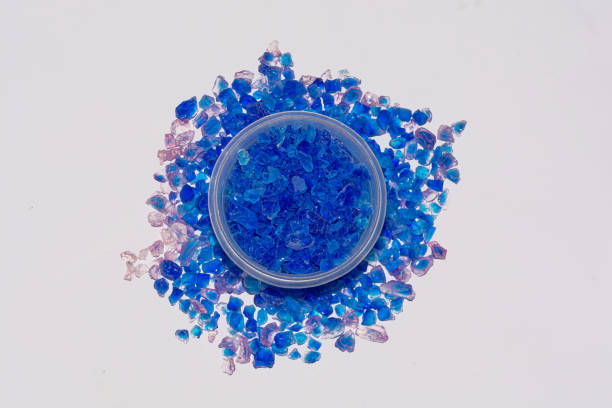
People see those small packets marked “Do Not Eat” tucked away with new shoes, bags, electronics, and almost any sealed product. They’re filled with silica gel—those little beads you sometimes hear rattling around in the bottom of packaging. Every now and then, a story pops up about people asking whether eating or inhaling silica gel can get you high. The curiosity seems to come from the fact that these packets are so strictly labeled and obviously not for consumption. Maybe it’s just the urge to rebel, or maybe there’s genuine confusion based on internet myths and urban legends. Either way, the simple answer from both personal experience and scientific consensus is: silica gel will not get anyone high. And trying to use it that way can land you in real danger for all the wrong reasons.Silica gel is a desiccant, which means it absorbs moisture. That’s pretty much its whole job—keeping products dry. It’s made from silicon dioxide, basically the same substance as sand but manufactured to have lots of tiny pores that trap water. There’s no psychoactive chemical in these beads, nothing that interacts with the brain or body in a way that produces any sort of high. Eating or snorting the beads is going to accomplish one thing: risking an upset stomach, choking, or even a more serious medical emergency. The warning labels don’t mean there’s a hidden secret; the manufacturers just want to make sure people don’t choke or get sick from something that isn’t food.Sometimes people grab onto the idea that because something isn’t meant for eating or has a warning, it must hide some kind of recreational use. Silica gel packets aren’t drugs and never have been. The warnings on them are about safety, not secrecy. Social media can turn even the silliest rumor into a viral myth. In school growing up, someone always knew a “friend of a friend” who supposedly got high off some weird household product. These stories kept going without anyone actually stopping to check the real science behind them. Experts from the Food and Drug Administration and toxicologists have answered this question for years—silica gel is inert and has no recreational effect.Some people might laugh at the question or call it a prank, but it’s actually a reminder of how quickly misinformation can lead to risky decisions. Kids see “Do Not Eat” and wonder if it’s a dare. The urge to experiment puts people in harm’s way, not for any benefit but out of boredom or curiosity. Not long ago, stories about teenagers swallowing detergent pods led to poisonings and hospital visits. The silica gel fad could go the same way if left unchecked, even if it sounds less dramatic. Poison control centers have plenty of experience dealing with panicked calls after accidental ingestion. Most of the time, a person will just feel sick, but serious blockages can happen, especially in younger children or pets. The American Association of Poison Control Centers repeats the same advice every year: keep these packets away from children and pets, and remember that “not for consumption” really means it.There’s nothing in silica gel to get anyone high—no chemical, additive, or natural reaction. The only thing you’ll find inside is dry, water-absorbing beads. Silicon dioxide doesn’t break down in the body or act on brain receptors. For anyone chasing a buzz, it’s not just a disappointing choice but a dangerous one. If you or someone in your family swallows a silica gel packet, the immediate risk is choking or digestive problems. Medical professionals may need to remove a blockage or address dehydration caused by the beads absorbing water in the digestive system. Animal poison control hotlines hear about household pets getting into these packets all the time, so it’s a broader problem than just human curiosity.The internet throws up wild claims on every topic from miracle supplements to strange ways of catching a high. Sometimes, simple education can make the biggest difference. Instead of assuming people know better, it helps to talk directly about what’s in these products and why the warnings exist. Schools, parents, and even brands themselves are in a good spot to set the record straight. While it seems obvious to some of us that silica gel can’t produce a high, nobody wants to see a child or pet go to the emergency room because a gap in knowledge opened the door for a mistake. Fighting rumors takes time, clear information, and honest conversations about risks that don’t rely on scare tactics but stick with the facts.Fact-checking grows more important each year as misinformation spreads faster online. Something as simple as a small packet marked with a warning doesn’t need to become a target for wild speculation or dares. Teaching others about how these things actually work beats relying on rumors or “I heard somewhere…” stories. Instead of seeing a packet marked “Do Not Eat” as a challenge, treating it as a basic safety instruction saves trouble for everyone. It pays off to keep curiosity in check and focus on safer, smarter choices. No one’s missing out on anything but risk—and real experiences worth having don’t come from chewing on mystery packets.

The tiny packets labeled “Do Not Eat” tucked in new shoe boxes, vitamin bottles, purse linings, snack bags, and medicine jars always grab attention, especially for pet owners. Anyone who lives with a dog that rifles through everything or a cat who investigates the weirdest corners of a closet knows that anything that falls to the floor—no matter how boring it looks—ends up chewed, licked, or swallowed, if they’re quick about it. Silica gel packets are a prime example. There’s a reason the warnings appear in bold print, but sometimes the reaction on pet forums and social media outweighs the real risk. On the internet, you’ll come across everything from dire warnings about poisoning to stories of pets eating these packets with barely a hiccup. So, what actually happens if a dog or cat eats silica gel? Should everyone rush to the vet? The facts suggest something less dramatic than many believe. Silica gel isn’t food, medicine, or a household cleaner—just processed silicon dioxide, the same stuff in sand, formatted into hard beads. These packets soak up moisture, not just from shoes but from electronics and snacks that get stale fast. Dogs, especially the high-energy types who can snatch something off the coffee table in a split second, are usually the culprits for oral ingestion. In my experience with my own retriever mix, “leave it” doesn’t always carry weight if the item seems new and interesting. Packets aren’t toxic in the way people imagine. Swallowing one won’t cause chemical burns or organ damage like antifreeze or rodent bait. The silica inside is inert; it passes through the digestive system, sometimes with little effect. For cats, the risk is even lower—most cats prefer batting the packet around rather than swallowing it whole. The actual hazard for both dogs and cats usually comes from the packet itself. Every veterinarian I’ve spoken with points out that small breed dogs and kittens are at greater risk of the packet getting lodged in the throat, stomach, or intestines. Choking is a true emergency, and gastrointestinal blockages can bring vomiting, pain, and a lack of appetite. For larger dogs, ingestion of a single packet often goes unnoticed, save for a slight disruption in their next bathroom trip. In the rare case the packet sticks around, a vet might need X-rays. Cats, known for their more discerning tastes, rarely swallow these, but if they do, it’s not usually the silica that’s a concern—just the foreign object causing trouble inside. Not all silica gels look alike. Some single-use packets come with beads in wild colors—blue, orange, pink—thanks to moisture-indicating dyes that help with industrial applications. These dyes sometimes contain cobalt chloride, which doesn’t belong in any digestive tract, human or animal. Cases of poisoning from the dyes are rumored but haven’t sparked widespread recalls. Still, I’ve seen vets advise caution, and if a brightly colored packet gets ingested, it’s worth calling the clinic to check on the specifics. Clear or white silica gel remains the common type in retail packaging and rarely causes even a mild problem unless an animal is especially small or the packet is unusually big.Experience says take a breath before dialing emergency. Most dogs and cats recover from munching a silica gel packet with no more than a mild upset stomach, if that. Watch for vomiting, trouble breathing, or straining—signs something’s stuck rather than anything poisonous. I’ve pulled more than one packet out of my dog’s mouth, sometimes half-chewed and soggy, and phoned the vet out of routine. The usual response is to keep an eye on the dog for the next day and provide plain food. For cats, similar advice carries—the risk is lower due to their fussiness. If a pet seems off, or if a larger packet disappears, the vet’s number comes in handy.The best route doesn’t involve fear, but prevention. Vacuum new shoes and handbags before the pets get a chance to pounce. Household routines like throwing out silica gel packets right away or keeping packaging on high shelves can keep curious animals safe. Some folks tape packets to interior drawers or craft supply bins instead of tossing them, which works unless your pets know how to open things they shouldn’t.Veterinary poison control centers field thousands of calls about foreign object ingestion every year. According to reports, silica gel rarely appears on lists of household toxins. The American Society for the Prevention of Cruelty to Animals’ Animal Poison Control Center classifies plain silica gel as a low-risk ingestion. Serious issues almost always link back to the packet itself causing a blockage or a pet eating massive amounts—a rare occurrence.Peace of mind comes from knowing the true risk and focusing energy where it counts. Investing in a few sealable trash bins, regularly checking under furniture for dropped packets, and teaching dogs the “drop it” cue can save stressful trips to the vet. Some companies now make pet-safe packaging and silica gel alternatives, but even standard packets hardly threaten most pets. Sharing this knowledge with friends and family who worry about every strange item a dog or cat finds in the house goes a long way toward reducing panic and keeping animals safe.


