
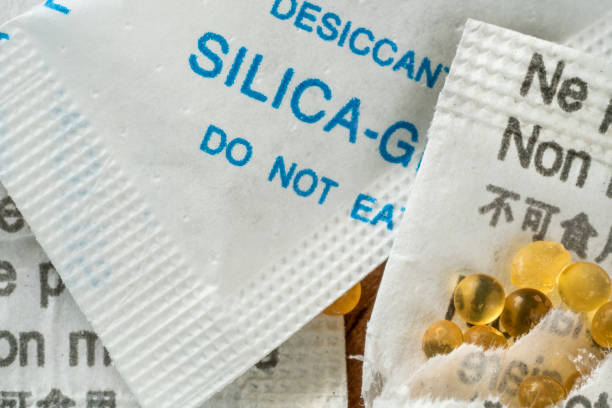
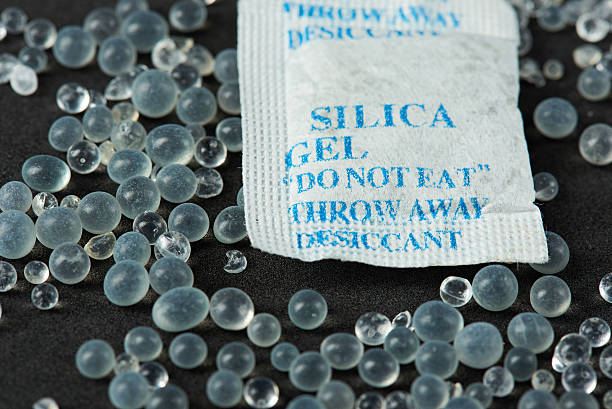
Anyone with a dog or a cat at home knows that pets turn up in places you never expect, noses poking into grocery bags and boxes before you even finish unpacking. Those tiny white packets labeled “DO NOT EAT” pop up everywhere—from new shoes to vitamin bottles. They're full of silica gel, meant to absorb moisture and protect products from mold. Once, I saw my old Labrador chewing on one of these packets after he fished it out of a cardboard box. I panicked, scooped it out, and rushed to the vet. Turns out, my reaction—a combination of fear and guilt—is far from rare. Silica gel looks innocent enough, but seeing a pet with one in their mouth is enough to get any owner reaching for their phone.Silica gel is an odd name for something that feels more like hard little beads than a gel. Made from silicon dioxide, the same stuff in sand, these beads are not toxic in the traditional sense. The main job of these packets is to suck up moisture and keep products dry. That’s why you find them everywhere. For decades, experts have made it clear that, for people, swallowing silica gel won’t do much harm. In pets, most cases pan out the same way. The beads pass right through the digestive system, coming out pretty much unchanged. Owners might notice mild stomach upset, but life-threatening dangers are rare. That’s a huge relief for folks like me who have found their cat batting a packet under the couch or their puppy licking the beads off the kitchen floor.Still, it’s easy to fall into the trap of thinking everything in a package is harmless. Not all silica gel packets are the same. Some brands pack a few of these gel beads with blue or orange coloring agents to show how much moisture they’ve absorbed. Blue silica often contains cobalt chloride, which adds toxicity into the mix. So if your pet chews open one of those, the risk goes up, especially for smaller animals or puppies. A blocked bowel carries higher danger for small or elderly pets, since even little objects can get stuck in narrow digestive tracts. Vets have seen cases where a packet clogs up the intestines, and that’s much harder to treat. In my years with animals—fostering cats, raising dogs, volunteering at shelters—I’ve learned how fast pets swallow things before you even notice. Prevention is always easier than finding yourself explaining the situation in an emergency room. If you discover your pet has eaten a silica gel packet, it helps to keep calm. Try checking whether they chewed the packet open or just swallowed it whole. Pets that only nibbled on the outside probably won’t develop symptoms. If your pet starts gagging, has trouble breathing, or begins vomiting, there’s more reason to worry. Vets always recommend calling them for advice because every animal reacts differently. For some, a little stomach trouble is as far as it gets. Others start acting lethargic or stop eating, which means the packet could be trapped somewhere inside. In these cases, early intervention saves lives. Owners who wait too long hoping things will pass put their pets at risk for serious complications, like blockages or poisoning from colored beads. I remember a friend’s kitten who needed surgery because a gel packet had blocked her gut; catching it early changed everything for that little cat.Most pet mishaps around the house begin with curiosity and end with frantic web searches. The easiest fix is tossing silica gel packets straight into a sealed bin as soon as you open a new package. If kids are in the house, make a point of teaching them not to give anything from packaging to animals, no matter how harmless it looks. My habit now is to check inside shoeboxes and snack boxes, silently cursing about just how many of these packets appear in daily life. As someone who’s fielded late-night calls from anxious friends, I can’t overstate how useful basic prevention becomes. Safe pet spaces keep dangerous items out of reach. Regular vacuuming helps catch stray packets and beads, reducing the chance that pets fish them out of the corners. Some of the responsibility sits with packaging companies and product designers. Transparent labeling, bright colors for the outer packet, and warnings with pictures help draw attention in every language and for all reading levels. As more people raise pets indoors, companies can take small steps to ensure these packets are harder to open or too big for animals to swallow. Creative solutions already exist—like securing silica gel in harder cases, or using pet-safe desiccants in industries with lots of animal-owning customers. If more companies adopt these options, they protect the most vulnerable group in a household: the pets who can't read warnings but who always want to investigate new things.Caring for animals has taught me that life with pets means double-checking everything. Silica gel packets may not be the worst hazard lurking at home, yet the stories I’ve heard at the dog park prove how disruptive an emergency can become. Families with puppies, rescue cats, or dogs with a nose for everything should treat these packets with the same caution as cleaning agents and sharp objects. While most cases never become serious, treating every small risk with respect is part of responsible pet ownership. The routine acts—throwing packets away, checking the floor, calling the vet at the first sign of trouble—add up to an easier, healthier life for the animals we love.
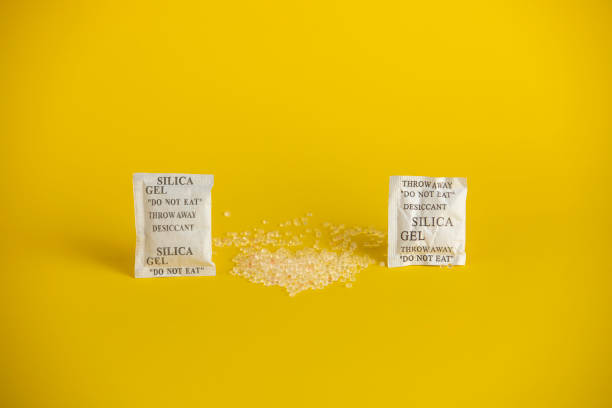
Finding out a dog or cat chewed through a packet labeled “Do Not Eat” throws any pet owner into a brief panic. That tiny pouch pops up in shoeboxes, purses, even snack packages without a second thought. Many folks see the words and jump straight to the worst-case scenario. I’ve had that cold spike of worry run through me too. The first thing that helped me settle down was actually reading up on what those little beads really are. Silica gel isn’t poison. It acts as a desiccant, pulling moisture out of the air to keep products dry. Online, plenty of reputable sources from veterinary health experts to product manufacturers point out that, in most cases, eating silica gel leads to mild stomach upset at worst. The main issue crops up not from what’s in it, but from the risk of choking or a blockage, especially for small pets and curious puppies who love to chew first and think later.Reading those stark warning labels set off alarm bells. Most companies add those because they’re covering every legal base, not because swallowing the beads spells disaster. What strikes me here is how little guidance those labels give an anxious owner in the middle of the night. No direction, just a warning and a sense of dread. This highlights a broader gap in consumer education: so many warnings rely on fear instead of providing a clear next step. I still remember scrolling through pet forums and medical sites for straight answers after my neighbor’s labrador gobbled up a handful one afternoon. The consensus: worry less about toxicity, and look out for gagging, vomiting, or a blocked gut. If your furry companion seems fine, watch for a day or two, but the quick move is to call your vet and explain what happened. Clear, specific advice beats broad legal phrases every time.A closer look at reports from veterinary emergency clinics makes the risks a bit clearer. Dogs get into trouble often when a toy or treat wrapper hides a silica gel pack. Cats, far more selective, rarely eat them—but kittens push curiosity to the limit. The hard beads can create a roadblock inside the intestine, so smaller dogs or cats need extra attention. Stomach pain, repeated attempts to vomit with nothing coming up, loss of hunger, or trouble pooping—all signal a trip to the vet’s office instead of a wait-and-see strategy. When the packaging is made of stiff plastic, there’s also a risk of cutting or scraping on the way down, another detail many overlook in the scramble to find answers. Actual cases of life-threatening poisoning from eating a regular silica gel packet barely exist, according to several large veterinary case studies, but bowel obstruction remains a real and urgent problem in unlucky situations.Like most people I know, I keep my shoes and bags in a closet at home, far from my dog’s reach—or so I thought. Dogs, it turns out, will find their way to anything with a hint of glue or a crinkly wrapper. My approach changed after the scare: I now sweep closets and new item boxes every time, like a low-budget detective, and toss out every little sachet before anything hits the floor. Prevention makes for a less anxious life. The other side is about community knowledge. Friends and family often share these “pet ate something weird” moments quietly, as if it’s a mark against their judgment. I feel that shame too, but if more people spoke about the actual steps taken and the happy outcomes, maybe fewer pets would face emergencies to begin with. Honest conversations beat silent stress every time.The reality: pets eat what they shouldn’t, more often than anyone admits. The best defense comes down to two things—smart storage and building a good relationship with your veterinarian. Keeping packets out of reach costs nothing and saves on emergency bills. A clear call to your vet matters most if the animal in question is small or starts showing symptoms of distress. It helps to write down when and how much silica gel disappeared, as details often blur in the rush. I found comfort knowing my clinic handles dozens of these cases a year, usually ending in a sigh of relief instead of a tragic outcome. For pet lovers who want a little extra peace of mind, some consider swapping out new products before a pet even walks in the door. That habit, small as it seems, quickly becomes second nature after close calls.So much of this comes down to access to information. Companies could add a clear set of “What to do if accidentally consumed” lines under the warning on every silica gel pack, pointing owners toward prompt action without spiraling into panic. Vets responding to frantic calls can use simple charts and FAQs ready to share in emails and websites. Larger retailers could push for packet designs less tempting to pets and more likely to break up if swallowed. At home, talking about these mishaps during routine checkups builds trust and eases anxiety. Each small step helps close the gap between legal warnings and real-world solutions. Until those changes happen, the best line of defense stays the same: stay informed, act fast, and never hesitate to reach for help from the professionals who handle problems like this every single week.
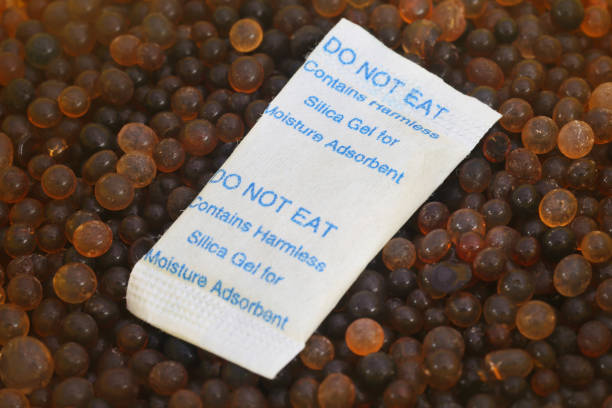
Many pet owners wander the cat litter aisle, faced with bags of blue-speckled beads that call themselves a revolution in odor control. Silica gel litter, also called crystal litter, comes packed with some big promises. For years, I stuck by the old-school clumping clay, wary of fresh gimmicks. Eventually, curiosity got the better of me, and I went for the neatly packaged, lightweight crystals—partly because lugging forty-pound bags of clay gets old. Within a few hours in my apartment, I started to realize silica gel litter isn’t quite as simple as the ads make it out to be. Safety, dust, and asthma triggers play a bigger role here than most realize.Silica gel litter is mostly made from sodium silicate, transformed into tiny beads or crystals. This form of silicon dioxide belongs to the same family as quartz, but unlike dusty sand, these beads get treated and processed into what the label calls “safe, non-toxic” crystals. Marketing likes to push the “safe” angle hard, but it ignores reality in homes where people and pets breathe the air around the box each day. Any litter, silica included, can toss some dust into the air. In my apartment, pouring out a fresh bag of crystals filled the sunbeams with a shimmer, sort of like splintered glass. That dust isn’t just harmless decoration. Tiny silica dust particles can get breathed in by cats and people alike. Science has linked regular inhalation of crystalline silica dust to respiratory trouble in humans, so I pay attention to that shimmer in the air. Industrial silica dust sits at the root of some nasty lung diseases when people get exposed in large quantities, though those show up in jobs with far more silica than a litter box. At home, it’s about repeated, low-level exposure. Sensitive lungs, kids, or anyone with chronic asthma absolutely notice the difference. Most cats wander away from a cloud of dust, but a curious kitten or a litter-box-digging adult can still inhale it before it settles.Crystal litter gets praise for absorbing moisture instantly, locking odors away in a tidy package. In my experience, silica beads do a good job pulling pee out of the air, but they’re nothing like the dense chunks clay forms. The selling point for silica gel has nothing to do with traditional clumping—the crystals don’t group together like bentonite clay. Wet patches darken and sometimes form soft, slushy masses that sit on top. I found myself needing to dig through the box to find soupy spots instead of scooping neat solid clumps. Urine stays trapped in damp beads on the bottom, which quickly get gross as days go by. For some, that’s fine because odors don’t hit as hard. For others—myself included—the chore of stirring crystals to keep things fresh makes it feel less sanitary. Feces dries out and gets scooped, but the urine just lingers. Over time, the box started to smell old and acrid, needing a full dump and scrub more often than with dense, tight clay clumps.Pet owners worry about toxicity, especially with products covered in chemical-sounding labels. Silica gel, despite the scary name, isn’t classified as toxic in its own right. Food-grade and pharmaceutical-grade silicon dioxide show up in lots of consumer products, from over-the-counter pills to toothpaste. The danger ramps up with crystalline forms and huge doses of inhaled dust, rarely encountered with regular litter-box changes. Accidental eating of a few grains by a curious cat won’t poison them, though eating large amounts could cause digestive upset or blockage, just as with any indigestible material. The packets that come with new shoes (“Do Not Eat”) are similar in composition, meant to keep moisture at bay, not pose toxic threats. As for chemical perfumes or blue colorings, those are the real wild cards—some litters contain deodorizing agents or dyes that could cause stomach upset if eaten in quantity. I learned to read the label closely and avoid extra scents or artificial hues, since cats with allergies or sensitive skin react to additives just like people do.Cat litter dust doesn’t respect boundaries, and for anyone with a chronic cough, asthma, or allergies, airborne particles kick up trouble fast. I live with mild asthma, so I notice even the smallest shift in air quality. After switching to silica gel, I spotted more coughing—not just me, but my own cat too. Sneezing and soft snorting noises at the box grew more common. Some brands market “dust-free” formulas, but from personal experience, I have yet to find a crystal litter that pours completely clear. No matter how slow or careful I am, the box puffs up a sparkle every time I fill or tidy it. People with serious respiratory conditions or cats with feline asthma get the short end of the stick in these situations. The American Lung Association calls out crystalline silica as a known hazard, though the quantity matters. Medical literature hasn’t turned up widespread reports of cat owners getting silicosis from litter, but a handful of case studies do connect asthma flare-ups to dustier formulas. Good ventilation may soften the blow, yet closed spaces concentrate the risk—something anyone living in a city apartment learns fast.As a pet owner and allergy sufferer, I wind up playing a balancing act between what’s easy, affordable, and safest. If you or your cat struggle with dust or asthma, crystal litter rarely makes life easier. No litter is perfect, but a low-dust, unscented clumping clay offers more predictability for respiratory health. Plant-based litters made of wheat, corn, or recycled paper create less airborne matter, though they come with their own quirks and tracking problems. Cat owners can upgrade to covered or self-cleaning boxes armed with HEPA filters to trap what escapes. Choosing litter with as few additives as possible lets allergic households minimize unknown reactions. Regular, thorough cleaning—no shortcuts—keeps odor and dust in check. Pouring new litter slowly, ideally outdoors or in a well-ventilated room, helps cut down the initial plume. It might not be glamorous or easy, but nothing beats a simple sweep and mop after a litter change, both for feline comfort and your own peace of mind.Walking down the litter aisle, it’s tempting to believe the marketing hype around silica gel. For some homes, it locks smells away with less fuss, but for others, extra dust and non-clumping waste bring more headaches. Health always outweighs convenience, especially with sensitive lungs in the mix. It took trial and error in my own home to see past the sparkly ads, but the lesson sticks—knowing what’s in your litter, and how it affects you and your pets, matters more than jumping on the latest trend. A safe cat is worth more than a fresh-scented box.
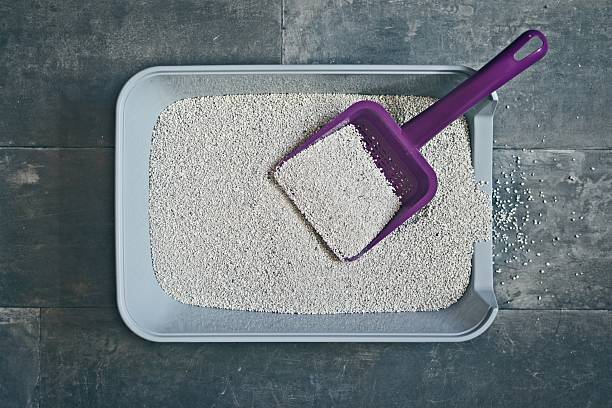
Anyone who’s shared their home with a cat can tell you that the litter box is more than just a convenience; it’s central to the health and comfort of both people and pets. You head to the store and see shelves loaded with so many options, each promising better odor control or less tracking. Folks wonder about what actually makes up these litters, especially with concerns about safety for pets and households. Not every litter puts silica gel front and center. Some blends rely on minerals like bentonite clay, some stick with natural sources such as wood, paper, or corn, and some choose silica gel for its absorbency and odor control. The conversation about litter ingredients isn’t only for the curious — it becomes part of the bigger picture when we start to think about dust, disposal, allergies, or what cats truly prefer.Clay-based litter dominates the traditional market. Often labeled “clumping,” bentonite clay locks up moisture into easy-to-remove clumps. Many households swear by it, saying it balances cost and performance. Nobody in my family talks about silica when scooping. We’ve all dealt with that unmistakable clay dust after fresh-pour day, and plenty of us worry about our cats breathing it in or tracking it across the floor. Some prefer alternatives made from recycled newspaper pellets, hardwood sawdust, or even corn. These variants stand out for being compostable or less dusty, but their performance can vary. So many of these products don’t contain silica gel at all. Just scanning packaging, you’ll find marketing that touts low dust or earth-friendly sourcing. The demand for safer formulas with clear, honest labeling isn’t coming only from cat lovers; it’s showing up in pet health recommendations and even vet offices. The litter aisle isn’t a field of identical products — far from it.Silica gel — sometimes known as crystal litter — pops up as a glossy, pearl-like granule that turns from clear to yellow with use. Its main draw lies in its ability to trap moisture, which keeps odors in check longer than many clay alternatives. Some cat owners appreciate the way silica gel cuts down on both dust and frequency of changing the box. Certain studies point to fewer respiratory irritants in silica-based products compared with clay options, but the research isn’t endless, and every pet responds differently. As a cat parent, you start to notice subtle trade-offs: crystal litters can crunch underfoot, and picky cats often reject the unfamiliar texture right away. Price plays its part too, since silica gel formulas can cost more over time. Still, they don’t show up in every bag at the store — only on those that call out “silica gel” on the front. For a long time, I stuck with clay, thinking it was best, until a cat with allergies pushed me to experiment. Each household weighs things out, depending on budgets, allergies, or even how often the vacuum comes out.Litter safety moves beyond what's in it, sliding into how we handle it, how much dust lingers in the air, and what’s left behind in the environment after every change. Silica gel breaks down differently than clay and certainly isn’t the same thing as sand or crushed shells. Some experts express caution about tiny particles if cats or kids get into them, and few on the environmental side see it as a green option. Plant-based litters — with no silica gel, no artificial chemicals — keep gaining ground for families hoping to avoid landfill impact or that telltale aroma of artificial perfumes. My own trials with pine pellets and paper-based litter felt messier, but I slept better knowing there was less risk if a curious kitten tried to taste the product. The best litter, in practice, is one your cat will use reliably, won't raise health red flags, and won’t choke out your air with dust.If there's a lesson from scanning pet forums and store aisles, it's that transparency makes a real difference. Labels need to spell out silica gel, clay, or plant fibers, so health-conscious shoppers feel empowered to choose. Veterinary advice and shelter practices ought to factor in the individual cat’s needs as much as convenience for humans. More research into long-term effects from both clay and silica products would give families confidence in their choices, instead of guessing about what lingering dust might mean. Waste management matters as well, and encouraging people toward compostable or reduced-impact options can help shrink that silent mountain of waste generated by millions of cats. Listening to both science and lived experience shines a light past the marketing and into what cats — not just their people — truly want and need. I remember seeing a nervous rescue cat, happy for the first time, scratching in soft, chemical-free litter. Safety, comfort, and clean air matter. That’s the kind of home I want both for pets and their families.
Anyone who’s ever received a bouquet knows how quickly those vibrant reds and yellows start to lose their spark. Roses, lilies, orchids, hydrangeas—each bloom carries its own story, whether it’s a wedding, a birthday, or a simple gesture of appreciation. Watching these petals droop and the color fade feels like watching the memory itself slip away. Years ago, I struggled to keep the beauty of gifted flowers alive. Vases, then pressing them between books, then even using hairspray. None of these managed to really hold onto both the color and texture. That was until silica gel came into the picture. This isn’t just a trick for hobbyists—preserving flowers with silica gel can help you hold onto a moment of joy long after the fragrance fades. Drying flowers with silica gel actually means borrowing from science we encounter in everyday products like shoe boxes and snack packs. Silica gel draws out moisture rapidly and evenly, making it possible to keep flowers looking surprisingly lifelike. It works for those delicate orchid petals as well as thick dahlias and the classic rosebuds that always steal the show. Dropping blossoms into a tub of crunchy silica granules doesn’t take much training or fancy gear. Yet, it does take an understanding of how moisture leaves the plant and why some blooms hold up better than others. Petals with dense surfaces—sunflowers, for example—need careful handling, because overpacking can press the face of the flower, leaving an imprint that’s almost as disappointing as crushing a souvenir in your suitcase. Orchids, with their thin, almost suede-like petals, can soak up too much silica dust if buried carelessly, shifting colors in awkward ways.Through a mix of trial and years of reading up on advice from botanical experts, it’s clear that prepping stems and blooms matters as much as the drying process itself. Snipping off extra greenery, making sure stems aren’t sitting in water before they hit the silica gel, and trimming to let more air inside the flower all help mold a better result. Time becomes crucial, too: roses, depending on thickness, might dry out in five to seven days, while something like large hydrangeas often takes upwards of two weeks. Jump the gun and flowers stay soft and damp, inviting mold. Wait too long, and colors start turning muddy, especially on the paler pinks and whites.In the rush to preserve, mistakes are common. I learned quickly that repeatedly opening the container to check on flowers lets moisture back in, slowing the process and sometimes ruining batches. Silica gel itself doesn’t last forever without maintenance—it needs to be dried out after absorbing so much water, usually by heating. Not all silica gels work the same way, either. Indicator beads that turn color show when the media’s ready for another round of blooms, reducing guesswork and waste. Ensuring added ventilation in the workspace helps, too, so you’re not breathing dust or introducing extra humidity. By paying attention to these details, you get results that don’t just look pretty on a shelf, but genuinely last.People preserve flowers for more than craft projects or interior design. Each preserved stem can serve as a piece of personal history—reminders of graduation, celebrations, or simple joys. This practice has roots in family rituals and folk art, going far beyond Pinterest trends. Science backs up the value in this: floral preservation keeps alive not just color and shape, but a person’s connection with memories that mean something. The method suits not only those who take up crafts in retirement or for wedding keepsakes, but anyone who wants their home to feel more like theirs. Teaching the next generation about these traditions also turns preservation into a skill passed down, not lost to convenience or disposability.Walking into a home dotted with dried bouquets on mantels or hung above windows tells guests that stories matter here. People worry that silica gel preservation takes the soul out of natural materials, but practice shows that intention and care are what make these keepsakes worth it. Instead of leaving flowers to wilt in a vase, taking a few extra steps turns a fleeting gesture into something that lingers, tangible and vivid. Better directions and greater transparency, from garden clubs and online communities, make this method accessible to more people, regardless of age or skill.For those new to the practice, it helps to start with forgiving flowers—the sturdy sunflowers with their thick centers, the hydrangeas with many petals, or the tightly packed roses. Silica gel pries open creative possibilities for bouquets that mark special moments. Beyond just seeing a pretty bouquet, handling the final results—delicate but tough, colorful yet preserved—instills respect for both the science and sentiment packed into each bloom. This isn’t about resisting time, but about honoring meaning in a way that endures.
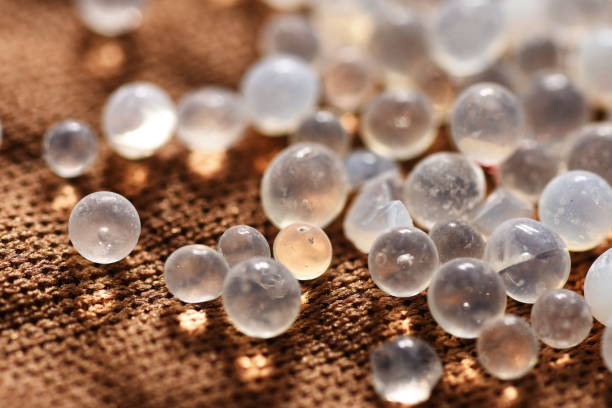
Holding onto a fresh bouquet often feels a bit like trying to keep a summer day from slipping through our fingers. Maybe it’s roses from a wedding, or wildflowers plucked on a hike. The idea of keeping that beauty for months or years has always drawn gardeners, crafters, and folks who just love nature. Over the years, I’ve dried everything from garden zinnias to grocery store sunflowers, battling humidity, weather, and impatience. Each method brought a lesson in what actually preserves a flower’s look versus what leaves a brown, shriveled mess. Among the many tricks shared around kitchen tables and garden groups, drying flowers with stems in silica gel stands as a trusted path to real, vivid preservation. Tossing the microwave into the process adds some risk—and a lot of curiosity—about how far you can push fast results against lasting beauty.Flower drying goes back centuries—think old herbariums, sentimental keepsakes, even pressed flowers in family Bibles. Most methods, from hanging to pressing, dry petals slowly with air. Silica gel works like a sponge, pulling moisture out fast by surrounding each petal with tiny beads. The lure is pretty simple: silica gel can keep a flower’s color brighter, forms closer to their original shape, and texture less brittle than air or wire-hanging. For anyone who’s ever glanced at their “dried” hydrangea bouquet and found brown, crinkled petals instead of blue, this matters a lot. With the stem on, blossoms stand more naturally, which helps with display or arranging later. Basic household silica gel beads—the same stuff that shows up in shoe boxes—handle moisture fast without molding or attracting bugs, and best of all, they're reusable. This method lets you lay a flower, stem and all, in a jar or container, nestling it gently so every part finds support. Roses and peonies, tricky to dry upright with just air, keep their profiles and vividness, from stem to tip, if given the right support underneath and patience at the end.Shortcuts in drying always tempt, especially if there’s an event coming up, or an impatient gardener waiting to see how the project turns out. Microwaving with silica gel gives that promise of saving days or even weeks on the timeline. After getting advice from fellow gardeners and trialing plenty myself, the process goes something like this: put the flower with stem buried in silica gel inside a microwave-safe container (never put the lid on), and zap it in short bursts, pausing to check. Too long, and the blooms burn. Too short, and they're limp or never set properly. Most folks who get it right suggest starting with low heat—usually around two to three minutes, then letting the whole container cool inside the microwave, giving the remnants of heat time to coax moisture out without shock. Sometimes you get the best of both worlds: full color, petals as soft as paper, little change in shape. Other times blooms crumble or scorch around the base, especially if moisture pockets near the stem explode under heat. Thicker stems or dense flowers like dahlias give mixed results compared to smaller, lighter blossoms like daisies.The truth comes from hands-on tries. Silica gel works just fine for drying blooms with their stems, so long as the stem fits in your drying container and you’re gentle packing the beads around it. Avoid smashing petals, and tap the gel carefully to tuck around the stem’s base. Use gloves or a spoon—those beads get everywhere. The upside is that the flower’s natural posture sticks around, which looks great in shadowboxes or as a single keepsake. The microwave method works best for small-batch drying and for less-dense stems. Anything with a woody stem or big, wet calyx at the base tends to dry unevenly or even roast at the bottom. Rather than cranking up the heat, try shorter intervals and check results each time. A slight bend of the stem after microwaving reveals if it’s still damp—if so, more air drying or another short microwave zap helps finish the job. Preserve color by watching for bead color-change indicators, and store the silica gel properly afterward. Safety matters: silica gel itself isn’t food safe, and should never go into the regular kitchen containers.Tools like silica gel and microwaves offer big benefits, but patience often beats reckless speed. Folks who make pressed-flower art or wedding keepsakes discovered that a blend of old and new methods keeps results looking sharp. After microwaving, some let the flowers sit in the gel for a day to finish drying without risk of heat shock. For really stubborn stems, cake-decorating floral tape helps reinforce the weak points after drying. Using a mix also prevents wilted results—start with a short microwave session, finish the rest with silica gel in a sealed container, waiting two or three days. For rare or truly precious blooms, air drying might still win on safety, since there’s no chance of random scorching.The craving to save every bouquet, every gift, sometimes runs up against life's rush and a natural wish for flawless results. To beat the rush without breaking the petals, try small batches first to test the right mix of microwave power and drying time in silica gel. For larger, woody-stemmed stems or especially moist blooms, cut the stems shorter before placing them in silica gel. Mix-and-match drying—using both silica gel and the microwave—often leads to less fading and better texture, especially in humid climates where air drying struggles. Watch for feedback from experienced crafters, online forums, even local clubs; real stories often beat step-by-step manuals. For every failed batch—yes, it happens—there’s a lesson for the next bunch on what the flowers can handle. Most importantly, treating flower drying as a bit of trial, error, and celebration of each result keeps the process from feeling like a science test.Efforts to keep ephemeral moments hold special meaning in home arts. Drying flowers—whether done slowly in a box of silica gel or sped up with creative use of the microwave—shows a kind of care that goes beyond a craft trend. Having personally watched a preserved gardenia bring back a childhood summer, or seeing a faded but beautiful wedding boutonniere framed for decades, I know that the way we choose to keep those memories has value far beyond the process itself. As with any hands-on hobby, no single method fits everyone. Silica gel, used mindfully, delivers color and shape, while the microwave, in careful doses, can bring fast, beautiful results for those ready to learn each flower’s quirks. Whether seeking to build a keepsake or create art, the drive to keep flowers vivid and close offers a timeless way to celebrate both tradition and new invention, one bloom at a time.


