
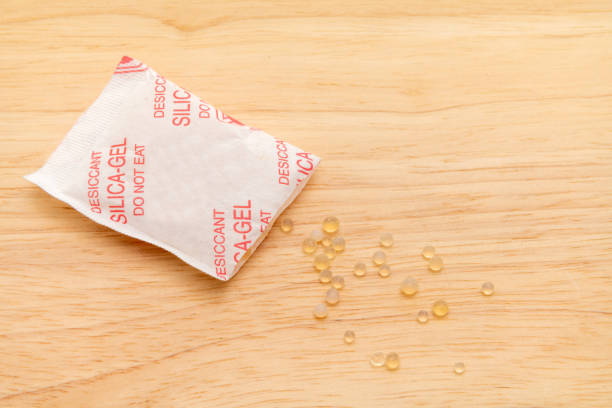
Drying flowers at home has grown into a rewarding hobby. People hope to keep their garden’s brightest blooms for months or even years. Silica gel plays a big part in this. Pour those blue or white granules around petals, and they quietly draw out the moisture while helping blossoms keep their shape and color. Over time, it’s easy to find spent silica gel piling up in jars and tubs, leading to an obvious question for anyone who hates waste: can you reuse silica gel after using it to dry flowers, or do those small beads have one job only?Silica gel doesn’t actually gel — it’s a hard, porous form of silicon dioxide that acts like a magnet for water. Set it next to any fresh blossom, close the container, and watch its magic. Unlike sand, silica gel traps water in countless microscopic pores. Its drying action comes down to surface area, and these little beads really bring it. Used in everything from snack food packets to shoeboxes, silica gel sits in many homes already, though most folks treat it like single-use plastic and toss it when done with drying. That habit doesn’t match with the facts. The beads’ true trick comes from what happens after they’re saturated.The good news: silica gel can last for years with some simple care. Once filled with water from your last flower batch, those beads still carry their full structure. Use an oven to drive off the moisture. Spread them on a baking sheet, heat at 250 to 275 degrees Fahrenheit for a few hours, and you’ll see their color shift back if you use the crystal types that turn blue or orange after drying out. Non-indicating silica gel will look the same but act refreshed. This method leaves the beads hungry for another load of flowers.I’ve seen complaints from crafters about reused silica gel leaving behind dust or strange odors. That experience points to contamination. Flowers often carry sap, oils, or bits of pollen. These can rub off on the drying granules, especially if petals break apart. If you notice buildup or the silica gel smells musty after drying, it’s risky to use it for delicate blooms again. Regular oven drying helps with moisture but won’t scrub away the residues from plant matter. Some people have success sifting the beads through a fine mesh or blowing off debris with gentle bursts of air. Washing silica gel with water and letting it dry leads to clumping, which breaks down its effectiveness, so sticking with dry cleaning has more upside.Throwing away silica gel after a single use feels unnecessary. The environment benefits when we take care to reuse resources that don’t break down after their original purpose. A home supply of silica gel often outpaces what you can buy in any one packet. Many crafters and gardeners pay real money for large tubs, hoping to protect both flowers and smaller treasures. Roasting beads to recharge them means less plastic waste in the trash can and makes the process of preserving memories more sustainable. Regular recharging also reduces the need to buy replacement granules, which saves money and cuts demand on raw materials.Not all silica gel comes with indicators that make the refresh process simple. Without those color-changing beads, it’s easy to guess wrong on how dry your silica gel is. This can lead to less-effective preservation or, in rare cases, ruined flowers. If you rely on the type with blue or orange indicators, you can tell with just a glance when to refresh batches. Those working with the plain kind may want to check for residual dampness before committing a new bouquet. Custom dyes and markers work for some, but nothing matches the visual ease of indicator beads. If the silica gel ever breaks down into fine powder or chunks, it won’t provide reliable drying. At that point, it’s time to replace it.Silica gel has been used for decades in everything from food packaging to museum artifact storage. Its ability to absorb about forty percent of its weight in water makes it reliable for repeated use. Museums routinely dry silica gel and evaluate its performance before trusting it with precious objects. For home flower drying, those standards work too. A single pound of silica gel can dry many batches of blooms over years if kept clean and refreshed. Most experts recommend discarding only silica gel that’s heavily contaminated or physically degraded, but regular maintenance works for the rest. Reusing silica gel comes down to a mix of careful inspection and regular recharging. Sift out the debris, heat it dry, and check for lingering odors. If beads still seem musty or sticky, consider replacing that batch for precious projects. Those drying high-value flowers, like bridal bouquets or rare species, often keep a fresh supply on hand for important work and reuse only with less vital projects. Buying indicator-type gels saves time, and storing beads in airtight containers protects against accidental moisture from the air. Share extra or spent beads with those drying less sensitive items, such as craft models or seed packets, instead of tossing them. Treating silica gel as reusable keeps flower drying cost-effective and minimizes waste. It doesn’t take much effort to extend its lifespan. Store it dry, keep it clean, and refresh it in the oven. Treat suspect batches with care or use them for purposes where maximum performance matters less. By respecting both the science and the art behind silica gel’s properties, home crafters can enjoy more beautiful dried flowers—without churning through endless supplies.
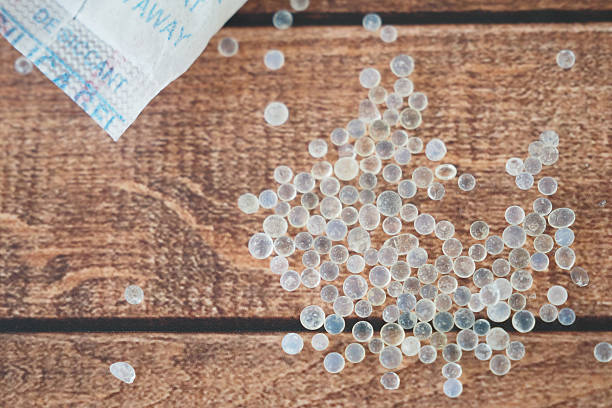
Preserving flowers is something many people try at least once. Maybe it’s a wedding bouquet, a birthday gift, or simply a bloom from the backyard that holds some kind of memory. Silica gel offers a way to capture those moments and keep flowers looking close to fresh. It’s an easy idea—you bury the flowers in the gel and let them “dry.” Yet, every time I’ve guided someone or tried this myself, the question pops up: How long should those petals stay hidden under the blue crystals, and is there such a thing as “too dry”?Through years of fumbling with coffee cans and plastic containers filled with silica gel, I’ve learned that every flower is different. Silk-thin petals like those on daisies or cosmos drop their moisture faster and call for a gentle touch, usually five to seven days. Thicker blooms—roses, gardenias, peonies—ask for at least a week, and sometimes up to two. If you try to rush, expecting the process to finish overnight, petals can wilt or darken. Letting them sit for too long, a fear that doesn’t always cross people’s minds, often causes the petals and stems to become brittle and lose their life. Over-drying can sneak up on you—after a certain point, the colors dull and petals that once felt papery now break and crumble if handled. Nobody wants a preserved rose that shatters at a whisper.Flower preservation isn’t just a craft. It connects to basic plant biology. Fresh flowers hold a lot of water. Pulling that moisture away too quickly with a heavy layer of silica gel can cause shrinkage or misshapen buds. Too little gel or too open a container can trap humidity and start mold. If the flowers stay buried much longer than their ideal window, the remaining structure—the stem, the petal veins—gets so dry that it gives up all flexibility. Veterans sometimes recommend checking after three to four days, especially with fragile blooms, and gently brushing away some gel to peek at the petals. If the flower still feels “plump” and chilly to the touch, it needs more time. If crispness has set in and the color looks true, it’s best to lift it out.No two households match in terms of indoor humidity, daily temperatures, or even the type of silica gel in use. All these details shift how quickly flowers dry. If you work with silica gel often, it’s smart to keep a notepad handy and jot down the date you set a batch aside and when you check them. Over-drying isn’t just a minor mistake; it means hours or days of patient waiting get wasted, as petals and leaves can disintegrate during display or crafting. The best approach is to check regularly, learn from every attempt, and accept the humble fact that even the guidebooks only share averages instead of universal rules.People turn to flower preservation for many reasons. Sometimes, it’s about holding onto beauty. Sometimes, it’s about saving a piece of a story. Drying with silica gel isn’t just about following a recipe. I’ve shared afternoons with others, sorting flowers and laughing about the ones that turned to confetti because we left them buried too long. The experience matters—slowing down, checking progress, learning by touch and sight. Online communities and florists share wisdom, offering tips like mixing thick and thin-petaled blooms separately. Keeping a close eye on things, tracking time, and having the patience to resist the urge to “just let it go another day” make all the difference.The truth is, every batch teaches something new. A flower that shatters from over-drying can still look perfect in a flat pressed frame, as long as you cultivate a gentle hand. If you consistently struggle with brittle blooms, experiment with a shorter drying cycle. Use a spoon or brush to gently free a test flower, checking not just for dryness, but for flexibility and color. A humidity gauge in the drying space helps, too. For people who want reliability, setting a reminder to check after day five or six, then every day after, can save a beloved flower from turning to dust. Save any odd pieces for smaller crafts—resin jewelry, bookmarks, or bath sachets—so no effort goes to waste.Nothing beats old-fashioned trial and error. Even after years of drying, I still run into a flower that throws me a curveball—a carnation that holds on to more water than you’d expect, or a tiny forget-me-not that dries out before you blink. Sharing results, tips, and even mistakes in forums or local garden clubs adds something meaningful to the process. The result isn’t always perfect, but the practice builds trust in your eyes and your hands. Choosing patience, recording each try, and staying open to learning from every flower brings more lasting success than any strict guide. In the end, honoring that memory or beauty becomes easier with each season.
Flowers have a knack for bringing a room to life, their colors and shapes stirring old memories and hopes for what lies ahead. I remember my grandmother’s dining room, where violets—pressed between yellowed wax paper—sat tucked in a crystal dish. Over time, the colors faded, and the petals turned brittle, their texture more like parchment than bloom. Folks these days are drawn to silica gel drying because it promises to capture a flower’s beauty with a bit more color left intact. Silica gel pulls moisture fast, so petals hold their shape, keeping daisies and roses looking fresher than old-fashioned pressing. It looks like you’re freezing a moment for years to come.It’s easy to get swept up in the dream that dried blooms last forever, especially with stories floating around about bouquets lasting for “decades.” In practice, time still has the last word. Silica gel dries flowers better than air or pressing by locking out mold and slowing breakdown of plant tissues. Dried right and kept away from sunlight and damp air, many silica gel-dried flowers hold up five to ten years. Some keep their color with clever storage—tucked inside shadow boxes, kept away from open windows, and handled with clean, dry hands. Life creeps in, though. Ultraviolet rays from sunlight break down pigments, turning reds to straw-yellow. Petals become brittle. Even inside glass domes or sealed frames, oxygen keeps working on plant material, reacting slowly with each cell.Behind every flower someone dries, there’s usually a reason. It might be a wedding bouquet, a birthday surprise, or blooms from a loved one’s funeral. Saving these flowers feels like saving a morning, a season, or a person. Modern drying methods amplify hope for a keepsake that lasts. From a personal angle, I get why people go the extra mile with silica gel—nobody wants memories to crumble, even if they know deep down that nothing stays the same forever. Scientists have backed up what experience already taught many: organic material breaks down. Even with strong barriers, pigment molecules lose electrons. No freeze-drier, no dust-free dome, can stop this completely. The best outcome is slowing down loss, not stopping it.Dried blooms, even with silica gel, do best in steady, cool, and dark places. Displaying them away from kitchen steam, bathroom moisture, and blazing windows reduces fading and crumbling. Spraying with clear fixative can help, but spray too much and petals lose their soft texture, so it’s a balancing act. I made the mistake once of keeping a pressed rose on a sunny windowsill. It turned almost white in less than two years, then started breaking apart. Care can push that finish line further out, but each touch, breeze, and sunbeam takes its toll. Home conditions—central heat, air conditioners, the swirl of dust—all accelerate aging, even with the best intentions.Plenty of people wish silica gel could push back time forever, but no method can guarantee a bloom’s colors will outlast the decades untouched. A twenty-year-old preserved corsage tells a good story, but look close enough and you’ll find time’s marks. That being said, what dried flowers mean matters as much as how long they look perfect. My own keepsakes—petals saved from celebration and loss—have faded, yet I still see the moment they came from. People who want their flowers to last should focus on protection: rotate shadow boxes to prevent uneven fading, dust with soft brushes, keep away from high humidity, and stay away from aerosol cleaners. Some set up small dehumidifiers in display cabinets. Deep cold, such as long-term freezer storage, slows decay even more, but risks accidental thaw and freezer burn. No path works as a magic bullet.Silica gel delivers the sharpest colors and strongest shapes for home keepsakes, museum displays, and even scientific specimen storage. Botanical conservators—experts who care for precious plant material—have proven that low humidity, gentle handling, and protective edging preserve a specimen longest. Still, every cataloged sample, no matter how carefully stored, changes incrementally over time. We can learn a lot by paying attention to these best practices and accepting that nothing living stands outside time’s reach. It doesn’t take away from the beauty or memory; it reminds us why each petal stood out in the first place. The lesson comes down to caring for dried flowers with thought, knowing their form will linger long past the scent but not forever, and letting go of the idea that perfection means permanence.
Drying flowers brings a piece of a garden indoors, locking in color and structure for years. Silica gel does the heavy lifting for this, pulling the moisture right out of delicate petals and stems. I remember the first time I tried to preserve a bouquet from my backyard. The internet spun me in circles with ratios and grams per blossom, leaving little clarity. If you've wandered the same web maze, here’s a direct take.Most regular folks, myself included, measure silica gel by eye and by the size of their container. What mattered most wasn't some magic ratio per bloom, but making sure every flower was surrounded—completely covered from all sides. You lift a flower from a finished batch, and you’ll see a graceful memory instead of a shriveled, brown shell. That doesn’t happen unless you use enough gel to shield even the smallest creases, and make space for the gel to draw water from every angle.Tossing flowers into a barely-there layer of silica gel is like half-baking a cake—disappointing results are baked in. This isn't about overthinking grams per petal. It’s about coverage and patience. Pour a layer of silica gel into a sturdy, airtight container, maybe an inch thick if you're working with small blooms like daisies. Rest each flower head-up, then carefully spoon gel around, letting it filter between each petal. Keep pouring until your flowers disappear under a mound of crystals. For larger blooms—roses, peonies, hydrangeas—double the amount. That’s a lot of silica gel, but if saving a memory matters, this is not the place to skimp.A single one-kilogram container of silica gel handles a handful of small flowers, but even this doesn't stretch far for bigger projects. Beginners underestimate just how much the crystals soak up as the flowers dry. Reused gel limits success. Each round of use pulls less and less moisture, and older gel sometimes leaves petals flecked with odd color. I’ve learned from experience: make a bigger initial investment, and stick with fresh crystals, especially if color preservation matters.People dry flowers for all sorts of reasons—memories, crafts, weddings, science projects. If the process turns the outcome brown, limp, or faded, the method flops. Silica gel works better than air or pressing for vibrant color. The key difference? Shielding the whole flower all around, letting no petal touch the container sides or another bloom. That takes more silica gel than most guides admit. Conserving crystals by skimping on coverage ends with wasted time and a faded memory. One hard lesson from my kitchen-table experiments: There’s no “too much” silica gel. Only “not enough.” Some flowers, especially thick-petaled types like roses and dahlias, demand twice as much gel per head as thin-stemmed, flat flowers like violets or daisies. Erring on the side of a heavy pour beats coming up short after a week. Any leftover gel can be dried in the oven for future batches, stretching your dollar.Silica gel makes drying flowers nearly foolproof when you drown each blossom in it. Budget can quickly become a barrier, especially for large, layered bouquets. For most people, scouring big-box stores or specialty art suppliers for bulk packaging cuts costs. Watch for silica gel in larger grain size, which sifts easily without crushing fine petals or getting stuck in centers. Avoid colored indicator gel if possible; those blue or orange beads can sometimes stain white or pale petals.With materials in hand, pick a sealable tub several times larger than your flower bunch. The container must close tight, or ambient humidity will seep in and undo your work. Pour a generous bed of silica, nestle flowers gently into grooves, then finish off with enough gel to bury everything. Timing varies by flower thickness—small pansies dry in days, roses require over a week. Take a peek by gently tipping away some gel after five days, but wait out full drying even if the anticipation bites.Anyone starting out might be tempted to use makeshift containers or skip steps to save money. I once tried reusing take-out tubs for anemones, but loose lids let moisture linger. The result: limp, half-dried petals clinging to dull-green beads. There’s no workaround for patience and good gear.While forums argue about teaspoons or cups of silica gel per flower, the results always side with the folks who overdo it. Heartbreak comes from skimping, not from surplus. If you find yourself with extra gel in a box, dry it out and reload for the next batch. If you’ve invested in good silica gel, you’ll soon see why precise measurements matter less than wrapping every bloom in a protective blanket, so even flowers plucked in midsummer return each time you open the container—preserved as living color, not just pressed history.
People who love keeping a bit of nature indoors often stumble across the problem of how to keep flowers looking fresh after they’ve been picked. As someone who dabbles in crafts and remembers watching grandparents press wildflowers between the pages of thick books, I know the patience that traditional methods demand. Over the past several years, silica gel jumped onto the scene as a modern way to dry blooms while holding onto color and shape. But lately, more folks ask if silica gel cat litter, which is widely available and much cheaper than craft store versions, works just as well. I remember seeing the bright blue specks scattered through a bag of cat litter and thinking that they looked a lot like what comes in tiny sachets tucked with new shoes or electronics. That similarity got my curiosity going.Silica gel acts like a thirsty sponge—it’s not really a gel, but a kind of sand that traps moisture. The material’s porous structure pulls water away from petals and leaves without heating or pressing, so flowers keep more of their original shape and hue. Commercial silica gel for drying flowers is usually crystal clear or a light blue before it changes color, making it easy to see the transformation. Meanwhile, silica gel cat litter often mixes in indicator granules, which might help signal when it’s soaked up all the moisture it can handle.Cost makes a big difference for many people looking to preserve bouquets. Craft store silica gel can get pretty pricey for a single project, while cat litter usually comes in generous bags. It’s easy to see why someone might reach for what’s on the shelf at the grocery or pet shop, especially for large arrangements or budget-friendly classroom projects. Both craft silica gel and the stuff in cat litter serve the same basic function, but there’s a catch: not all cat litter is pure silica gel. Many brands mix in deodorizing agents, fragrances, or dyes intended to mask odors in a litterbox. These extras can react with petals, leaving stains or odd smells. If you want to try it out, sticking to fragrance-free, additive-free crystal cat litter makes the most sense. I learned this the hard way when I ended up with a lovely pink rose that smelled faintly like artificial lavender, even after brushing it off.Silica gel gets advertised as non-toxic, but that doesn’t mean it’s edible or risk-free. Small children and pets could mistake the bright granules for candy, so storage becomes a priority. Drying flowers in an airtight tin or a sealed plastic box keeps silica gel working at its best and stops fine dust from escaping as you unearth your blooms. After drying, brushing off the crystals requires care, since the granules wedge themselves into folds and layers. Patience and a soft paintbrush help minimize breakage or accidental bruising on delicate petals. Flowers dried this way look far more lifelike than pressed ones, and they tend to keep their color for years if shielded from direct sunlight and moisture.In my flower-drying experiments, the difference between craft gel and plain crystal cat litter boiled down to color and cleanliness. Craft silica usually comes pre-washed, dust-free, and crystal clear, avoiding any risk of accidental stains. Some batches of cat litter, even the additive-free types, carry a faint dustiness or pick up a blue tinge on contact. For pale flowers—think white daisies or cream peonies—the risk of subtle discoloration shows up after just a few days of drying. For deep reds and purples, there’s less worry. Choosing cat litter with indicator beads that shift from blue to pink when saturated takes away some of the guesswork; you’ll know when it’s time to recharge or switch out the crystals. I’ve had the best luck reusing silica gel from both sources by drying it out in a low oven, then sealing it in an airtight tub for later use.Experimenting with cat litter as a flower-drying medium offers a new way to stretch budgets and challenge traditions. Not everyone has easy access to specialty craft stores, but most neighborhoods have a corner market or big-box retailer with pet supplies. The satisfaction of pulling out a perfectly preserved bloom, without breaking the bank or relying on specialty suppliers, brings a certain pride. Confronting the risk of impurities becomes easier after reading a few online reviews or chatting with others who have weighed in on their favorite brands. Sharing knowledge on which local options skip the perfumes and colorants keeps people from repeating the same mistakes. As a longtime gardener and frugal hobbyist, I value any strategy that takes advantage of accessible household goods.Silica gel doesn’t break down easily, which brings up questions about sustainability. The process of mining and producing silica products consumes resources, so using and reusing gel for multiple flower-drying batches keeps waste down. I tend to store batches in old coffee tins, refreshing the crystals with a brief oven roast every few weeks during peak bloom season. Knowing you can use cat litter silica gel more than once makes it a greener alternative compared to single-use desiccants or tossing out big plastic bags after just one go.If you want to get the most out of drying flowers with cat litter, a little prep goes a long way. Avoid pouring too much litter into containers, since crowding petals or jamming blooms down can flatten them—something I learned after trying to squeeze an extra sunflower into a box that barely fit one daffodil. Letting the materials sit for at least a week, and checking on progress daily after four days, rewards patience. Sometimes it means sacrificing a few petals to see how preservation holds up, especially with thicker or waxier blooms like ranunculus. While the method doesn’t suit every flower type—succulents or fleshy stems head for the compost pile instead—it delivers vibrant results with proper planning.Using silica gel cat litter to dry flowers makes for a handy, affordable solution, as long as you’re willing to experiment. Some batches turn out flawless; others end up with an odd tint or a subtle lingering scent. For people who value resourcefulness, who want to try out techniques without shelling out for high-cost specialty material, it opens the door to creative preservation. Sharing the knowledge helps more people hold onto summer’s color through the fall and winter, transforming store-bought pet supplies into tools for memory and craft. With an open mind and a willingness to learn from both successes and failures, anyone can turn a simple grocery run into a project that brightens the mood all year long.
Flowers always mark something special. They celebrate milestones, bring comfort after loss, and brighten a simple day. The urge to keep them close for longer feels natural, almost necessary. Nothing lasts forever, though—fresh petals wilt, stems sag, and color fades before you know it. That’s why so many people look for ways to lock their favorite blooms in time. Using epoxy resin cracks open creative possibilities, letting anyone trap cherished flowers in a work of art. Still, getting it right means solving some real challenges. Without silica gel—an ingredient that pulls out moisture—things get trickier. Moisture trapped in petals breeds mold and, eventually, disappointment. Instead, the key lies in patience, know-how, and a willingness to accept imperfections from mother nature herself.Not everyone has a stash of silica gel packs at home, and buying specialty materials turns a humble craft into a chore. Years ago, I tried preserving dandelion clocks in resin using nothing more than air drying. The fluff drooped and seeds scattered despite my best efforts. Flowers hold so much water that rushing into resin leads to bubbles, decay, and discoloration. Real success depends on going back to basics. Hanging blossoms upside down in a cool, dry spot remains one of the oldest tricks around. The process takes weeks, but hanging gives gravity a chance to stretch out petals and stems. Morning dew, strong sunlight, or high humidity all threaten good results. Flatter flowers—think pansies or violets—press well inside heavy books lined with wax paper. Pressed blossoms end up fragile but ready for resin. More robust types, like roses, need a bit more patience; layering them in a box of cornmeal or rice to slowly wick away moisture can take a month or longer, but keeps their shapes better than books do.Using air, books, or even that old box of rice from the pantry isn’t just a matter of cost; it forces you to interact with every petal and stem. You get hands-on knowledge about how moisture plays tricks on shape and color. Quick fixes don’t exist, and skipping proper drying runs up against the one thing resin cannot forgive: leftover water. Epoxy traps moisture inside, which cooks flowers from the inside out. This leaves a cloudy finish, cracks, and a slow collapse of the entire piece. Years ago, I spoke with a florist who tried embedding hydrangeas without proper drying—every piece ended up with brown splotches and a dim scent of mildew. The right drying process can’t be faked and doesn’t cost a lot, just time and attention. It’s humbling, knowing that nature always has the final say, and that slowing down gives better results than any chemical shortcut.People often look at resin flower jewelry or paperweights and marvel a little at the crystal-glass effect. It comes off as simple: combine flowers and resin, stir, and pour. In truth, every batch depends on conditions in the room, the exact brand of resin, and careful measuring. Humid days spell trouble, and a single wrong move can turn a clear pool into a foggy mess. Pouring resin in layers prevents air pockets and stops delicate petals from floating to the surface. Good results take more than following a set of instructions; they ask you to observe, adjust, and sometimes start over. Those on a quest for perfection miss the point: the best pieces carry the unique marks of real flowers with all their quirks. Those quirks—an uneven leaf, a slight curl around a petal—make every preserved piece honest and meaningful.Drying without silica gel has some limits, especially if you need bright colors and exact shapes. Some folks swear by microwave pressing, where flowers go between two tiles in short bursts to drive out water. I’ve burned more roses than I’ve saved this way, but thinner flowers respond well if you keep a close eye. People living in rainy climates run into problems with mold and slow drying. Using a dehumidifier, a fan, or even repurposing an electric food dehydrator helps. If budget and patience allow, working with out-of-season flowers—sometimes the most stubborn—calls for starting over if results don’t hold up. In my experience, you get better at troubleshooting with every misstep. Each failure hints at a next approach: tweak the drying time, adjust the resin’s cure time, or pick sturdier blooms next round.Preserving flowers amounts to more than a mere hobby for some people. Brides tackle this task to save their bouquets, and families frame funeral flowers as keepsakes. These tokens carry the weight of memory, anchoring a person to something important. My own attempt to save wildflowers from a mountain hike turned out clumsily—stems bent, colors faded—but the memory stuck around, a reminder of a windy July afternoon. People crave that kind of tangibility, keeping life’s highlights tucked close even as seasons change. Preserving those moments is worth every misstep, every cracked petal, every failed batch of resin.Epoxy resin crafts look intimidating at the outset. Without tools like silica gel, the hurdles multiply, but so does the satisfaction. Most resources online skip over mistakes, showing only polished, professional results. In truth, every glossy piece likely hides several failed attempts. Choosing to skip fancy chemicals means working a bit harder, thinking creatively, and learning as you go. It feels less like a formula and more like an ongoing experiment. Sharing lessons learned can help others avoid common pitfalls, reinforcing the point that patience pays off. If one flower turns brown, another will shine. Over time, small skills add up, and honest attempts at preservation become art, not because they’re flawless, but because they’re real.Trust pops up as something vital with resin crafts, especially when people pass along advice. Guidance should come from tried methods and shared failures, not quick fixes or products making big promises. Anyone looking to preserve blooms without silica gel benefits from hearing what actually works—air, time, low-humidity rooms—and what doesn’t. Backing up tips with examples, explaining the science of moisture control, and admitting missteps all earn credibility. Real knowledge comes from experimenting and paying attention to what nature allows, not shortcuts alone. That kind of care builds both expertise and trust, cornerstones in the craft and DIY world.


