
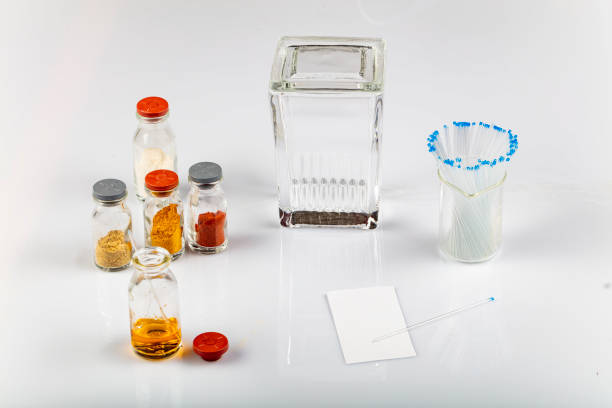
Drop into any chemistry lab late at night and you'll catch sight of some glass columns stacked with a white, sand-like powder. Under the hood, that’s silica gel, and it's quietly separating out the building blocks of all sorts of compounds from tangled mixtures. The process isn’t elegant or high-tech on the surface, but it pulls its weight day in, day out. Scientists trust silica gel chromatography for the same reason short-order cooks reach for their battered frying pans—reliability and clear results.For people who don’t spend time among beakers and flasks, it’s easy to believe that modern science runs through digital sensors and automatic robots only. In reality, handfuls of researchers every year spend long hours with basic silica gel columns and thin layer chromatography plates. These tools underpin everything from medicine discovery to natural product isolation, bearing the brunt of work that tells scientists if their tests hold water.My time as a lab assistant taught me that thin layer chromatography (TLC) feels a lot like detective work on a budget. Imagine smearing a tiny spot of your chemical soup on a glass plate covered in powder. Dunk one edge in a beaker with solvent, then let the liquid crawl up. Migrating compounds leave behind a lineup of spots. Each position gives a clue—how polar each molecule is, whether you made the right stuff, how pure your find turned out. TLC plates don’t cost much, and results appear faster than most any other test. This isn’t just about speed or saving cash; it’s about answering the core questions of chemistry with your own hands and eyes. Plenty of experienced researchers still lean on TLC plates, even when flashy machines lurk in the same room, because trust builds on tactile, visible proof.Early mornings in grad school, I packed my first glass column with silica gel, loaded a brownish sample, and let the solvent drip. A good column transforms a muddy liquid into bands of color, sometimes right before your eyes. It gives chemists an almost magical sense of control—turning chaos into order. There’s nothing automated or “push-button” about it. One has to judge flow rate, time fractions, swap solvents. In many areas of research—especially in natural products, synthetic organic chemistry, and biotech startups—column chromatography’s blend of manual skill and scientific savvy keeps critical projects moving. Even mistakes teach lessons. Overflowing pressure? Sample runs too fast? Each misstep offers a new way to get things right next time. For young scientists, mastering columns signals entry into a hard-working world that values focus and patience.In the hunt for faster workflows, labs started speeding up column separations using pressurized air or pumps—a process called flash chromatography. Unlike its older cousin, flash columns run under pressure, so samples whip through silica several times faster. The concept remains the same: all rides on the differences in how sticky each compound feels against the silica and how ready it is to hop into the flowing solvent. The payoff comes in precious saved hours and sharper separations, important if dozens of samples pile up on your lab bench. I’ve seen flash setups tip the balance when deadlines loom. Whether a chemist works in pharmaceuticals, agricultural science, or environmental analysis, a reliable flash system can turn a day’s trial into a few productive hours. Labs push for cleaner, greener solvents and recycling methods to curb the downside: all that used silica and solvent waste building up is no small issue, and sustainable practices can’t lag behind speed.Once samples get messy or valuable enough, research budgets swing toward high performance liquid chromatography (HPLC). HPLC swaps glass columns for sturdy metal tubes and silica gel with tightly controlled, minuscule particles. The machines run samples under high pressures, using a controlled flow of solvents to tease apart the most stubborn of mixtures. A friend in a cancer research lab swears by HPLC for separating drugs from tangled cells, with results detailed down to the nanogram. The key edge here is reproducibility and sensitivity. HPLC doesn’t just show a smear or band, it traces tiny peaks, cataloging both the knowns and any lurking impurity. Still, there’s a catch—cost. These machines drink high-grade solvents, require maintenance, and need operators who know the quirks of each system. Training and experience count just as much as shiny hardware. There’s debate about cost versus accessibility, especially for smaller labs around the globe. Crowdfunding, shared facility programs, and grant support often keep this level of precision from becoming a privilege only enjoyed by wealthy institutions.Silica gel may look harmless, but repeated use in close quarters can put health at risk. Breathing in fine particles irritates lungs, and glassware breakage makes for tricky clean-ups. Labs that value workers’ health invest in proper ventilation, training, and waste management. My early days involved daily reminders to keep dust down and dispose of used silica safely, underscoring that safe science is smart science. Green chemistry pushes the field forward, with teams developing alternative stationary phases, improved waste recycling, and less toxic solvents to lighten the impact on both worker safety and the environment.Silica gel chromatography, whether as TLC plates, hand-packed glass columns, speedy flash systems, or precision HPLC modules, remains the backbone for separating, purifying, and testing mixtures in labs everywhere. Its strength comes from adaptability—handling tiny research samples and industrial-scale processes alike. The world’s hunger for new medicines, cleaner chemicals, and better food safety standards keeps silica gel in steady demand. As scientists tinker and improvise, swapping traditional methods for new approaches where possible, the old standbys of separation science continue to teach valuable lessons about patience, skill, and the constant chase for better, safer results.
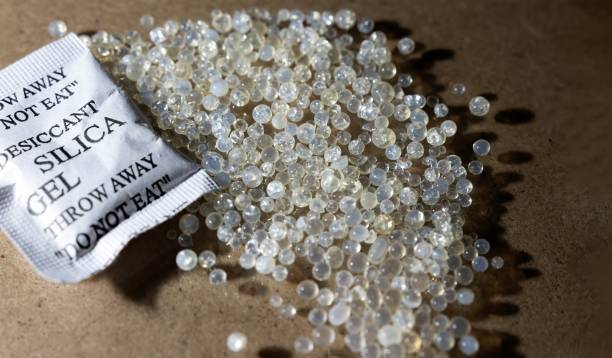
Most people think of silica gel as the small packs tucked inside shoeboxes that say “do not eat.” Behind those warnings, there’s a simple, unshowy material that scientists count on every day. Inside labs, silica gel shows up in columns and plates, playing a lead role in separating mixtures. It shapes the backbone of several chromatography techniques—think of it as a reliable workhorse, not just dehydrating shoes but helping chemists break down complicated cocktails of molecules. After spending years hunched over lab benches, juggling flasks and pipettes, I’ve seen how one compound after another relies on those tiny grains to get sorted out, to show what’s hiding below the surface.Take a close look at that powder. Silica gel packs a world of tiny pores. Its structure forces chemicals to interact in unique ways. In column chromatography, a chemist pours a mixture onto a layer of silica and then runs a solvent through. Molecules jostle against the silica’s surface. Each one sticks differently, so they pass through at different times. That small difference makes it possible to pick out one compound from another—even when the two seem almost too close to tell apart. For drug makers, cleaners, even perfume blenders, this means checking whether what’s in a bottle matches the recipe, or making sure nothing unwanted crept in. Years ago, in graduate school, I spent weeks separating natural products from plant extracts—often the difference between finding something exciting or coming up empty came down to picking the right batch of silica gel and tuning how it was packed into the column.Other substances get thrown into columns, sure, but silica gel keeps beating the competition. It isn’t just about cost or convenience. Silica gives molecules solid ground to grip: its surface bristles with chemical groups eager to grab passing compounds. Those interactions provide enough sticking power for even the most stubborn molecules, but never too much to glue them in place. Chemists can play with different solvents to coax the right molecules off at the right time. Years of practical experience in research labs show how a stubborn mixture can sometimes refuse to separate on fancier synthetic stationary phases, yet march obediently across a well-packed silica gel column. It earns that trust every time the routine test works as expected.Better methods and higher-tech resins make their way into labs each year, yet silica gel keeps its spot through dependable performance and adaptability. Environmental monitoring, pharmaceuticals, oil analysis, even forensic science—many of these fields build their basic protocols around what silica gel offers. The science community trusts it because the process can be learned by newcomers and scaled up for the most significant industrial runs. The reproducibility stands up to peer review and, as I learned with my own hands, helps students understand separation long before they move on to machines that do the work for them. When results must be checked, a run with silica gel gives a reference point no one can argue away.No tool is without faults. Silica gel can break down with harsh solvents, loses steam in strongly alkaline conditions, and precise results lean on careful column packing. Waste from used silica also raises questions on disposal. Green chemistry asks whether future stationary phases could cut down on waste and power needs. For many routine runs, a gentle nudge toward recycling or biodegradable alternatives may soon turn from wishlist to reality in major labs. Researchers already experiment with tweaking the particle size and surface chemistry on silica gel, aiming for even sharper separations and longer reuse cycles. Open discussion in lab meetings and published studies keeps this conversation alive: chemists acknowledge tradition but keep looking for the next step forward.Outside the lab, it’s easy to overlook the basic things that keep science moving. Silica gel leans more toward humble than headline-grabbing, yet its impact touches every drug test, every food safety screen, every field where the difference between compounds spells danger or safety. It has been this way for generations, trusted in hands both novice and expert, quietly holding mixtures apart so science can dig deeper. That kind of reliability earns respect, not just in the data but in the daily grind—where those small, white grains help reveal the truth, one separation at a time.
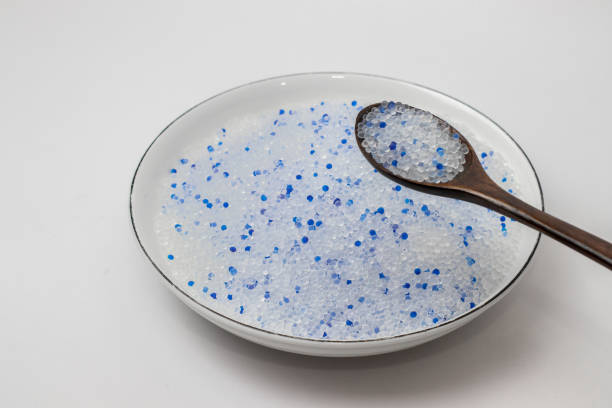
Anyone who’s spent time at a lab bench knows the frustration of trying to pull apart chemical mixtures that look identical to the eye. Even after a decade in research, I never lost respect for the power of a simple silica column placed upright and packed tight. Silica gel chromatography doesn’t need fancy gear—just care, patience, and a bit of troubleshooting grit. The odd thing is, its principles rely on basics: exploiting the differing attractions between molecules and surfaces. The silica itself acts almost like a molecular magnet for compounds, especially those with polar features, clutching onto some substances tighter than others. By flushing a carefully selected solvent through the packed column, the laboratory worker sets off a kind of chemical race. The speed at which each compound exits the column tells us a lot about their interactions and personalities.Walking through the steps, the operator adds a mixture of compounds to the top and lets gravity or sometimes gentle air pressure do the heavy lifting. Solvent flows down and starts separating the compounds along the way. A solution that’s too polar or too weak, and you’re left spinning your wheels. Years of practice taught me the hard way—too aggressive with the solvent, and compounds blend together without separation. Too timid, and you’re waiting a whole afternoon for smears of product that drift late like lazy students. A good eye and practiced hands make the difference. The clear bands that form through the silica, each representing a different molecule, are a source of satisfaction only someone who’s had columns fail repeatedly can understand. Quality counts for everything: fine silica grains, packed snug and consistent, keep channels straight and minimize frustrating surprises.Modern chemistry leans hard on high-tech tools, but silica gel columns stay relevant across disciplines. Whether in organic synthesis or natural product isolation, this method carries a reliability that machines alone can’t always guarantee. I’ve watched teams try to automate simple chromatography tricks, spending weeks chasing results that an experienced chemist with a handy column could pull off in a day. The roots of this method stretch back decades, yet it holds up in pharmaceutical labs and small research setups alike. That’s because chromatography with silica lets researchers separate and purify complex mixtures cost-effectively without sacrificing precision. Analytical data from thin layer chromatography (TLC) often complements the process, delivering snapshots along the run and confirming progress without expensive machinery. This sort of hands-on agility never goes out of style.Mistakes happen. Columns collapse, solvents dry up, collection tubes overflow, or bands overlap and muddy the results. Nobody forgets the pain of running out of silica mid-process or discovering after hours of work that a column wasn’t packed right. Over my time in the lab, I learned that controlling solvent polarity makes the biggest impact on separation quality. Sometimes, just swapping in a slightly less polar solvent saved weeks of repeat experiments. Keeping good records of previous columns—elution orders, solvent choices, flow rates—provided guardrails the next time I faced a tough mixture. A surprising amount of success comes from attention to everyday factors like temperature and humidity. Building a culture of care and accountability in the lab helped new students avoid costly, time-wasting mistakes. Regular training, careful labeling, and sharing practical tips—these small workplace improvements have far more effect than simply buying new gear.Peer-reviewed research backs up the reliability of silica gel as a stationary phase because of its affordable price and customizable properties. Silica’s porous structure delivers vast surface area, letting it interact effectively with all sorts of compounds. According to journals from ACS and RSC, it still ranks among the most-used separation strategies in organic chemistry. The straightforward nature of this technique also makes it appealing for teaching and for use in places with limited resources. Graduate programs around the world introduce chromatography early, because it encourages both technical skill and a disciplined approach to experiment troubleshooting. In industry settings, purification of drug candidates and natural products often begins at the column. Yield and sample purity depend directly on the person behind the bench and their grasp of the basics.Old-school silica gel chromatography works best in the hands of someone who values planning and learning from every run. Labs that respect experience and embrace routine re-evaluation get better results than those focused strictly on automation or speed. Sharing knowledge among younger chemists, keeping detailed protocols, and correcting problems before they spiral all lead to smarter, safer science. Through everyday use and the combined insight of generations, chromatography keeps proving its value—reminding everyone that practical skills and sharp observation still have a place in research.
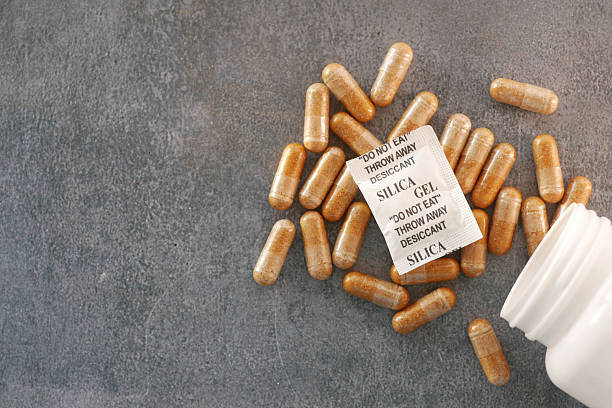
Back in college, I spent hours hunched over thin-layer chromatography plates, always waiting for the answer to reveal itself along a short strip of silica. The first time I loaded a polar compound onto the plate, it barely moved up the sheet, shy next to its nonpolar cousins that zipped upward. Silica gel’s behavior puzzled many of us who came in as novices, expecting every compound to travel the same distance in a race. But as compounds separated, I realized this little experiment revealed something about chemical relationships that textbooks hurriedly glossed over. Every chromatographic run hammered home the essential lesson: nonpolar compounds travel faster on silica gel than polar ones.Silica gel isn’t just white powder. It’s polar through and through, covered with hydroxyl groups that cling tightly to anything with similar polar tendencies. Nonpolar compounds barely interest silica. They get swept away quickly by the mobile phase, often just a mix of simple organic solvents. In contrast, polar compounds become houseguests who overstay their welcome. If you’ve ever watched a TLC plate develop and wondered why your nonpolar sample races ahead while the polar sample lags behind, you’re witnessing the dance of molecular attraction and repulsion at work. Data supports what we see in the lab. TLC plates worldwide demonstrate that nonpolar molecules like hydrocarbons or even simple esters blast up the silica gel with high retention factor values, while sugars, acids, or amines barely move, stuck by hydrogen bonds and dipole interactions.Thin-layer chromatography isn’t just a lab exercise for undergraduates. Pharmaceutical companies, environmental labs, and food safety authorities rely on this technology every day to identify compounds, track reaction progress, and spot impurities. Lives can hinge on separating active ingredients from contaminants. Knowing that polar substances stick to silica while nonpolar ones climb high tells analysts where to look for what they need. I’ll never forget helping analyze a batch of over-the-counter medicine for a high school science fair. The teacher stressed that impurities often show themselves at different heights on the TLC plate, and you learn to interpret the results by understanding the way polar and nonpolar interact with the stationary phase. Careers grow from mastering these basics, as even small labs can make serious mistakes if they misjudge retention and migration. Peer-reviewed articles explain that silica gel surfaces form strong hydrogen bonds and other polar interactions, which nonpolar compounds are incapable of forming. That leaves the nonpolar molecules in a hurry to escape with the solvent front. Experienced chemists rely on this principle to purify mixtures; switching to a less polar stationary phase, like alumina, immediately shifts which compounds race ahead and which lag behind. Published textbooks consistently describe the polar nature of silica and confirm that this feature explains almost every migration pattern on a TLC plate using standard solvent systems. Students often remember the rule this way: “Like dissolves like, but in chromatography, unlike moves fast.” Most labs juggle lots of samples with varied polarity. Mistakes happen when teams don’t match the right solvent system to the separation they’re after. One fix is to use a stepwise solvent gradient, letting nonpolar compounds move early, then adding more polar solvent to pull the sticky ones loose. Another tip from old hands: don’t choose silica just because it’s standard. Try reverse phase plates for highly nonpolar analytes. Adapting the method can shave hours off troubleshooting and reduce solvent waste, which cuts costs and limits exposure to harmful substances. Data from larger pharmaceutical companies show that method optimization—choosing the right stationary and mobile phases—improves both yield and purity in scale-up. No matter how advanced technology gets, thin-layer chromatography continues to prove its worth because of its ability to visually demonstrate core chemical relationships. Watching nonpolar compounds pass polar ones on silica gel is a practical lesson in how molecular structure shapes destiny. Ask old lab hands, and they’ll tell you the same thing: understanding these interactions gives you an edge, whether you work in quality control, materials science, or synthetic chemistry. Labs that invest time up front in understanding migration patterns reduce error rates, speed up troubleshooting, and deliver results that impact health, safety, and business outcomes. That edge often comes from simply watching which compound gets left behind and which one breezes to the finish line.
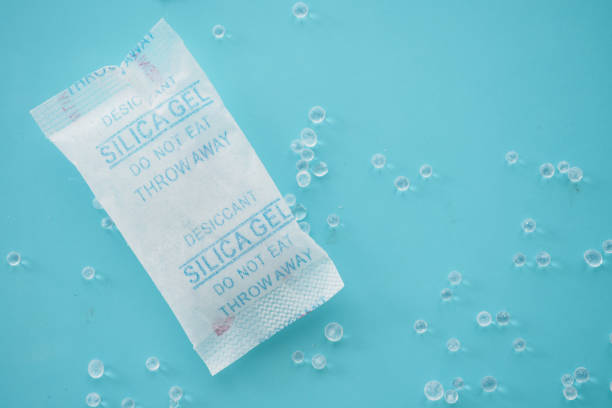
Many people toss away the tiny packets marked “Do Not Eat” found in new shoes or electronics. Most don’t realize these packets contain silica gel, a material doing far more than simply taking up space. Silica gel keeps goods dry and safe, and the way it performs goes straight back to the chemistry behind how tiny molecules interact. Looking at silica gel at the microscopic level, the secret to its drying magic depends on how it forms bonds—or rather, attractions—with other substances, most often water. Inside those beads, you’ll find a labyrinth of pores that create an enormous surface area. The significance of this structure goes beyond mere trivia; it means there’s a lot of real estate for water molecules to gather. This is what makes silica gel work as a desiccant. Take it from someone who has spilled water on electronic gear and seen firsthand what happens without good moisture control: water gets inside and can destroy circuits in hours or even less. Silica gel’s effectiveness rests on more than its size or shape. The forces that make water particles stick to its surface—mainly hydrogen bonding and dipole-dipole interactions—are the real game changers. Silica gel's surface carries hydroxyl groups, little clusters of oxygen and hydrogen. These groups attract water because both sides are polar, meaning they have slight electric charges. Water clings to the gel instead of staying in the air or settling on metal contacts. This simple act of pulling moisture out of the way is crucial, especially for preserving electronics, artwork, or medications. The term “van der Waals force” pops up a lot in chemistry classes, and these weaker attractions also play a role on the surface of silica gel, helping it grab onto other small molecules in the air. Together, these forces ensure that moisture leaves the space it might damage and gathers safely on silica gel instead. Working in a humid climate exposes everything—from camera lenses to vitamins—to constant risk. From experience, leaving silica packets in camera bags has saved thousands of dollars’ worth of equipment from mildew or lens fungus, which thrive in sticky air. The same goes for stored seeds in the garden shed or old family documents. Each time silica gel draws in moisture, those intermolecular bonds make all the difference. Without strong intermolecular forces, silica gel wouldn’t hold onto water or other volatile compounds well enough to serve a purpose. Across the globe, museums depend on these forces to protect ancient manuscripts, artists rely on them to shield finished canvases from swelling, and shipping companies use them to keep electronics safe on month-long voyages across the ocean. Moisture control isn’t some abstract problem—molecular interactions solve real, everyday issues. The facts speak for themselves: researchers have measured silica gel beads capable of adsorbing up to 40% of their weight in water. This high capacity comes from those interactions happening at every tiny surface inside a bead. There’s another key point. Intermolecular attractions aren’t permanent. Silica gel can be “reset” by heating. As the gel warms up, the bonds between water molecules and the bead surface break, sending the captured moisture out as vapor. This quality gives silica gel its reputation for being reusable and sustainable. Households and companies can dry out spent packets in the oven and put them back to work. Not all desiccants offer this flexibility, but the science at work inside silica gel’s pores supports an endless cycle of adsorption and desorption. Over time, these molecular forces prevent costly waste and lower environmental impact. Facts like these matter because they show chemistry isn’t just a subject on the school timetable; it’s a practical tool you find in your own desk drawer or shoebox. A closer look at society’s reliance on silica gel brings up a bigger issue: often, the packaging and usage ignore the science that keeps these products running smoothly. Many people throw out packets after one use, not realizing they could reactivate them. Public education plays a role—teaching how intermolecular forces work with silica gel raises awareness and encourages responsible use. By supporting repair instead of replacement, better moisture control has the potential to extend the life of electronics, books, and art. The chemistry behind this desiccant also points researchers toward improvements. Modifying the surface chemistry of silica gel or pairing it with other compounds could tailor its moisture-adsorbing abilities for specific situations. For example, specialty gels could capture volatile organic compounds in industrial settings or stabilize vaccines that shouldn’t see much humidity. As someone who has watched a rare book’s binding warp from excess water, I know more informed use of basic materials protects not just convenience items but also irreplaceable history. Silica gel’s value boils down to the simple yet critical attractions between its surface and passing molecules. Good science combined with responsible habits lets us get the most out of this unassuming desiccant, keeping memories and materials safe against the daily threat of moisture. Ignoring these tiny forces risks much larger losses down the line. For every packed bag or stored heirloom, appreciating the chemistry at work shifts perspective and opens up smarter ways to protect what matters.
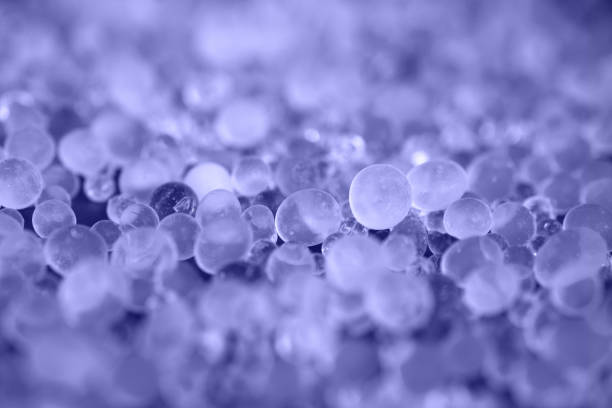
Over years of pouring columns and chasing clean separations, I have learned that silica gel is never just another white powder. Treat it right and you see crisp bands and pure fractions. Rush or skip a step, and even the best-planned separation can disappoint. Silica gel loves to pick up water if left open to the air, and packing your column with pre-used, untamed gel often wastes money and time. Fresh activation, through gentle heating in an oven set around 110°C, usually within a standard glass or metal tray, makes a difference you can see when you elute your sample. Some use a higher temperature for difficult cases, but above 200°C the gel might start showing damage or become too brittle for consistent flow.Pouring silica gel into a column can feel like an everyday lab chore, yet shortcuts here cause headaches late into the experiment. Overpacking often leads to blocked flow, underpacking lets channels form, and you end up chasing splits that won’t resolve by just running more solvent. A gentle tap on the side of the column coats surfaces and avoids bubbles, yet isn’t loud enough to crack glass. Mixing the powder with your chosen solvent, often a non-polar type like hexane or a bit more polar, helps load the gel smoothly. Letting gravity settle the gel will compact it evenly, but it’s smart to check for air bubbles by shining a light and, if needed, starting over instead of trusting luck. Watching those smooth, even layers form, knowing a little patience prevents weeks of headaches, still stands out as one of the true “lab Zen” moments.Used silica gel rarely performs as fresh material does. Some chemists swear by recycling it with elaborate gradings and acid washing; others never reuse gel, trusting commercial supply chains for quality control. In either case, cleaning off old dyes, spent compounds, and exposed surface contaminants matters. A long soak in a solvent, followed by decanting and oven drying, restores some adsorption strength, but surface chemistry may never quite return to like-new after certain strongly bound contaminants build up. Laboratories on tight budgets perform acid or base washes, then filter and bake the gel again, but this sometimes creates subtle shifts in separation profiles. For most essential runs, spending a little more and opening a new bag is the best insurance, as even trace contamination can contaminate a column or fool you into thinking a fraction holds treasure when it is only residual dye.Silica gel’s tendency to pull moisture from the air means keeping it honest. I once ruined an entire column when a poorly sealed bag absorbed so much humidity, it clumped and blocked flow. Store silica gel in airtight containers, ideally with a visible desiccant packet, and keep it in a dry room. Even after opening, resealing with thick tape or using a heavy-duty screw cap makes a difference. Checking before each major run saves from unpleasant surprises. If clumping or obvious discoloration appears, it’s safer to discard that portion or reactivate it with time in the oven, rather than risk weeks of uncertain results.Good chromatography depends on habits formed long before the sample ever touches the glassware. Silica gel isn’t magic, but mistakes with preparation quietly build into bigger problems: broad peaks, low recovery, repeated trial and error. Attention to activation, careful packing with the right solvent, honest cleaning, and practical storage help keep separations true and saves a big headache later. With the price of both time and reagents climbing, more labs could benefit from making these small habits routine. They won’t make headlines, but getting these basics right shapes success in organic labs everywhere.


