
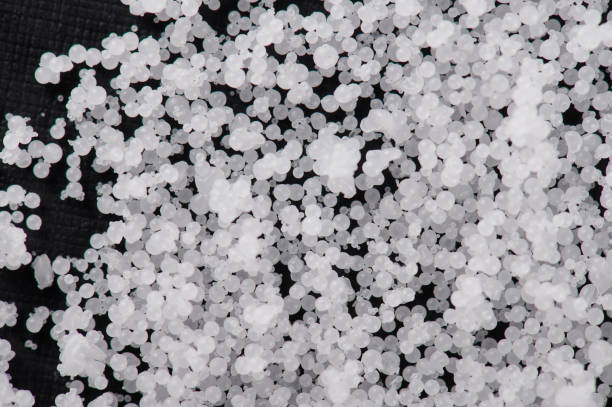
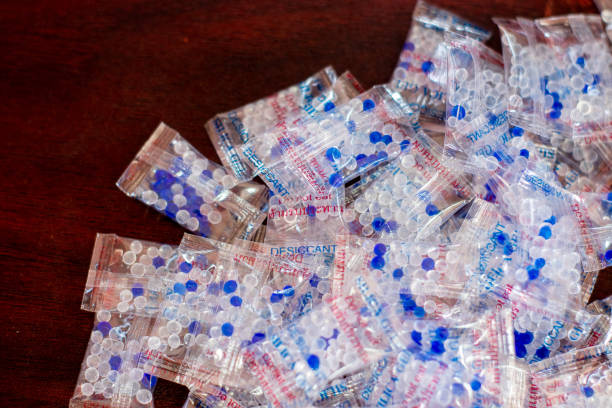
Small packets labeled “Do Not Eat” show up in everything from new shoes to electronics deliveries. They're packed with silica gel—hard, clear beads that soak up moisture better than a paper towel. Most folks treat them like trash and toss them straight out, without a second thought. I used to do the same, until I took a closer look at what really happens to silica gel after it leaves my hands. This stuff sticks around. It doesn’t break down in the backyard compost heap, or melt away at the landfill like a banana peel. The sheer volume matters. Silica gel isn’t some toxic menace, but millions of packets get chucked every week. See enough blue and white sachets filling a garbage can, and it’s tough to ignore.Unlike food scraps, silica gel just sits in landfill. It’s made from silicon dioxide, the same element that shows up in sand, but shaped and processed to be almost pure and very porous. So it hangs on for centuries. It won’t leach poisons or coat the earth in heavy metals, but it takes up space in dumps already gasping for room. Speaking from experience, a wet basement stays dry using recycled silica packets I gathered from work deliveries. Instead of buying new dehumidifiers, I toss a few sachets in the toolbox or closet. It struck me how pointless it seemed to buy “moisture absorbing” products when shoe boxes and snack bags already hand them out for free. If more people did this, there’d be less waste, fewer new packets rolling off factory lines, and lighter landfill loads.Silica gel rarely gets accepted in curbside recycling programs. Local centers focus on paper, metals, glass, and numbered plastics—the stuff that fits machinery built to sort big streams of common goods. Silica packets just don’t fit the puzzle. Sometimes they’re sewn into little cloth bags, sometimes sealed in plastic or paper. The mixed materials trip up sorting machines. No easy money in processing used silica, either. Cities want high-value recyclables; they don’t get paid to wrangle with tiny bags of inert beads. Even if you empty the beads, the raw silica doesn’t have buyers lining up for secondhand product. I’ve checked municipal waste guides in several cities. Most simply suggest tossing packets in the regular trash. Larger volumes, like those from labs, trigger a different story—the rules get stricter once hazardous chemicals enter the mix, yet plain silica gel often gets swept away in the same industrial waste stream.Silica-based cat litter throws another curve. Unlike cute packets, this stuff shows up by the pound or even hundred-pound sack. At home, the only way to get rid of it is alongside other bagged trash. Some animal shelters ask for it as a donation—unused pellets, not used litter. Still, after pets take care of business, both clay and silica cat litter heads for the landfill. The story gets thornier in labs. Silica gel beads soaked in solvents, dyes, or heavy metals shift from “inert” to “hazardous.” Labs need routine waste pickup and strict labeling to stay legal. Companies that handle chemical waste know what to do with saturated silica, since it often absorbs parts per million of whatever experiment went sideways. Medical and research labs must lean on the rules, not the convenience of a workplace trash bin. Even offices want to avoid liability by following safe disposal guidance.It shocks me how few cities talk straight about silica gel disposal. The average person, unfamiliar with the chemistry, assumes they can ignore the environmental footprint of all these beads. Some sustainability-minded folks try creative reuse—tossing packets into storage bins, toolboxes, or gym bags. These hacks actually do help. Fresh silica beads absorb humidity and keep rust, mold, and mustiness away. Even after losing some power, packets protect family photo albums or camera gear. Scuba shops and sports stores sometimes collect used packets and hand them out to customers looking to keep gear dry. If the packet has “color changing” beads, and those beads fade, most brands let you recharge them in a warm oven for a couple of hours. Once dry, silica granules suck up water molecules again like new. This gives each packet months, sometimes years, of useful life before heading to the trash.Instead of hunting for mythical “silica gel recycling bins,” people can keep a small jar at home and toss packets in as they find them. Moving to a new place? Throw a few in every box to keep electronics and old photo negatives safe, and to ward off musty smells. Anyone with leather shoes, guitar cases, or camping gear finds value in dried-up packets. Businesses could run silica gel collection drives rather than throwing everything out. Give dried packets to local schools, artists, or community centers—plenty of teachers love them for science displays, especially showing off how desiccants work. Factories and companies moving serious amounts of silica should work with waste management companies to set up drop-off points so that bigger loads avoid quick trips to the landfill. On the retail front, it wouldn’t hurt for stores to set up clean packet drop-offs for anyone who wants to return them for reuse. The same approach works for shipping centers—mail centers already collect boxes and packing peanuts, so adding a box for silica packets seems smart.It baffles me that few manufacturers seem interested in closing the loop on silica gel. Companies that send out thousands of tiny packets with every product rarely mention what a family should do after that last piece of furniture or box of vitamins arrives. A better system asks companies to include guidance for reuse or safe disposal, maybe even collect packets for restocking or refilling themselves. Regulatory bodies could nudge businesses to buy back empty packets, like the old glass bottle deposit programs. Brands that tout “eco friendly” packaging can’t ignore all the little white sachets that slip through the cracks. I’ve seen a few efforts—some brands shrink packet sizes to reduce waste; others print reuse tips right on the bag. Honest stewardship asks for more. The big challenge lies in changing habits. People don’t see a packet the size of a sugar cube as dangerous, so they don’t think twice about tossing it out. Changing perception, showing why it matters, sparks community-wide behavior shifts.Ignoring silica gel waste might not poison waterways or fill the air with toxins, but the waste adds up all the same. The main lesson I’ve learned is not to throw away anything that still works. Each packet has a second, third, or even fourth life in someone’s home. Sharing packets, storing them, and using them for every bit of their moisture-sucking magic saves money and landfill space. Industrial users and labs hold a special responsibility to keep used silica gel off streets and out of waterways, by following set safety rules for chemical waste. Cities, companies, and citizens all play a role. Not every solution needs to be dramatic. Sometimes, simple reuse and a little old-fashioned neighborly sharing go a long way.
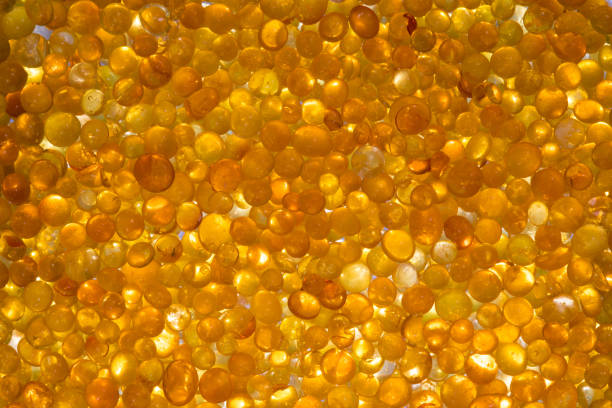
Most folks spot those little silica gel packets tossed in electronics boxes or inside their new handbag and think not much of it. The tiny beads seem harmless, usually paired with the warning “Do Not Eat.” Few pause to consider what happens after the packet’s job is done. Are the beads gentle on the earth when they go out with the trash? I spend a lot of time thinking about what gets left behind. As someone who tries to keep my environmental footprint small, the idea that a non-food item like silica gel could hang around for centuries sits badly. Silica gel isn’t some rare chemical concoction. It’s made from silicon dioxide — what makes up sand and quartz. Sometimes, because it sounds like a natural mineral, people believe it breaks down in the wild just like leaves or grass clippings. Real-world chemistry begs to differ. Silica gel is tough, rigid, and doesn’t compost—even after spending years in soil. If compost piles were cities, silica gel would be the old timer who sits and watches things happen without joining in. Bacteria and fungi ignore it; worms crawl past. Stories circulate online about whether silica gel is classified as hazardous. FDA and EPA both consider it non-toxic. It’s inert, doesn’t break down under rain or sunlight, and doesn’t leach chemicals. Those facts matter. You don’t have to call in a hazmat crew if you drop a packet. Still, just because it won’t poison your pets or leach into your tomato patch doesn’t make it good for the planet to toss millions of packets into the landfill each week. The packets themselves use single-use plastic. There’s nothing hazardous in an immediate way, but it adds to the great mound of plastics and synthetics that build up in every city’s dump. The beads don’t degrade, they add bulk, and as the packaging sits around, microplastics are another worry. My own compost pile is picky—I don’t toss silica gel into it for a reason. Tests on municipal compost operations show that silica gel can appear fully intact after months of microbial activity. It just won’t break down. Eco-friendly isn’t a yes-or-no label. If we’re blunt, silica gel falls short on two big counts: it ignores the call to biodegrade, and it often wears disposable plastic like a coat. Once I started checking, I noticed how many places it pops up: vitamin jars, bags of beef jerky, tool boxes, and even some medicine bottles. A quick Google search brings up dozens of companies that churn them out for almost every industry. Makers say it keeps goods dry and sturdy. Dryness matters, but many companies opt for silica gel out of habit, not from weighing the cleanest option. Solutions exist that swap out single-use for better routes. I keep packets from shoe boxes and electronics, letting them air-dry, and toss a few in with old photos or camping gear. Reusing, not refusing, makes a dent—at least the beads do more than a single ride to the dump. It’s not perfect, but it’s a step closer to responsible use. Still, not everyone lives life on ‘reduce, reuse, recycle’ terms. Some won’t bother drying packets out; others won’t fish them out of the trash. The challenge goes beyond the silica gel itself: most municipal waste systems can’t recycle the beads or the plastic wraps. That leaves us stuck between overstuffed landfills and wishful thinking.Not all is bleak. For manufacturers and bulk buyers, alternatives keep improving. Clay desiccants and plant-based absorbents show up more often in eco-focused products. These can break down after use, leaving no trace or microplastics behind. Silica gel just doesn’t hold up in this department. Many companies claim the beads can be “disposed of in regular waste,” and that’s legally solid in most regions, but it gives everyday users no real reason to seek something better. If the packaging industry took this more seriously, small switches—like compostable wraps around the beads—would pile up less plastic over a decade. Small changes magnify when millions of units are at stake. Waste issues tie every household and industry together. Turning away from mindlessly tossing silica gel means more than swapping landfill for recycling. Bulk buyers in electronics or food storage can agree to phase in alternatives or run packet returns and reuse schemes. Picture this: retail giants offering drop boxes for used silica gel—easy to return for cleaning and redistribution. Even advertising campaigns showing how to dry and repurpose the packets would help change habits. Change on a small scale builds into culture over time, and more people start seeing waste as a resource. On my own shelf, I keep a jar of used silica packets. Some dry out homemade jerky, others sit with camera gear. Small reuse makes their impact stretch beyond single-use throwaway. If policymakers set clear guidelines, manufacturers would feel the push to shift toward compostable or fully recyclable packaging. I remember when takeout chains started swapping plastic straws for paper ones. Small moves, but multiplied, matter for landfill numbers. Environmental education about what can or can’t compost helps shape smarter waste streams—keeping silica gel out of the brown bin and putting thought back in. Until real plant-based or clay alternatives go mainstream, using less and reusing more helps chip away at the problem. Tossing packets into the household trash might not poison soil, but it still clutters a planet already weighed down by single-use design. Our habits—individually and as a society—tip the scale on what future waste looks like.
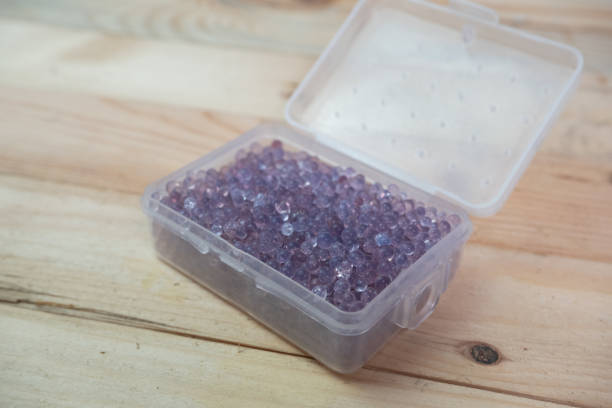
That tiny packet tucked inside a shoebox or a bag of beef jerky doesn’t draw much attention. It’s easy to toss aside or forget about. Yet, silica gel pops up almost everywhere: protecting electronics, keeping packaged snacks fresh, popping up in vitamin bottles, and scattered across retail shelves in small paper pouches labeled “Do Not Eat.” Most people give silica gel the cold shoulder once the unboxing thrill wears off. But it deserves a closer look, especially since questions about its safety and environmental impact are on more minds every year.Silica gel comes from silicon dioxide, which shows up in sand and quartz. The stuff inside the packet is porous and hard, basically beads that trap moisture. Industries love silica gel because it soaks up water vapor, protecting products from mold, rot, and spoilage. Eating it doesn’t usually cause lasting harm for most mammals, but that doesn’t mean it’s meant for snacks — the real problem is figuring out where these packets end up after doing their job.Lots of folks see the “Do Not Eat” warning and get nervous about hazardous chemicals. Turns out, regular silica gel is chemically inert, without poisons or dangerous fumes. It won’t break down into harmful byproducts in a landfill. That doesn’t mean it’s completely free of worry, though. Some versions come with cobalt chloride, a moisture indicator that changes color. That’s the blue-to-pink type. Cobalt chloride raises red flags: it’s labeled as toxic and classified as a possible carcinogen in some places. If you spot blue beads mixed into silica gel, keep them out of reach from pets, kids, and always treat them as hazardous.Silica gel beads last for centuries and don’t break down in regular landfill conditions. They do not pollute water the same way as plastics or heavy metals, but they stick around — there’s no biodegradation happening with these things. If every household throws out two or three packets a month, that adds up. Multiplied across cities and manufacturing chains, it’s easy to see how the stuff crowds landfill space.Choosing the right bin is trickier than it seems. Most curbside recycling doesn’t accept silica gel packets. The packets are tiny and the paper packaging usually has a plastic lining, which fouls up recycling machinery. They end up in regular trash. That’s not an ideal solution, but with current technology, it’s the only consistent answer most waste systems offer. Compost bins are out of the question, since nothing in the packet will ever break down into soil or nourish plants. Specialty recycling facilities might take silica gel in bulk from businesses, but that’s not an option for the average household.Instead of tossing old packets, new uses might save a trip to the bin. The beads keep toolboxes rust-free and prevent mold in gym bags. Stack them with out-of-season shoes, documents, or photographs and they’ll keep moisture away just as well at home as in a warehouse. Fishers drop them in tackle boxes to save lures from rust, and camera collectors add a packet to gear bags. Every re-use takes a little pressure off landfill sites. Just remember, don’t let packets around small children or pets — they’re still a choking hazard.Manufacturers could shift toward packaging made from truly biodegradable materials so that finished packets are safe for composting or at least reduce their environmental footprint. Some companies already make desiccant packs out of clay or starch-based ingredients, which do the same job with less worry about long-term waste. Shopping choices send a message, too. Fewer individually packaged items would reduce silica gel use. Advocacy for less plastic and more sustainable packaging forces big brands to rethink these “single-use, single-job” products.Ignoring those little packets just adds to the pile in the landfill. Making a habit out of creative reuse, separating them from plastics and food waste, and keeping tabs on what’s in the packet (especially look for the warning if there’s blue granules inside) adds up. Big environmental solutions need large-scale changes, but the choices at home help, too. If more folks push for clarity on disposal, companies and local authorities will catch up. There’s nothing glamorous about silica gel, but change comes from simple daily actions, one packet at a time.
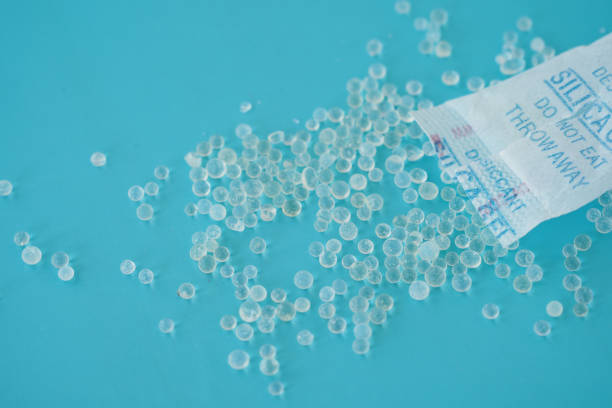
It’s surprising how many people trust that a bag of rice can rescue a soaked phone or keep a toolbox dry. Tossing electronics in uncooked rice has become a household tip, often passed down with the same certainty as grandma’s chicken soup recipe. I’ve heard family, friends, and even tech forums swear by it. The logic seems rock solid—rice absorbs water during cooking, so it must pull in moisture from the air too. But when electronics get wet, time isn’t always on your side, and sometimes putting hope in the wrong method makes a big difference. Most of us don’t pay much attention to the tiny packets stashed in shoeboxes or electronics packaging. They usually get tossed in the trash without a second thought. But those packs of silica gel beads actually punch far above their weight. Silica gel is a powerhouse at trapping moisture, used not only in homes but also across industries—think pharmaceuticals, museums, even military gear. Every year, companies rely on silica gel to keep products safe from humidity. And there’s plenty of evidence that silica gel can hold up to 40% of its own weight in water. I’ve seen packs pulled from a damp safe after years on the shelf, still performing as intended. Rice pulls in moisture, but only so much and not that fast. Its structure isn’t built for speed or efficiency in drying out precious electronics. Lab tests and field experiments show that rice soaks up some water from the air, but nowhere near what silica gel beads do. Rice does help, especially for storing dry grains in humid regions, but using it to dry phones or keep sneakers fresh means trusting a method that falls short. Every minute counts after a phone takes a swim, and rice just doesn’t move at the pace the situation demands. Most of the water stays trapped inside the device, risking corrosion or permanent shutdown.Devices dropped in water can recover if they’re dried out fast. I once fished a tablet out of a pool and experimented myself: half got buried in rice, half in silica gel packs from old shoe boxes. After two days, the silica gel half worked almost perfectly; the rice attempt, not so much. Researchers at electronics repair brands have run similar side-by-side tests. Silica gel always wins. It’s designed for a specific purpose, one that rice just can’t replicate even on its best day. If you care about the health of your phone or camera, having extra silica gel on hand works better than late-night scrambling for the rice jar.Both rice and silica gel seem cheap and easy to find, but only one is meant for repeat use. Rice can get moldy if it soaks up enough moisture, sometimes creating a new headache with musty smells or unwanted growth. Silica gel lasts longer and doesn’t attract pests. Plus, you can actually recharge silica gel by baking it, so it dries things out again and again. Some companies have started putting out reusable silica gel canisters for home use. They aren’t expensive, and knowing you have them on hand turns a panic moment into something manageable. Anyone with allergies or concerns about food safety also avoids the risk of rice dust getting inside electronics or leaving starch residue behind.Set aside a handful of silica gel packets from deliveries—they’re small enough to stash in camera bags, tool boxes, or even tackle boxes. For special occasions, like a camping trip with a camera or a day on the lake with a phone, bring a sealed bag with a few packets. I’ve gotten into the habit of keeping them anywhere accidental water exposure could lead to damage. Building this habit saves both money and stress over time, especially with how much we rely on expensive electronics every day. Rice helps at a pinch for storing grains and beans, and it can pull some moisture out if nothing else is handy, but it shouldn’t be the main plan for emergencies.It’s tempting to reach for the easiest solution in a crisis, and old home remedies don’t fade without a fight. But as we protect more tech in our daily routines, proven tools make more sense. Fact-checking advice before trust pays off in less stress and more working gadgets. Companies now print “do not eat” warnings on silica gel packs, but maybe they should also say, “Don’t throw away—your phone’s best friend.” Real experience and data both point in one direction: silica gel beats out rice every time. As people learn and share what actually works, those little packets might finally get the credit they deserve.
Most people remember at least one moment where their phone took an unexpected dive—maybe the bathroom sink, a puddle near the sidewalk, or the inside of a washing machine that shouldn’t have been running. The sinking feeling comes fast. Phones don’t like water. Until someone invents models that laugh at a splash, it’s clear that even “water-resistant” phones face risk. Just because a commercial shows someone happily dunking their device in a pool doesn’t mean real-life smartphones hold up in practice. From my experience, it feels urgent to act quickly, but decisions made in the first minutes make all the difference between a little scare and a phone graveyard.A phone won’t wait for you to research the most thorough drying protocol. The instant water touches the inside, the clock starts ticking. Pull the device out as soon as possible—speed matters. If the phone is on, turn it off immediately. Electricity and water can kill tiny components in seconds. Never try to test or charge the phone while it feels even slightly damp. Remove the case, SIM card, SD card if you have one, and gently blot away as much obvious moisture as possible using paper towels, cloth, a T-shirt, whatever’s nearby. Don’t start shaking or tapping the phone to get water out, either. That spreads droplets deeper. Experience has shown me that patience and steady hands reduce the urge to panic, which keeps things from getting worse.A lot of people overlook those little silica gel packets tucked in boxes of shoes, electronics, or vitamins. Their labels scream “Do Not Eat”, but nobody says “Use these to save your phone!” which feels like a missed opportunity in packaging design. Silica gel works by pulling in moisture from around it. Researchers have shown silica can help draw out water from crevices and under chips inside small electronics. If you keep silica gel packets around, grab as many as you can find and pour them into a sealable bag or container. Bury the phone surrounded on all sides, seal the bag, and leave it for at least a day. The more packets, the better—just a handful won’t be enough for a big phone, so dump in the whole stash if you have it. If you want an extra edge, some people “recharge” their silica packets ahead of time with gentle baking, restoring their drying power. Having a few on hand in a drawer at home can feel almost as useful as having an extra phone charger.Not everybody has silica at the ready. That’s real life. The next best thing is finding another dry, desiccant material. Rice comes up a lot online, and it does absorb some moisture, but not nearly as quickly as silica. Uncooked instant rice works a bit better than standard long grain because it’s more porous, but it still won’t match silica. Rice can get inside ports and cracks, causing new headaches, and the FDA points out that food particles and starch can attract more problems. Oats, cat litter, and even some brands of kitty litter made with silica crystals can help, provided they don’t shed dust that clogs ports even more. The process means sealing the phone deep inside a bowl or bag with your chosen drying agent and waiting at least 24 hours. The odds go up with time, but electronics show no mercy to shortcuts. If you need your device soon, options thin out fast.Some folks recommend using a hair dryer, microwave, or plain old oven in desperation. Over the years, advice forums fill with stories about new problems created by too much heat. Heat can warp screens, melt glue, or leave internal components looking like abstract art. Heating methods might speed up evaporation, but they bring a massive risk of permanent damage. Shoving a phone inside a bag of rice and hoping for the best still beats risking a meltdown. Somewhere along the line, many have learned the hard way: repairing warped screens or damaged solder costs more than replacing a phone. Avoid blowing air into ports or headphone jacks, too. That only shoves water further inside, driving it deeper into unreachable spaces.For those prone to accidents, prevention beats every cure. Waterproof cases make a real difference. Brands tested by consumer groups with real-world drops into water save many phones each year. Airtight zippers and hard shells stand up to soaking far better than basic rubber sleeves. Regular backups take some of the worry out of the equation, since nothing stings quite like losing all your photos, notes, and contacts in one careless moment. Consider insurance or extended warranties if you find yourself dropping phones regularly or work in wet environments. A small investment up front looks trivial next to the costs and hassle of emergency repairs or replacements.Phones aren’t getting cheaper. Prices go up, upgrades get delayed, and repair costs keep climbing. Few people keep spare devices in a drawer anymore. Cell phones keep us in touch with loved ones and provide access to banking, work, and two-factor authentication. Losing a phone means more than just inconvenience. Slowing down and using proven methods, whether that’s stashing silica gel or investing in a tough case, saves cash and headaches. The internet’s loaded with advice, but science continues to back up the basics: get the phone off, pull out cards, dry what you can see, and try silica gel before falling for myths. No panic, no hair dryer, just the basics. That’s how more people save their tech and their wallet in an age where phones run so much of daily life.
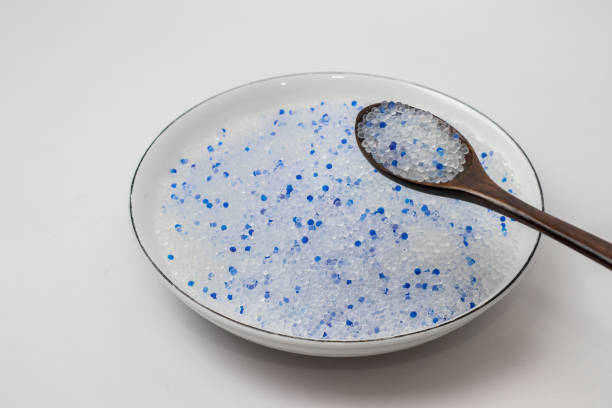
People have preserved flowers for centuries, finding beauty and even comfort in the dried remains of special blooms. Not everyone has silica gel sitting around, and some just want to keep things simple, using what’s already at hand. I’ve dried my share of flowers on a shoestring, never once pulling a fancy bag from the craft aisle, and those petals still hold color and shape on my shelf to this day. Air drying isn’t just old-fashioned; it’s reliable and helps keep memories alive without the need for complicated tools or chemicals. I remember picking wildflowers on a sunny walk and hanging them upside down in a closet corner, checking on them every few days, marveling at how they slowly faded yet stayed graceful long after their season ended. There’s satisfaction in watching something from your own garden transform in its own quiet way. Hang drying flowers has stood the test of time. Find a dark, warm spot away from direct sunlight and good air flow. I’ve tied small bunches with string, making sure not to pack them too tight, as that can lead to mold and sad, floppy petals. Darkness matters more than people think—sunlight turns violets and roses a lifeless brown. An attic or closet with the door slightly open does the trick. Most of my experiments turned out best when I trusted patience over hurry. Three weeks goes by before you know it, and the result means no strange smells or chemical residue. Keep the temperature steady and the humidity low; in rainy weather, a small fan pointed at the hanging flowers helps move things along, especially in an old house without air conditioning. This method keeps the details of roses, lavender, and baby’s breath pretty sharp, which lets their character shine in bouquets and keepsakes.Old books and scrap paper have a magic of their own, at least in my house. Pressing flowers means you flatten out the blooms, saving them for cards or frames. Lay a clean sheet of paper inside a heavy book, arrange petals so they don’t touch, then slip them between the pages. Stack extra books or hand weights on top and wait for two to four weeks. I pressed pansies and bits of fern that way all through grade school, often forgetting about them until much later, surprised by their preserved color and papery feel. Colored tissue paper or parchment helps avoid ink transfer. This practice suits sentimental notes, personalized bookmarks, or even collage artwork. Simple, quiet, and requiring nothing expensive—just patience and a willingness to flip through your library hunting for paper-thin treasures.Microwaves and ovens can hurry things up, but I’ve found these routes wash out the color of some petals if you aren’t careful. For the oven, place flowers on a baking rack lined with parchment, set it on the lowest possible heat, and leave the door open a crack to manage moisture. Check every twenty minutes; thinner flowers, like daisies or small roses, usually dry out in a day. The microwave leans toward experimentation—placing flowers between two ceramic plates with paper towels to absorb moisture, heating in short bursts of thirty seconds, checking for crispness after each interval. Some flowers turn out nearly perfect, others end up browned or brittle, but the process appeals to those who don’t like to wait longer than an afternoon.Rice and cornmeal offer an affordable alternative to silica gel. I remember my grandmother covering roses and marigolds in a shoebox full of uncooked rice, each bloom carefully nestled so petals wouldn’t break. The grains pull out moisture without sucking the life from every hue. Spoon grains over every surface, then tuck the container in a dry cabinet and check back in a week or two. Cornmeal works the same way, just softer and less clingy. After experimenting, I found colors often stay livelier, so long as you use gentle hands to remove the dried material. It’s a home remedy for those who want to avoid commercial chemicals but still crave bright petals on special days.Moisture acts like the villain in any flower-drying tale. If summer humidity creeps up, mold and rot settle in, ruining days of effort. Experience taught me to keep bouquets thin and spaced out, never crowding them no matter how tempting it seemed to save time. Dust, too, loves dried blooms; gentle feather brushing or a steady blow from a can of air keeps petals crisp and glamor-free. Stems can always be shortened after drying, as keeping them longer during the process tends to preserve the flower’s shape. Fleshy flowers, like lilies or peonies, fare better split in half or dried in smaller sections, since thick petals trap water and attract decay. Every household probably has stories of sunflowers or hydrangeas trying to wilt before they finished drying; giving each bloom its own space and time makes the difference between decay and an enduring memory in a vase.Home preservation matters because it connects people to life’s fleeting moments—wedding bouquets, garden blooms, the wildflowers picked by a child’s hand. You don’t need designer packets or expensive gear to hold onto those feelings. Whether for art, gifts, remembrance, or just a bit of beauty through winter, drying flowers without silica gel stands as a reminder that nature rarely asks much of us to give back its beauty. My shelves fill with the memory of seasons past, preserved with patience, a bit of knowledge, and ordinary objects found in kitchen drawers or family bookshelves. The ease and accessibility open the door to anyone wanting to save a piece of their own story—no instruction manual or special order required.


